WNBA Enters New Era as Cathy Engelbert Prepares to Leave
Cathy Engelbert is set to retire as WNBA Commissioner, leaving a complex legacy marked by significant league growth, including expanded teams, increased valuations, and pivotal CBA agreements. Despite these successes, her tenure was frequently criticized for strained player relationships and a reactionary approach to key issues. The search for her successor will prioritize repairing player trust and proactively addressing the league's evolving challenges.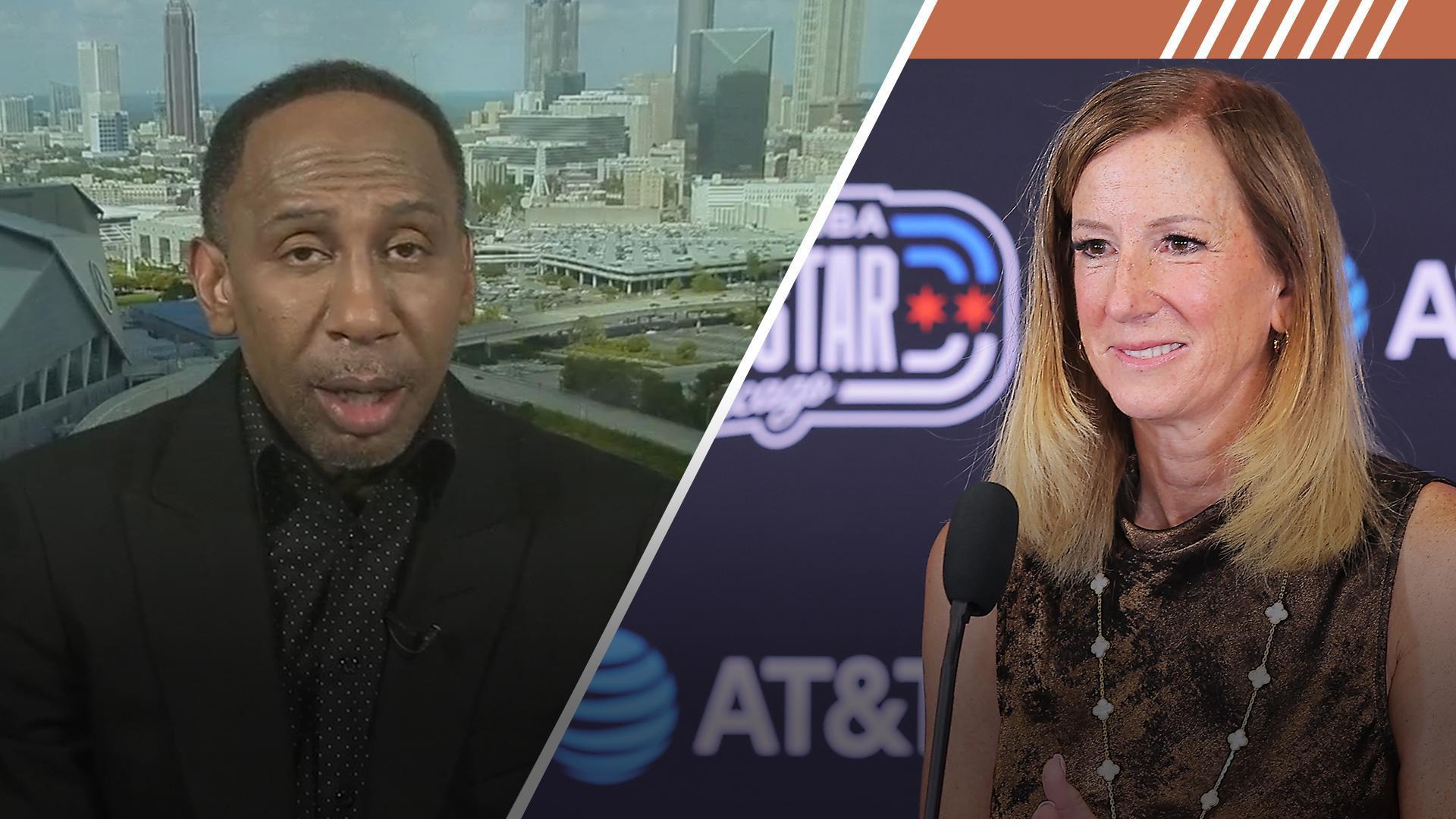
The WNBA is preparing for a leadership change after commissioner Cathy Engelbert announced she will retire at the end of 2026.
Engelbert took over in 2019, when the league was much smaller and had far less commercial attention. Seven years later, the WNBA has major media deals, charter flights, higher salaries and expansion plans that will take it to 18 teams by 2030.
Her tenure included some of the biggest changes in league history, but it was not without friction.
A different WNBA
Engelbert arrived from Deloitte with a business background and quickly focused on making the league financially stronger.
She helped oversee the 2020 season during the COVID-19 pandemic, when teams played inside the Florida “Wubble.” The league later introduced charter travel and negotiated new collective bargaining agreements that dramatically increased player compensation.
Franchise values also soared. Teams that were worth tens of millions of dollars when Engelbert arrived are now valued in the hundreds of millions.
The league's expansion plans are another sign of that shift. Cleveland, Detroit and Philadelphia are among the markets joining the WNBA as it moves towards 18 teams.
Players were not always convinced
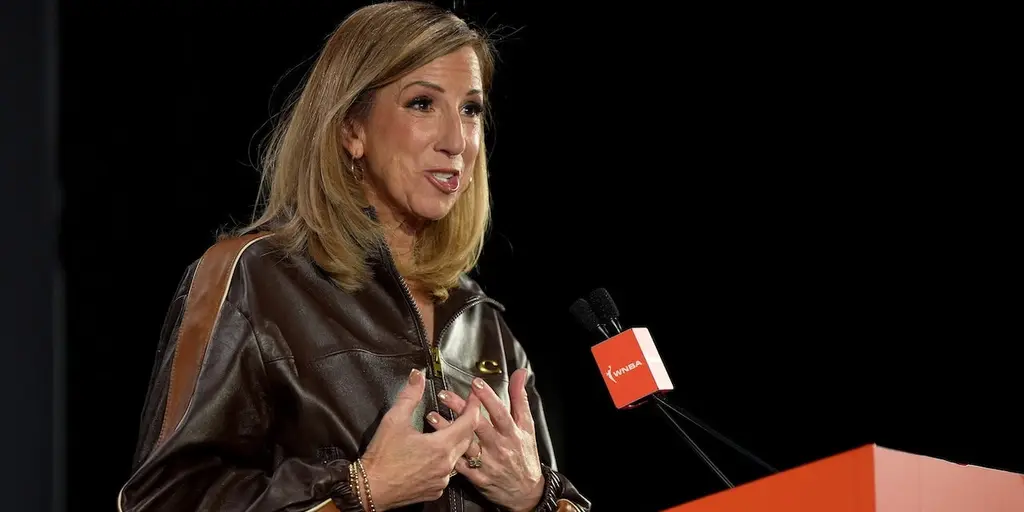
Engelbert's biggest challenge was not financial.
Her relationship with players became increasingly strained, particularly over player safety, online abuse and how the league responded to controversies involving its biggest stars.
Her 2024 comments about the Caitlin Clark-Angel Reese rivalry being “good for the league” drew criticism from players who felt the abuse surrounding the rivalry needed a stronger response.
The 2026 CBA negotiations created another major confrontation as players pushed for a greater share of the league's growing revenues.
So while Engelbert leaves with clear business achievements, she also leaves a complicated relationship with some of the athletes who helped drive the WNBA's popularity.
Why Nigeria should be watching
One of those athletes is Nneka Ogwumike.
The Nigerian-American star is retiring after the 2026 season following a 15-year WNBA career. She is a former MVP, champion and 11-time All-Star who has also served as president of the WNBPA for years.
That leadership experience makes Ogwumike an important voice as the league searches for Engelbert's successor.
There is no indication that she will become commissioner. But she understands the league from the players' side and has been involved in negotiations over pay, benefits and working conditions.
Her Nigerian heritage also gives her a connection to a growing African basketball audience.
What comes next
The next commissioner will inherit a league that no longer needs to prove women's basketball can attract serious money.
The bigger challenge will be managing the pressure that comes with that success.

Player relations, officiating, safety, revenue sharing and international growth will all demand attention. The commissioner will also have to keep investors and fans interested while maintaining credibility with the athletes.
For Nigeria and the wider African basketball community, the leadership change is worth following.
Engelbert leaves behind a WNBA that is far more powerful than the one she joined. The next leader now has to decide how that power is used.