Why Your Power Goes Out Every Time It Rains in Nigeria
Find out why your electricity goes out every time it rains in Nigeria, what causes it, and what genuinely needs to change to fix the problem long-term.
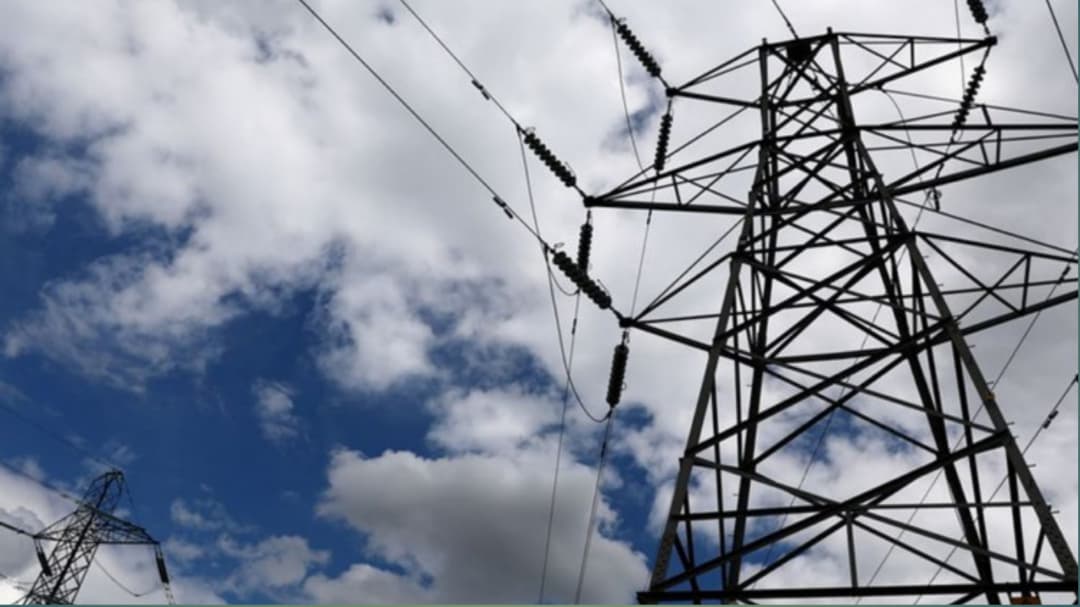
If you live in Nigeria, you already know the usual pattern that feels almost scripted, the moment clouds gather and the first drops fall, electricity disappears and we are left in darkness.
It feels almost personal, at times even rage baiting, but there are real, mostly logical reasons this keeps happening.
Safety Comes First
Water and electricity are a notoriously dangerous pair. When rainwater mixes with dust and pollutants on exposed wires or transformers, the risk of short circuits spikes immediately.
Cutting power before a storm escalates is often a deliberate call by distribution companies to prevent something far more catastrophic than an inconvenience.
The Infrastructure Wasn't Built for This
Much of Nigeria's power grid is decades old and was never designed to handle extreme weather. Ageing equipment and exposed cables mean even moderate rainfall can trigger significant failures across the network.
Nigeria's electricity generation has been declining steadily, with average daily supply hovering around 4,000 megawatts, barely enough for a single large city, and the distribution side of the system is equally fragile.
Lightning Is a Real Threat
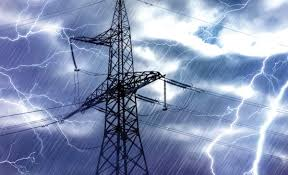
A single lightning strike near a substation can send a surge through the entire local grid, destroying expensive transformers that take weeks or months to replace.
Shutting down sections of the network ahead of a storm is cheaper than replacing fried equipment.
Flooding Puts Underground Systems at Risk
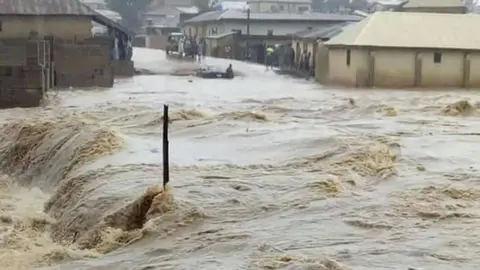
In flood-prone areas, water seeping into cable channels and power stations creates serious electrocution hazards. Taking power offline until floodwaters recede is often the only safe option.
With Nigeria's hydrological agency warning that over 14,000 communities across 33 states face high flood risk in 2026, this problem is only expected to get worse.
Falling Trees Take Lines With Them
Strong winds accompany most heavy rainstorms, and when trees topple onto power lines, the result is an immediate outage, sometimes before anyone even notices the line is down.
Some of It Is Automated

Modern grid components have fault-detection sensors that automatically trip the system when they register unusual electrical activity caused by rain or wind.
This isn't a human decision, it's the grid protecting itself.
So Why Does Nigeria Lose Power When Other Countries Don't?
Many countries experience heavier rainfall than Nigeria and still maintain stable electricity.
The real difference is infrastructure design.
In the UK, US, and much of Europe, power cables are largely buried underground and properly insulated, making weather conditions largely irrelevant to daily supply.
In Nigeria, most cables hang on poles in the open air, running close to trees and buildings, with minimal protection from the elements.
Until significant investment goes into modernising and burying the grid, rain will continue to trigger outages, some necessary, some avoidable.
What Actually Needs to Change
Explaining the problem is one thing, fixing it is another.
The most meaningful long-term solution is underground cabling. Burying power lines shields them from rain, wind, falling trees, and accidental contact which are the exact triggers that cause most weather-related outages.
It is expensive upfront but significantly reduces maintenance costs and outages over time. It is also how most developed nations have structured their grids.
Beyond that, Nigeria needs serious investment in transformer upgrades, better surge protection at substations, and smarter fault-detection systems that can isolate a problem area without blacking out an entire neighbourhood.
There also needs to be accountability from the Distribution Companies (DisCos) responsible for last-mile delivery of electricity to homes and businesses. Many outages that get blamed on the rain are actually the result of pre-existing faults that the rain simply exposes.
The rain is not the enemy, neglected infrastructure is.
Until that changes, Nigerians will keep reaching for their torches the moment the clouds roll in.