Why Russia and the United States Still Control 90% of the World’s Nuclear Weapons
Russia and the U.S. control most of the world’s nuclear weapons in 2026, holding nearly 90% of all warheads. Discover how this power could shape global security and influence other nuclear nations.
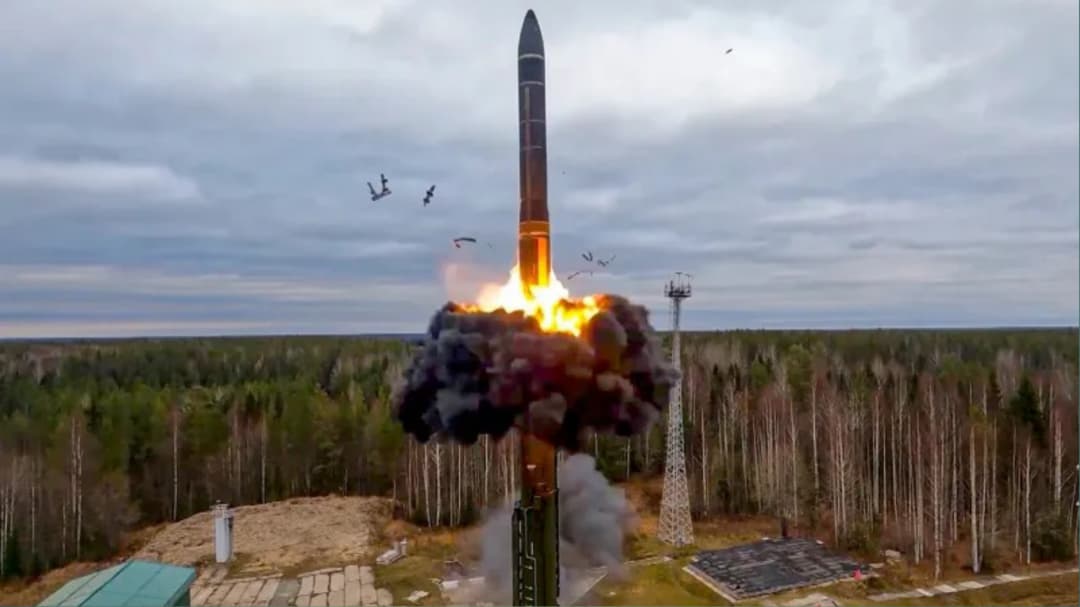
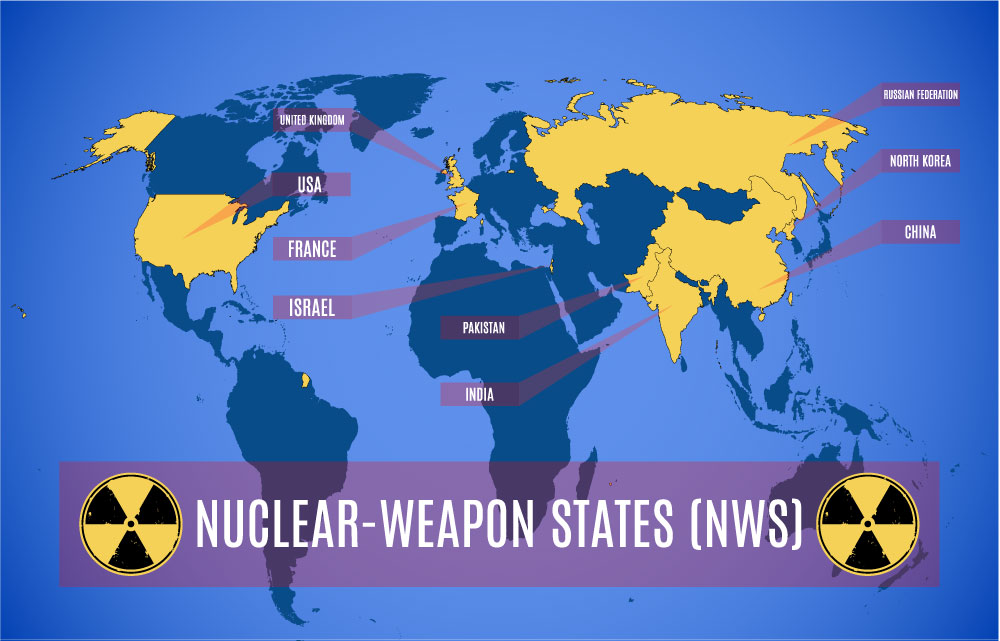
As of 2026, nine countries possess nuclear weapons.
Yet despite the existence of multiple nuclear-armed states, the global nuclear balance remains concentrated in just two countries: Russia and the United States.
Together, they control roughly 85%–90% of the world’s estimated 12,000 nuclear warheads.
This concentration of destructive power is the result of history, specifically, the Cold War.
A Legacy of the Cold War
The dominance of Russia and the United States in nuclear weapons dates back to the arms race that followed World War II.
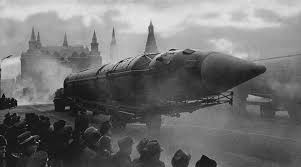
Source: Google
The United States developed and used the first atomic bombs in 1945.
The Soviet Union, the predecessor to modern Russia, tested its first nuclear weapon in 1949. What followed was a decades-long competition to build larger and more advanced arsenals.
By the mid-1980s, the two superpowers collectively possessed more than 60,000 nuclear warheads. Each side built thousands of weapons to ensure that if one were attacked, it could retaliate with overwhelming force.
This doctrine, often called mutually assured destruction (MAD) was meant to deter nuclear war by making it catastrophic for both sides.
When the Cold War ended in 1991, both countries began reducing their stockpiles through arms control agreements. However, even after decades of reductions, their arsenals remain far larger than those of any other country.
Current Nuclear Stockpiles in 2026
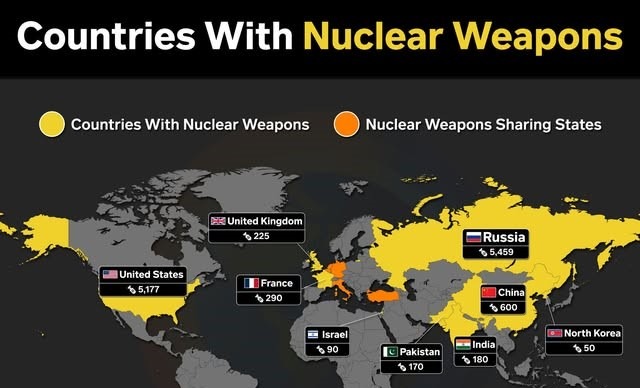
Source: Geoallday
Russia possesses roughly 5,400–5,500 nuclear warheads.
The United States maintains approximately 5,100–5,200 warheads.
These totals include deployed warheads (ready for use), reserve warheads, and retired weapons awaiting dismantlement. Both countries maintain what is known as a nuclear triad, three methods of delivering nuclear weapons:
Land-based intercontinental ballistic missiles (ICBMs)
Submarine-launched ballistic missiles (SLBMs)
Strategic bombers
This structure ensures survivability: even if one leg of the triad were destroyed, the others could respond.
The seven other countries which also possess nuclear weapons are:
China
France
United Kingdom
India
Pakistan
Israel
North Korea
China has the third-largest arsenal, estimated at over 600 warheads, and is expanding its forces more rapidly than any other country. France and the United Kingdom maintain smaller, submarine-based deterrents. India and Pakistan have developed arsenals largely shaped by their regional rivalry.
Israel maintains a long-standing policy of nuclear ambiguity, neither confirming nor denying its arsenal. North Korea possesses the smallest stockpile but continues to develop missile capabilities.
Even combined, however, these seven countries hold far fewer warheads than either Russia or the United States alone.
The Role of Arms Control
For decades, arms control agreements limited the number of deployed nuclear weapons held by Russia and the United States. Treaties such as START and New START placed caps on strategic warheads and required inspections.
However, New START, the last major bilateral treaty limiting U.S. and Russian deployed strategic forces, expired in February 2026 without a replacement agreement. Without legally binding limits, both countries technically have the ability to expand their arsenals, though doing so would be costly and politically significant.
At the same time, both nations are modernizing their nuclear forces. Modernization does not necessarily mean increasing numbers, but it involves replacing aging missiles, submarines, bombers, and warheads with newer systems.
Impact of this Imbalance
The fact that nearly 90 percent of nuclear weapons are held by just two countries has major implications:
Global stability still depends heavily on U.S.–Russia relations.
Any deterioration in arms control increases uncertainty and risk.
Smaller nuclear powers may adjust their strategies in response to great-power competition.
Although nuclear weapons are intended as deterrents, their continued existence, especially thousands kept ready for launch carries the risk of miscalculation, technical failure, or escalation during crises.
Russia and the United States no longer possess tens of thousands of warheads. Still, with over 10,000 combined, they retain overwhelming nuclear dominance. That reality means that even in a changing global order, decisions made in Washington and Moscow continue to shape the future of nuclear security.