Why Gen Z’s Are Choosing Multiple Part-Time Jobs Over One Full-Time Career
Gen Z is moving away from traditional full-time jobs and embracing multiple part-time roles, reshaping career stability, flexibility, and the future of work.

For decades, career success has always followed a predictable path that ensured stability and security.
Millennials and the generations before them measured professional achievement by stability, staying in one company for years, climbing the corporate ladder, earning trust, and securing long-term benefits.
Being in the “good books” of any organisation they were in, mattered more than anything. Loyalty, consistency, and patience were seen as the foundation for growth.
Work was not always about passion or flexibility, it was solely about security.
A steady paycheck, healthcare benefits, and long-term career progression often took precedence over personal freedom or creative exploration.
The traditional full-time job became the gold standard, offering structure and predictability in an uncertain world.
But that definition of career success is shifting. A growing number of younger workers are moving away from the traditional full-time model, opting instead for multiple part-time roles, a trend now changing the outlook of the modern workforce.
This shift, often referred to as poly-employment, reflects not just economic pressures, but a generational rethink of what work should look like.
The Rise of Poly-Employment and the New Definition of Career Stability
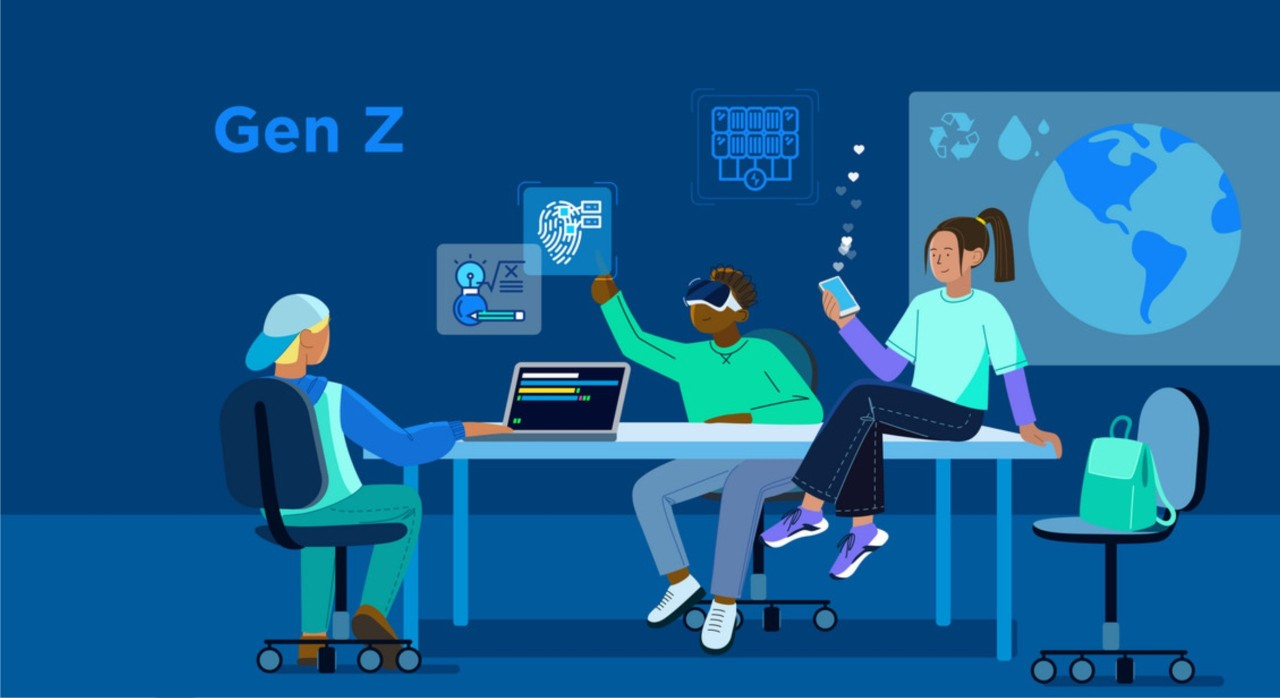
Poly-employment, or working multiple jobs simultaneously, has reached its highest level in over a decade.
Data drawn from millions of work shifts and hours shows that younger workers now make up more than half of those embracing this approach.
While some are driven by rising living costs and economic uncertainty, many are deliberately choosing multiple roles to gain flexibility and autonomy.
Unlike overemployment, where individuals juggle multiple full-time roles, poly-employment allows workers to combine part-time jobs across different industries or skill sets.
This arrangement offers a level of control that traditional employment often lacks. Instead of relying on a single employer, workers diversify their income streams, reducing dependence on one source of income.
Economic realities are also playing a role. Recent graduates face higher unemployment rates compared to the larger sector of the workforce, making it harder to secure traditional full-time roles.

This has pushed many young professionals toward alternative work structures, including freelancing, contract work, and multiple part-time positions.
Job-hopping has also become more common, with shorter employment cycles replacing long-term tenure.
Even when full-time opportunities are secured, retention challenges remain. Many young workers are leaving roles within months, either voluntarily or due to performance concerns.
This cycle reinforces the appeal of poly-employment, where flexibility replaces long-term commitment and independence replaces corporate loyalty.
This shift signals a fundamental change in how stability is defined. For previous generations, stability meant staying in one job.

For younger workers, stability increasingly means having multiple income streams and maintaining flexibility in a rapidly evolving job market.
Technology, Flexibility, and the Future of Work

Technology, particularly artificial intelligence, is playing a growing role in enabling poly-employment.
Digital tools allow workers to manage schedules, automate routine tasks, and balance multiple responsibilities more efficiently.
For those juggling several roles, these tools help create predictable schedules and improve productivity, making multi-job arrangements more sustainable.
However, technology is also creating uncertainty. The potential automation of entry-level roles is narrowing opportunities for new graduates, encouraging them to diversify income sources rather than depend on a single career path.
This has further accelerated the move toward poly-employment as a hedge against job insecurity.
At the same time, some workers view AI as a threat rather than an opportunity. Concerns over automation replacing part-time roles have created resistance to workplace AI adoption, particularly among younger professionals already navigating uncertain career landscapes.
This tension reflects a broader reality: technology is both enabling and reshaping the future of work simultaneously.
Despite these uncertainties, poly-employment is gaining momentum as workers seek autonomy, flexibility, and control.
The shift does not necessarily signal a weaker job market, but rather a workforce adapting to new economic and generational pressures.
The traditional full-time career is no longer the only path to professional success. For a new generation, success is defined not by staying in one place, but by building multiple opportunities, managing risks, and shaping careers on their own terms.