Why Does Africa Still Have No Permanent Seat on the UN Security Council?
Africa has 54 UN member states but not one permanent Security Council seat. After 80 years, why is the continent still locked out of permanent power?
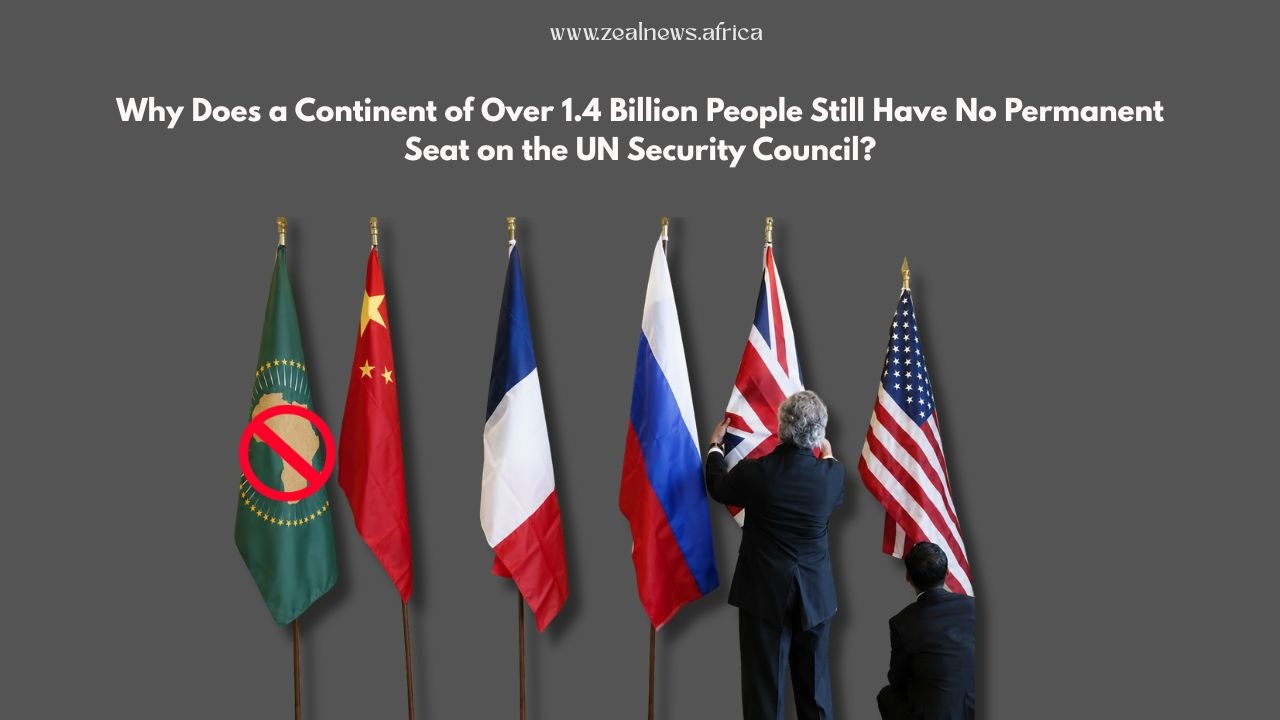
“Africa asks only for fairness. For a seat at the table, not a place on the menu.”
Kenyan President William Ruto's words capture one of the strangest contradictions in global politics: Africa has 54 UN member states, yet not one has a permanent seat on the United Nations Security Council.
The Council can impose sanctions, authorise peacekeeping operations and, in some circumstances, approve the use of force. Its decisions can shape wars, governments and millions of lives.
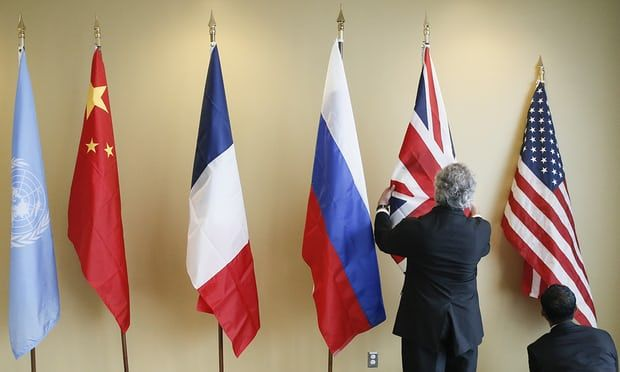
Yet its most powerful seats still belong to the same five countries whose positions emerged from the aftermath of the Second World War: China, France, Russia, the United Kingdom and the United States.
More than 80 years later, Africa is independent, geopolitically important and central to many of the security issues the Council handles.
So why is it still missing from the room where permanent power sits?
Why Is Africa Still Living With a Security System Designed in 1945?
The United Nations was created in 1945, when most of today's African states were still under colonial rule and had little independent influence over the design of the international system.
The five permanent Security Council members reflected the power structure that followed the Second World War. What made political sense then, however, has increasingly become difficult to defend now.
European empires disappeared. African states gained independence. The Soviet Union collapsed. China became an economic superpower, India became the world's most populous country, and countries such as Brazil, Germany and Japan grew into major economic and diplomatic actors.
The Security Council itself expanded from 11 to 15 members in 1965, but its five permanent seats never changed.
That leaves a global security institution operating with a permanent power structure inherited from a world that no longer exists.
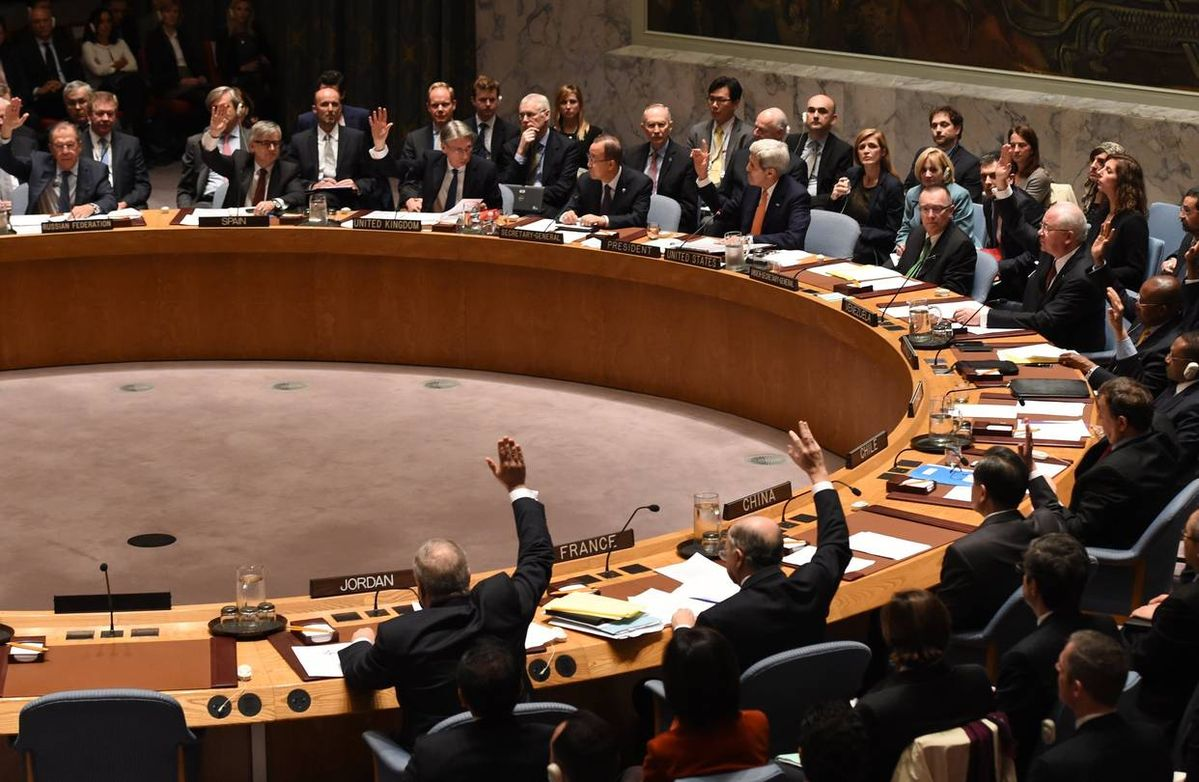
UN Secretary-General António Guterres has called Africa's absence from permanent membership a “historical injustice” and noted that a significant share of the Council's country-specific and regional agenda concerns Africa. The UN has itself acknowledged the imbalance.
This is what makes the debate larger than symbolism.
How can an institution claim global legitimacy when an entire continent remains excluded from its highest level of permanent power?
If Africa Already Has Seats, What Power Is It Actually Missing?
African countries do sit on the Security Council.
There are 15 members: five permanent members and ten countries elected for two-year terms. Africa is allocated three of those elected seats.
But presence is not the same as power.
An African country can negotiate, vote and influence discussions during its two-year term, then it leaves.
The permanent five never do.

More importantly, each permanent member possesses veto power over substantive Council decisions.
That is the distinction at the heart of Africa's campaign.
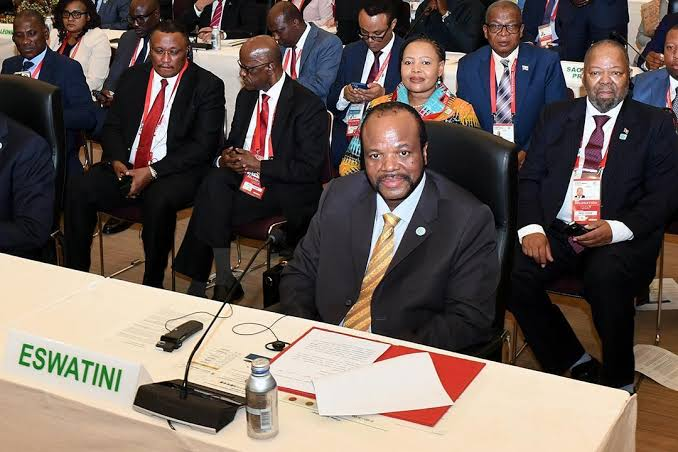
Under the African Union's long-standing Ezulwini Consensus, reinforced by its 2026 African Model for Security Council reform, Africa wants at least two permanent seats and five non-permanent seats in an expanded Council.
And there is a crucial condition: if the veto continues to exist, African permanent members should receive the same privilege. The African Union's reform position calls for equal permanent representation.
That position creates room for a debate.
The veto is already one of the Council's most criticised features. One country can prevent action even where overwhelming support exists among other members.
Would adding more vetoes make the Council fairer, or simply make paralysis worse?
There is a reasonable argument that the world should be reducing veto power rather than expanding it.
But Africa's response is difficult to dismiss: if the veto is fundamentally unfair, reform it for everyone.
What is much harder to justify is telling new permanent members that veto power is too problematic for them while allowing the existing five to retain it indefinitely.
Otherwise, the UN would effectively create two classes of permanent membership: those with real power and those without it.
There is another difficult question Africa itself will eventually have to answer.
Who gets the seats?
Nigeria can point to its population, regional influence and peacekeeping history. South Africa has substantial diplomatic and economic weight, while Egypt brings strategic, military and geopolitical influence.
But Africa is not one political constituency.
Nigeria cannot automatically speak for Morocco, South Africa cannot automatically speak for Kenya, and Egypt cannot automatically speak for Ghana.
The African Union says the continent should determine its own representatives, but permanent African representation must not simply become permanent privilege for two African states.
That debate deserves to happen.
It should not, however, be used as an excuse for maintaining Africa's exclusion indefinitely.
If Everyone Agrees Africa Is Underrepresented, Who Is Actually Stopping Reform?
This is where the debate becomes less about fairness and more about power.
There is broad international agreement that the Security Council should become more representative. There is far less agreement over who should receive new seats, whether those seats should be permanent, whether new members should get vetoes and how large the Council should become.
India, Brazil, Germany and Japan also support permanent membership. Other countries oppose expanding permanent seats altogether and prefer additional elected positions.
Everyone can support “reform” while meaning something completely different by it.
But there is an even bigger obstacle.
Changing the permanent membership requires amending the UN Charter.
Under Article 108, an amendment must secure support from two-thirds of the General Assembly and then be ratified by two-thirds of UN member states.
Critically, all five existing permanent members must be among the countries that ratify the change. Article 108 effectively gives the existing permanent powers a decisive role in Charter reform.
That creates the paradox at the centre of the debate.
The countries that benefit most from the existing structure also possess enormous influence over whether that structure changes.
This does not mean the permanent five are individually responsible for every failed reform attempt. There are genuine disagreements across the wider UN membership about what a new Council should look like.
But it does expose something important about international politics: institutions built around power rarely redistribute that power simply because the alternative would be fairer.
That is why the most revealing question may be a hypothetical one.
If the United Nations were being created from scratch in 2026, would almost 200 countries independently decide that China, France, Russia, Britain and the United States should be the only nations permanently guaranteed seats and vetoes?
Probably not.
India would demand consideration. Latin America would ask why it had no permanent representative. Africa's absence would be impossible to ignore.
And some countries might question why permanent national seats should exist at all.
That is why Africa's campaign is bigger than two chairs.
It forces the UN to confront whether its most powerful institution reflects the world as it exists today or the balance of power that existed when much of Africa was still colonised.
Africa does not need permanent representation because somebody should do the continent a favour.
It needs it because a global institution cannot indefinitely make decisions affecting an entire continent while excluding that continent from its highest category of power.
And if the international community believes the veto itself is outdated, then reform that too.
But maintaining the present arrangement simply because changing it is difficult is becoming harder to defend.
So if the world already accepts that Africa's exclusion is an injustice, at what point does refusing to correct it become a deliberate choice?