Why Do So Many African Countries Have the Same Flag Colours?
Why do so many African countries use green, yellow and red on their flags? Here’s how the colours became linked to African independence and Pan-African identity.
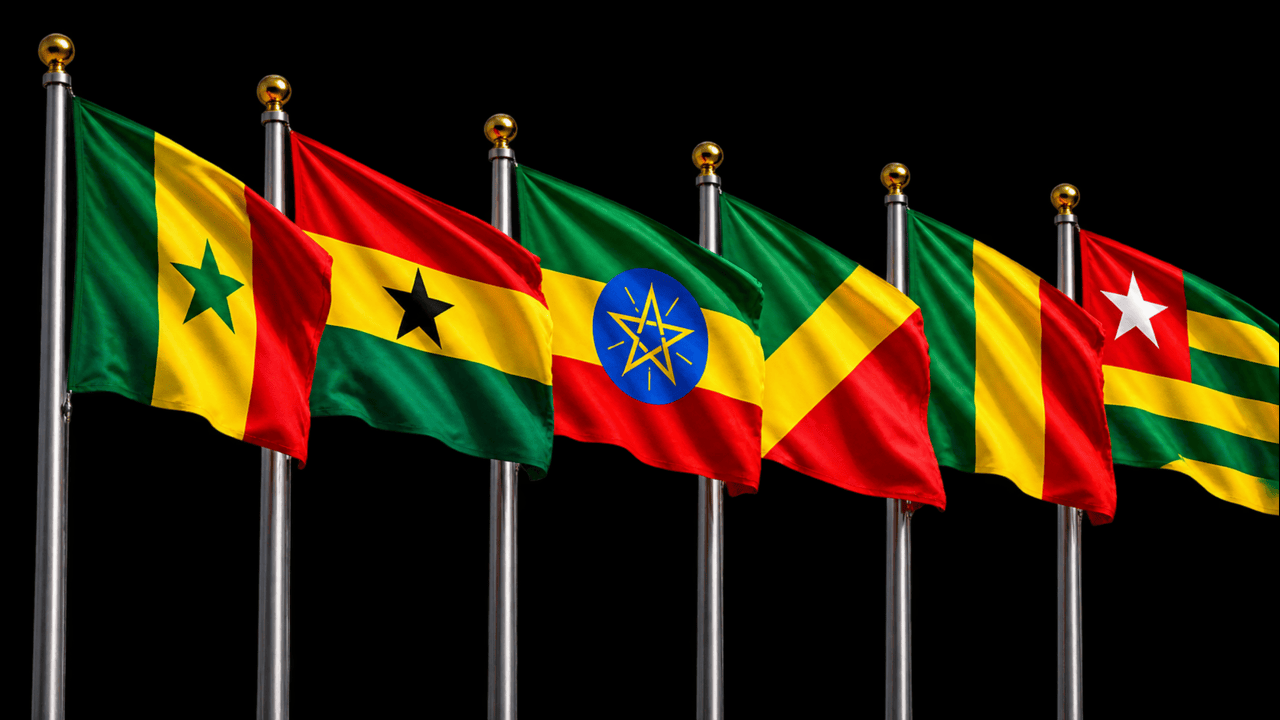
There is something familiar about the flags of several African countries.
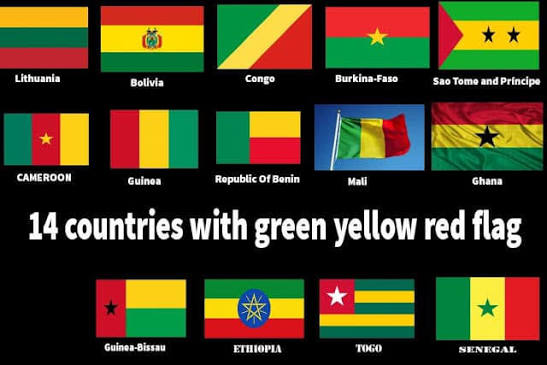
Ghana has red, gold and green. So do Guinea, Mali and Senegal. Ethiopia uses the same three colours, while Cameroon, Benin, Togo and Burkina Faso use variations of them.
The countries have different histories, languages and borders. How did the same colours end up appearing on so many flags?
It started with Ethiopia
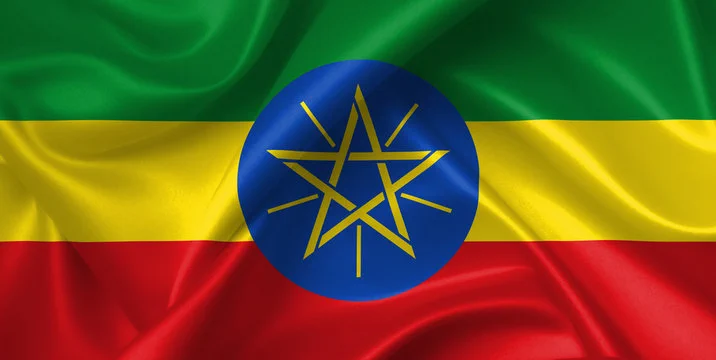
During the European partition of Africa in the late 19th century, Ethiopia and Liberia were among the African countries that preserved their sovereignty from long-term European colonial rule.
Ethiopia was later occupied by Italy from 1936 to 1941, but its earlier resistance had already given it a particular place in the history of modern Africa.
Its flag carried three colours that would later be widely used across the continent: green, yellow and red.Ethiopia's tricolour dates to Emperor Menelik II's flag of 1897, making it the oldest of its kind on the continent.
By the time African countries began gaining independence in large numbers after the Second World War, Ethiopia had become an important symbol of African sovereignty. Its flag colours were already associated with an African state that had resisted European expansion.
Ghana put the colours on a new independent flag
When Ghana became independent from Britain in 1957, it replaced the British colonial flag with a red, gold and green flag carrying a black star.
Ghana's government describes it as the first African flag after Ethiopia's to feature those three colours. The flag was designed by Ghanaian artistTheodosia Okoh.
The colours also gave the new flag a distinctly Ghanaian meaning. Red stood for the blood of those who died in the struggle for independence, gold for the country's mineral wealth and green for its forests and natural wealth. The black star stood for African emancipation.
Ghana's independence came as colonial rule was being challenged across the continent. Other territories were moving towards self-government, and national flags were becoming part of that process.
The same colours, different stories
Guinea became independent from France in 1958 and adopted a vertical red, yellow and green flag that November. Its flag uses the Pan-African colours, partly as a nod to Ghana. Red refers to the blood of those who fought for independence, yellow to the country's mineral wealth and green to its vegetation and agricultural potential.
Mali's story is a little more complicated.
TheMali Federation, formed by Senegal and French Sudan, adopted a green, yellow and red flag in 1959. It carried a black Kanaga figure on the yellow band. When Senegal left the federation in 1960, Mali continued using the flag and removed the Kanaga in 1961.

Senegal also uses green, gold and red, with a green five-pointed star in the centre.Its official explanation gives the colours meanings tied to Senegal's own history and society. Green has religious and cultural meanings, gold is linked to wealth and the fruits of work, while red speaks to blood, sacrifice and determination.
The same three colours carry different meanings from one country to another, shaped by each country's history, beliefs and national ambitions.
African flags have never followed one formula
Nigeria has green and white. South Africa uses red, blue, green, black, white and gold. Morocco has red and green, while Somalia uses blue and white.
Green does appear frequently across the continent, often connected to land, agriculture, forests, natural wealth or hope, but its meaning changes from one flag to another.
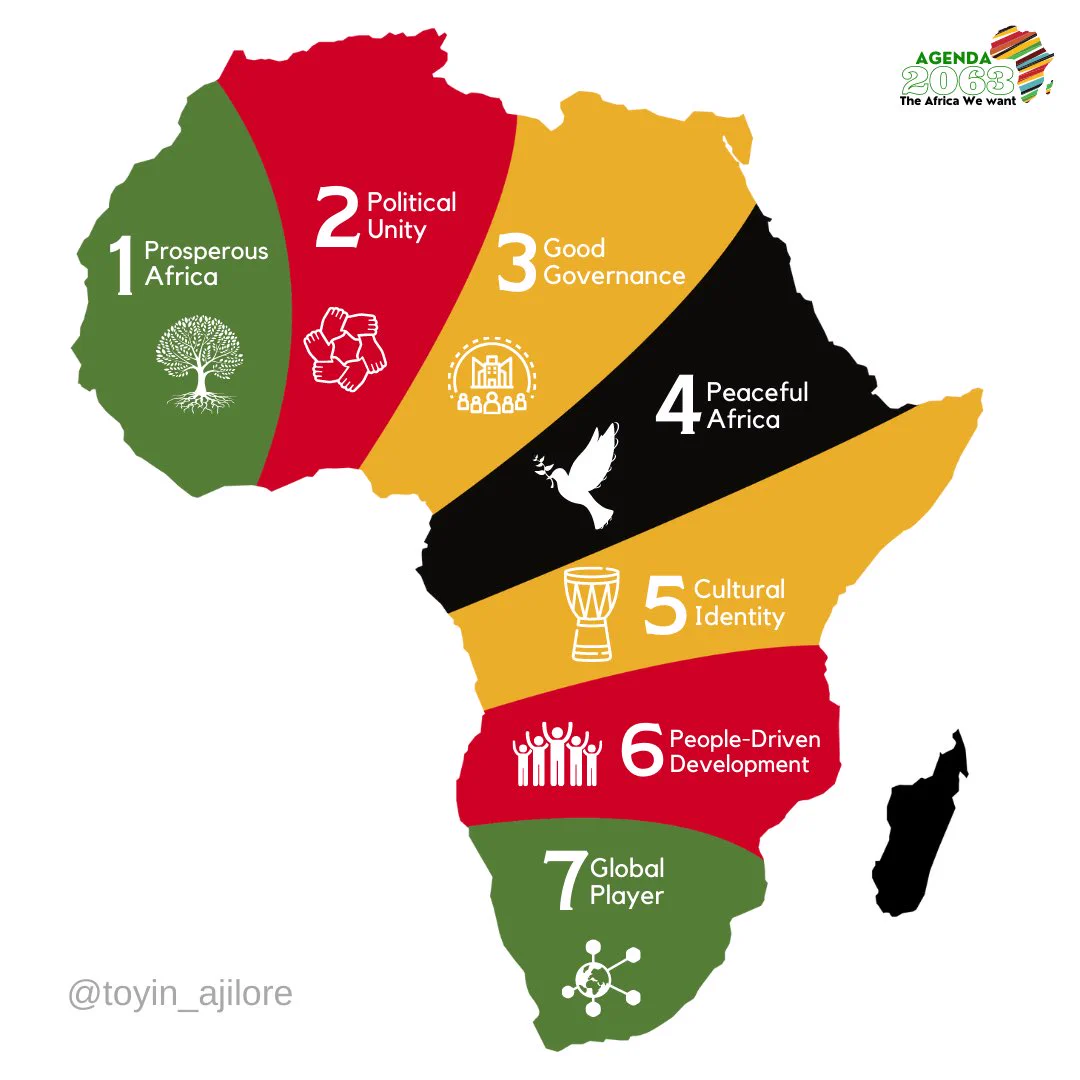
Credit: toyin_ajilore
The green, yellow and red combination is one particularly visible part of that wider history.
How the colours became Pan-African
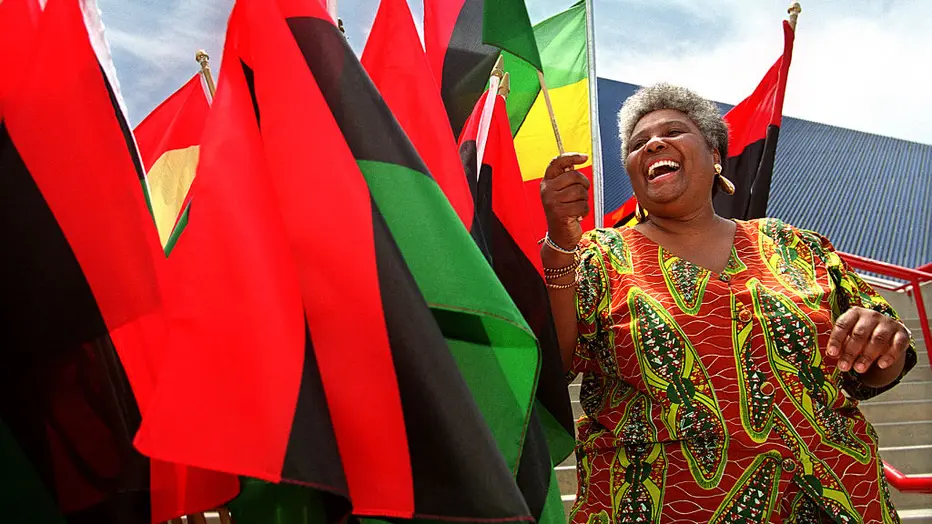
As more African countries became independent, green, yellow and red became increasingly associated with African independence and Pan-African identity.
Ghana helped give the colours a prominent place in the independence era. Guinea's government explicitly identifies its red, yellow and green as Pan-African colours, while the history of Mali's first flag also links the colours to unity with other African nations.
There was another Pan-African colour tradition too. Red, black and green became associated withMarcus Garvey and the Universal Negro Improvement Association, particularly in the African diaspora. Ghana's black star itself was drawn from theBlack Star Line established by Garvey.
That connection is a reminder that the history of African flags was shaped not only by the countries gaining independence on the continent, but also by a wider African identity being built across the diaspora.