Who Makes Most of the World’s Footballs, Including the World Cup Ball?
A Pakistani city with no World Cup appearances has spent decades producing footballs used around the world, including official match balls made for football’s biggest tournament.
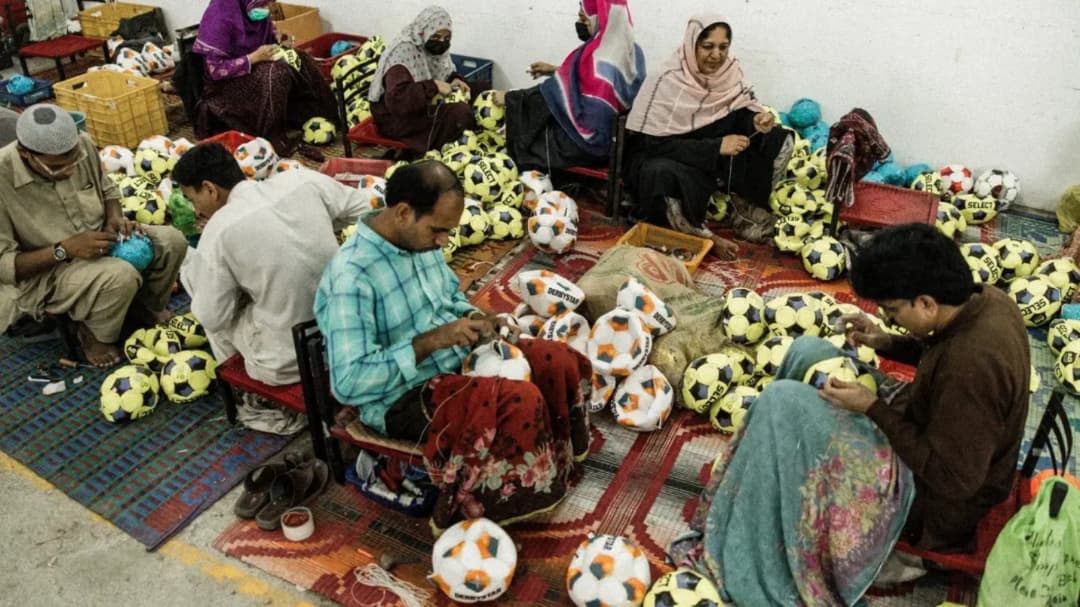
The Pakistani City Making 70% of the World's Footballs, Including the World Cup Ball
Pakistan has never qualified for the FIFA World Cup, but one of its cities has a connection to football's biggest tournament.
Sialkot, in Pakistan's Punjab province, produces a large share of the footballs used around the world, including official match balls made for the World Cup.
The city's football industry began with small workshops repairing damaged balls more than a century ago. That skill eventually developed into a manufacturing business supplying sports brands, schools, academies and players across different countries.
How Sialkot built its football industry
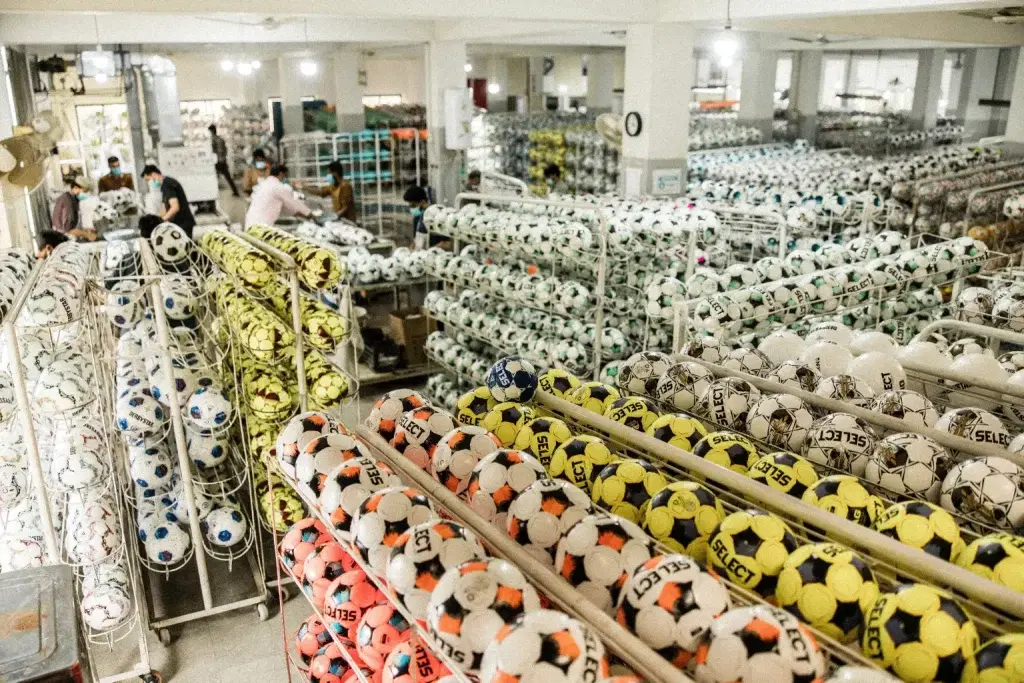
Before Sialkot became known for exporting footballs, local craftsmen were learning how to repair them.
The work required precision. Cutting panels, stitching sections together and shaping the ball correctly determined how it would perform during play.
As demand for sports equipment grew, small workshops expanded into factories. Over time, workshops, suppliers and manufacturers built a football production network across the city.
Today, industry estimates suggest Sialkot produces around70 per cent of the world's hand-stitched footballs. Pakistan exports millions of footballs annually, with the city accounting for a major share.
Most are training and recreational balls used by clubs, schools and players outside professional competitions.
The workers behind the stitches
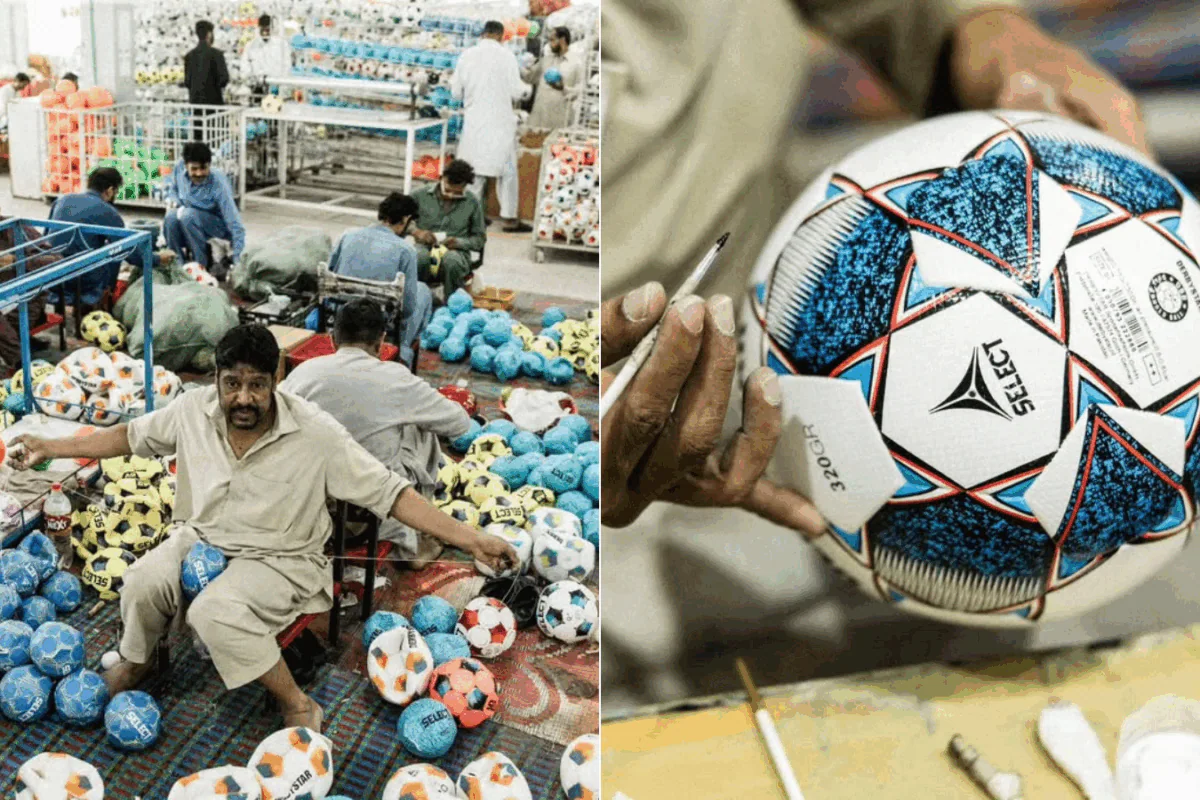
Inside Sialkot's factories, football production still depends heavily on skilled workers.
The process involves cutting panels, stitching them together, adding colours and logos, and checking each finished ball before it leaves the factory.
Hand stitching remains one of the most demanding parts of the work. Workers must maintain consistent spacing and tension because small differences can affect the ball's shape and movement.
New workers spend years learning how much pressure to apply and how to keep each stitch consistent.
After production, manufacturers test the balls for weight, size, roundness and durability before they are delivered to customers.
From Sialkot factories to the World Cup

The footballs leaving Sialkot factories eventually became part of the supply chains of major sports brands.
Forward Sports, one of the city's leading manufacturers, produces footballs forAdidas and made the official match ball for the 2026 FIFA World Cup,Trionda.
Creating a World Cup football involves years of research and testing. Manufacturers develop different designs and materials before a final version is approved.
The finished ball must meet FIFA requirements covering weight, dimensions, shape and performance under different playing conditions.
A city connected to football without playing in it
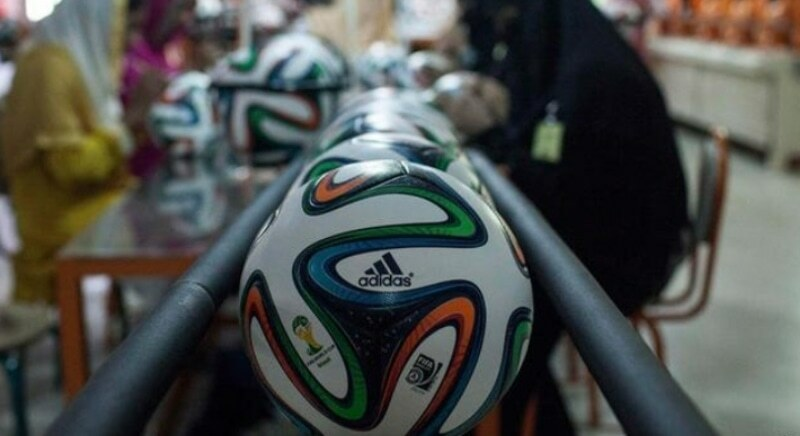
By the time the ball reaches a World Cup pitch, it has already passed through Sialkot's factories.
The city does not produce the players competing in the World Cup, but its factories produce equipment used on the pitch.
For the workers inside those factories, the process comes down to small details: the placement of a stitch, the shape of a panel and the quality of a finished ball.
Each football leaving Sialkot carries the result of a manufacturing tradition that began with local craftsmen and developed into a major export industry.