Who Is To Blame For Floods in Nigeria?
From local government budgets to digital tools tracking public spending, explore the root causes of flooding in Nigeria—and discover how you can hold your government accountable.
Nigerian Floods Keep Getting Worse. But Are We Blaming the Right People?
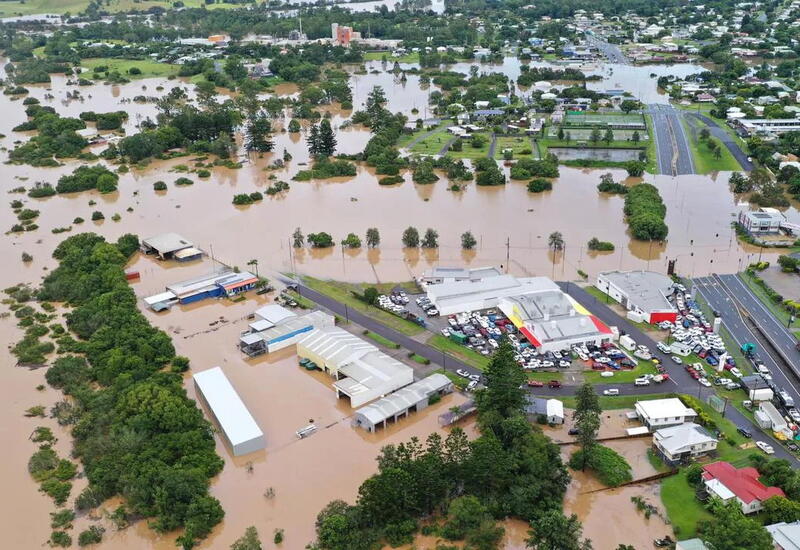
It started, as it often does, with a drizzle. Then thunder. Then mountains of water. By dawn, streets in Ikorodu had vanished under a moving sheet of brown murk. The residents waded barefoot in waist-high water, clutching plastic basins stuffed with life’s most prized possessions.
Flooding in Nigeria is no longer an unpredictable disaster. It is an annual event, practically scheduled into the national calendar between April and October.
Across Lagos, Ogun, and beyond, similar scenes played out. In Bayelsa, children were evacuated in fishing boats. In Sokoto, entire farms were washed away. According to data from the UN Office for the Coordination of Humanitarian Affairs, by mid-2024, the numbers had begun to tell a grim story. Over 1,083,000 people were impacted, 641,598 displaced, and at least 285 lives lost in flooding that touched 31 out of Nigeria’s 36 states.
By 2025, 1.3 million Nigerians had been affected. Over 98,000 homes were destroyed in a single season. In some towns, the water didn’t recede for weeks.
Yet the questions remain the same: Why does this keep happening? Who is supposed to prevent it? And who is actually accountable?
Everyone Says “The Government.” But Which Level?
Nigeria runs a federal system of government, with responsibilities distributed across three tiers: federal, state, and local. Each level has constitutionally assigned duties, especially when it comes to roads, drainage, and flood management. However, a lot of citizens treat “the government” as a single entity, blaming ‘Abuja’ for clogged gutters outside their homes. Understanding which level of government does what isn’t just a civic lesson, it’s a survival tool.
Local Government: The Drain Outside Your Gate
Local governments are the closest to the people, and in theory, they should be the most responsive. They are responsible for maintaining inner city roads, cleaning street-level drains, and ensuring proper waste disposal. They are also expected to regulate local construction and prevent illegal structures that block water flow.
In the simplest terms, when your street floods because the gutters are clogged, or the inner road is riddled with potholes that collect water, your local government is responsible. Environmental health officers and sanitation staff should regularly desilt drains and manage refuse.
However, in reality, many local governments claim to be underfunded and politically powerless. It is reported that in several states, governors exercise direct control over local councils, effectively stripping them of autonomy. What should be a proactive local system becomes paralyzed by bureaucracy and neglect.
State Government: The Flooded Main Road
State governments are tasked with overseeing state roads, major urban drainage systems, and regional flood control. They design and implement urban master drainage plans, enforce building codes, and coordinate disaster responses through their own emergency management agencies.
If your city’s major roads are underwater during rain, or your estate is flooded because canals haven’t been cleared, your state government is the one to question. Ministries of Environment and Works are supposed to fund and manage the infrastructure that handles rainwater and runoff on a city-wide scale.

In Lagos, for example, the government is meant to maintain large canals and outfalls and run regular desilting exercises. When those systems fail, the state, not the federal government, is the appropriate target of public scrutiny.
Federal Government: Highways, Rivers, and Dams

Image Credit: Sahara Reporters
The federal government deals with the national picture. Its agencies maintain federal highways, oversee major river basins and dams, and issue flood forecasts and warnings through institutions like the Nigeria Hydrological Services Agency (NIHSA) and the National Emergency Management Agency (NEMA).
It also disburses funds for environmental and ecological emergencies through the Ecological Fund Office. When river overflows are caused by dam releases, such as from the Lagdo Dam in Cameroon or Jebba Dam in Nigeria, the federal government must coordinate responses and ensure affected states are supported.
However, when a community gutter is blocked or a local road collapses during rain, the federal government is not responsible. Expecting Abuja to fix your neighbourhood flood problem is a misunderstanding of federalism.
A Way Forward
To solve Nigeria’s flood crisis, each level of government must do its job—and citizens must know who’s responsible. Local governments should clean gutters, maintain inner roads, and manage waste, while state governments handle major roads, city-wide drainage, and flood infrastructure. The federal government manages highways, rivers, dams, and emergency response.
In addition, though local governments often claim they lack funds, residents can always verify this by checking for the exact allocations from both state and federal sources.
Check online for the money allocated to your local government or Local Council Development Area (LCDA) from state and federal sources, to verify claims of underfunding.
Yes, Nigeria has public tools that track funds allocated to states and LGAs. NEITI publishes FAAC disbursement reports; BudgIT (via Tracka, and GovSpend) shows monthly allocations, projects, and spending.
Platforms like UDEME, and Follow The Money monitor fund usage and push for financial transparency.
By holding each tier of government accountable, based on publicly available allocation data, communities can demand meaningful action and begin to break the cycle of finger pointing.
Conclusion: The Cost of Confusion

Image Credit: Vanguard News Nigeria
Coastal cities like Lagos are sinking, literally at a rate of87 millimetres per year, as sea levels rise and rainfall intensifies. In places like Isheri-North, water levels crossed 20 meters, well above the flood danger threshold.
The situation is only getting worse. In 2025,180,000 hectares of farmlandwere lost to floods. That’s more than just a statistic, it’s food insecurity, rising prices, and lost livelihoods for thousands of farmers.
When everyone is blamed, no one is held accountable. This is part of why flooding continues year after year, despite predictable weather patterns and known risk zones. The water will come again, because floods in Nigeria are now predictable. The real disaster is that governance still isn’t.
Cover Image Credit: FSD Africa