Who Is Dora Akinyuli, And Why Did She Become the Standard Nigerians Still Hold NAFDAC Against?
Before NAFDAC had a face Nigerians recognised, Dora Akunyili turned the agency into one of the country’s most feared regulators. What exactly did she do?
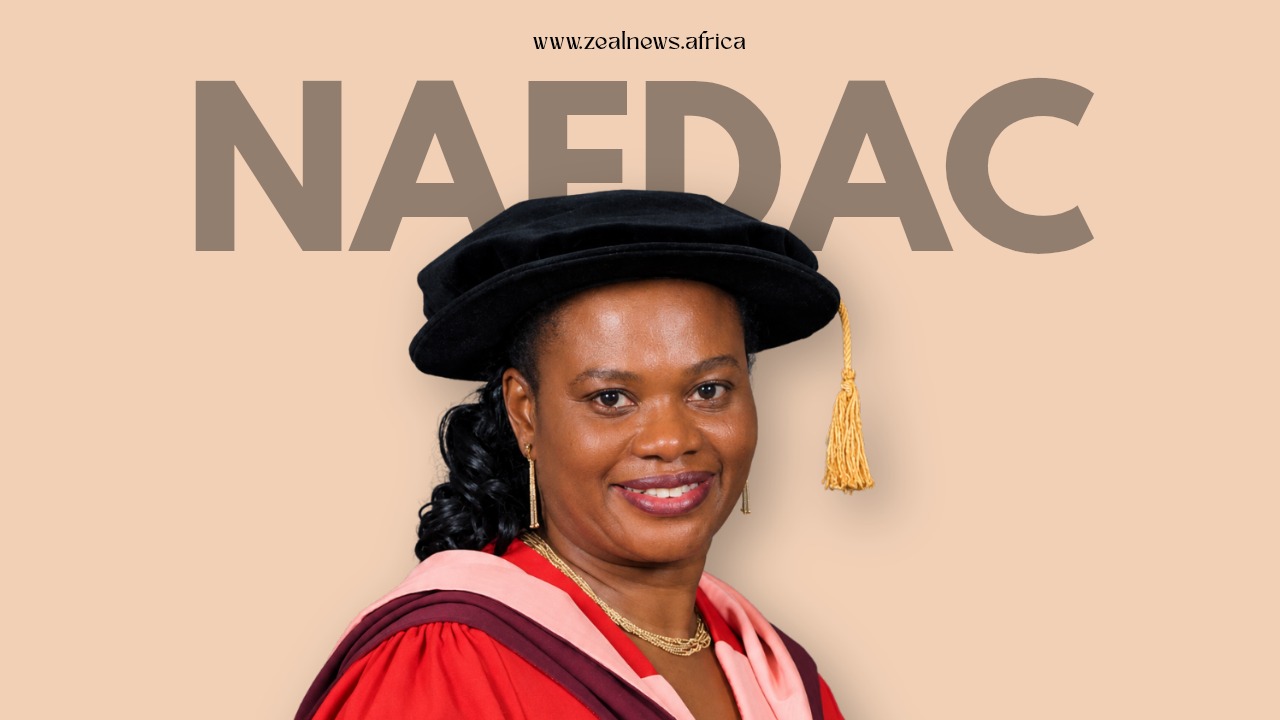
When Nigerians talk about fake drugs, one name still comes up: Dora Akunyili.
More than a decade after her death, her time at NAFDAC remains the benchmark many Nigerians use to judge the agency today.
So what exactly did she do that made her tenure so memorable?
For some, the comparison is with the current NAFDAC Director-General, Prof. Mojisola Adeyeye, but the nostalgia for Akunyili is not simply about wanting the past back.
It comes from the fact that, during her tenure, Nigerians could see and feel the work of the agency in a way that made NAFDAC synonymous with its fight against counterfeit products.
So who was Dora Akunyili, and what exactly did she do to leave such a lasting mark?
She Arrived at NAFDAC With a Personal Reason to Fight
Dora Akunyili was a pharmacist, pharmacologist, academic, and public administrator. She earned her pharmacy degree and doctorate from the University of Nigeria, Nsukka, taught and worked as a consultant pharmacologist, and later served as a zonal secretary with the Petroleum Special Trust Fund before President Olusegun Obasanjo appointed her Director-General of NAFDAC in 2001.
The job was waiting for her at the centre of a serious public-health problem.
Counterfeit and substandard medicines were widely available in Nigeria. A World Health Organization survey cited by the University of Bristol found that more than half of the drugs on sale in Nigeria were counterfeit or substandard at the time.
Hospitals could also be exposed to medicines that did not contain the correct ingredients or the required strength.
For Dora Akunyili, the issue was not theoretical.
In 1988, her sister Vivian, who had diabetes, died after receiving counterfeit insulin. That experience became one of the reasons Akunyili approached the problem with such determination when she eventually took over NAFDAC.
She spent nearly eight years at the agency, from April 2001 to 2008, and turned the fight against counterfeit medicines into the defining mission of her tenure.
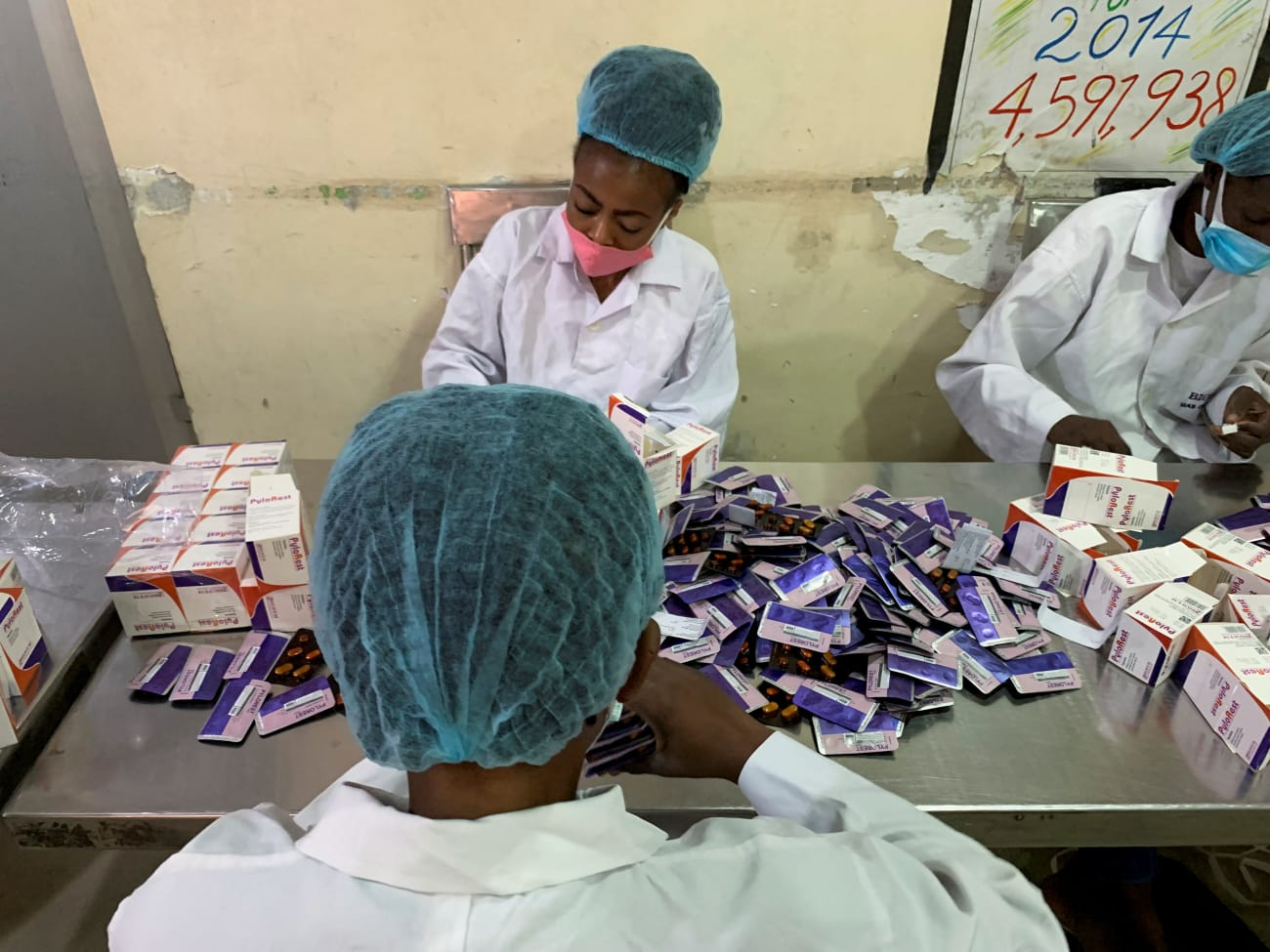
Seven Things Dora Akunyili Changed At NAFDAC
1. She made NAFDAC a regulator Nigerians could actually see
Akunyili did not simply inherit NAFDAC's mandate. She pushed to change how the agency operated.
Her administration strengthened enforcement, expanded awareness campaigns, improved laboratory capacity and increased the agency's presence in the field. She also confronted corruption and conflicts of interest that could undermine regulation.
The University of Bristol's account of her tenure describes the difference starkly: before her arrival, NAFDAC had developed a reputation for corruption and bribery around the movement of regulated products. Under Akunyili, that culture faced a much more aggressive challenge.
She made regulation visible.
That mattered because an agency can have laws and officials without the public ever feeling its presence. Akunyili made NAFDAC something Nigerians could recognise beyond a government letterhead.
2. She went after the system that allowed fake products to move
A counterfeit medicine does not simply appear in a pharmacy.

It has to be manufactured, imported or smuggled, transported, stored and sold.
Akunyili's NAFDAC therefore focused on more than street-level sellers. The agency tightened inspection and enforcement around pharmaceutical products and targeted the channels through which fake medicines entered and moved through the country.
Her officers also shut down offending operations and seized counterfeit products.
One of the clearest examples came in Kano, where NAFDAC closed a large open-air medicine market for three months while officers confiscated fake drugs. The University of Bristol recorded the seizure at about £140,000 worth of counterfeit products.
The message was simple: the fight would not end with the person standing behind a shop counter.
3. She made counterfeiters worry about prosecution
Seizures alone do not dismantle an illegal industry.
Akunyili's administration pursued criminal cases against people involved in the manufacture and distribution of counterfeit medicines. By June 2006, contemporary reports said 45 counterfeiters had secured convictions, while many other cases were pending.
That introduced something the counterfeit market had long lacked: a credible threat of consequences.
For people making money from fake medicines, the risk was no longer limited to having a shipment confiscated.
4. She turned seized fake drugs into a public warning
Akunyili understood that regulation was also a communication exercise.
NAFDAC publicly destroyed large quantities of seized counterfeit products. The events attracted attention because they showed Nigerians exactly what the agency was removing from the market.
By 2007, The Guardian reported that NAFDAC had publicly destroyed fake drugs worth more than $150 million.

The destruction served two purposes. It removed dangerous products from circulation, while the public spectacle sent a warning to manufacturers, importers and traders.
People did not have to wonder whether NAFDAC was doing anything.
They could see it.
5. The evidence suggested the counterfeit-drug problem was shrinking
This is where caution matters because different studies used different methods and produced different estimates.
A 2006 study cited by NAFDAC reported that counterfeit drugs in circulation had fallen from an average of 41 percent in 2001 to 16.7 percent in 2006.
WIPO also reported NAFDAC figures showing an 80 percent decrease in counterfeit drugs in circulation by 2005.
Those figures should not be treated as though they came from one continuous measurement. But taken alongside the documented enforcement reforms, they help explain why Akunyili's tenure became associated with a significant improvement in the country's fight against counterfeit medicines.
Her record was not simply about dramatic raids. There was measurable change behind the publicity.
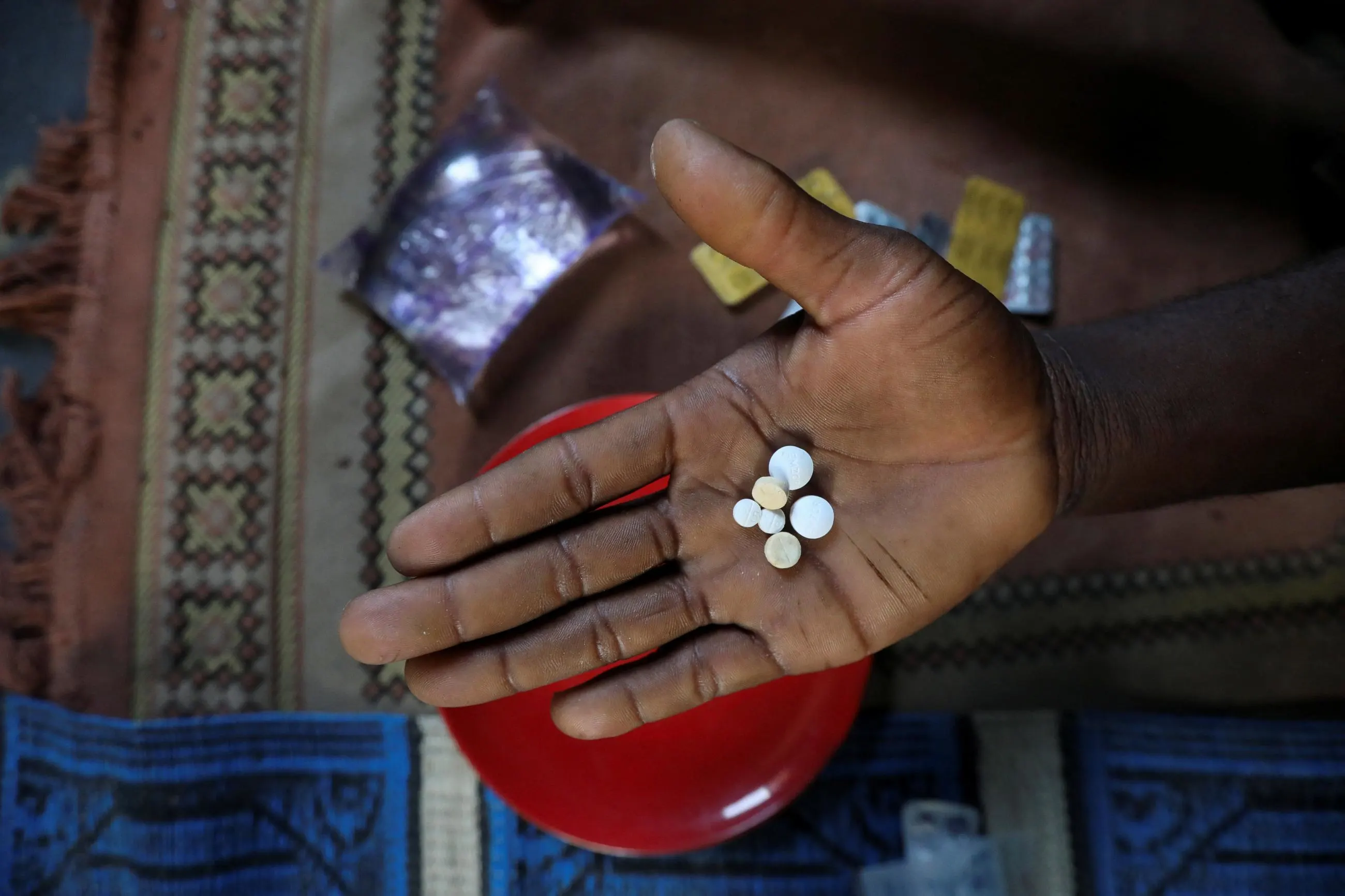
6. She understood that consumers had to be part of the solution
The regulator could seize products all day and still lose the wider battle if consumers could not recognise the risks.
NAFDAC expanded public education and awareness campaigns during Akunyili's tenure, including programmes aimed at schools and communities.
This was very important because counterfeit medicines could be packaged to look almost identical to legitimate products. Consumers needed information about the dangers and the importance of obtaining medicines through legitimate channels.
She therefore treated public awareness as part of enforcement.
The regulator was not only supposed to catch the counterfeiters. It also had to make Nigerians understand what was at stake.
7. She turned a Nigerian regulatory battle into an international story
By the middle of the 2000s, Akunyili's work had attracted international attention.
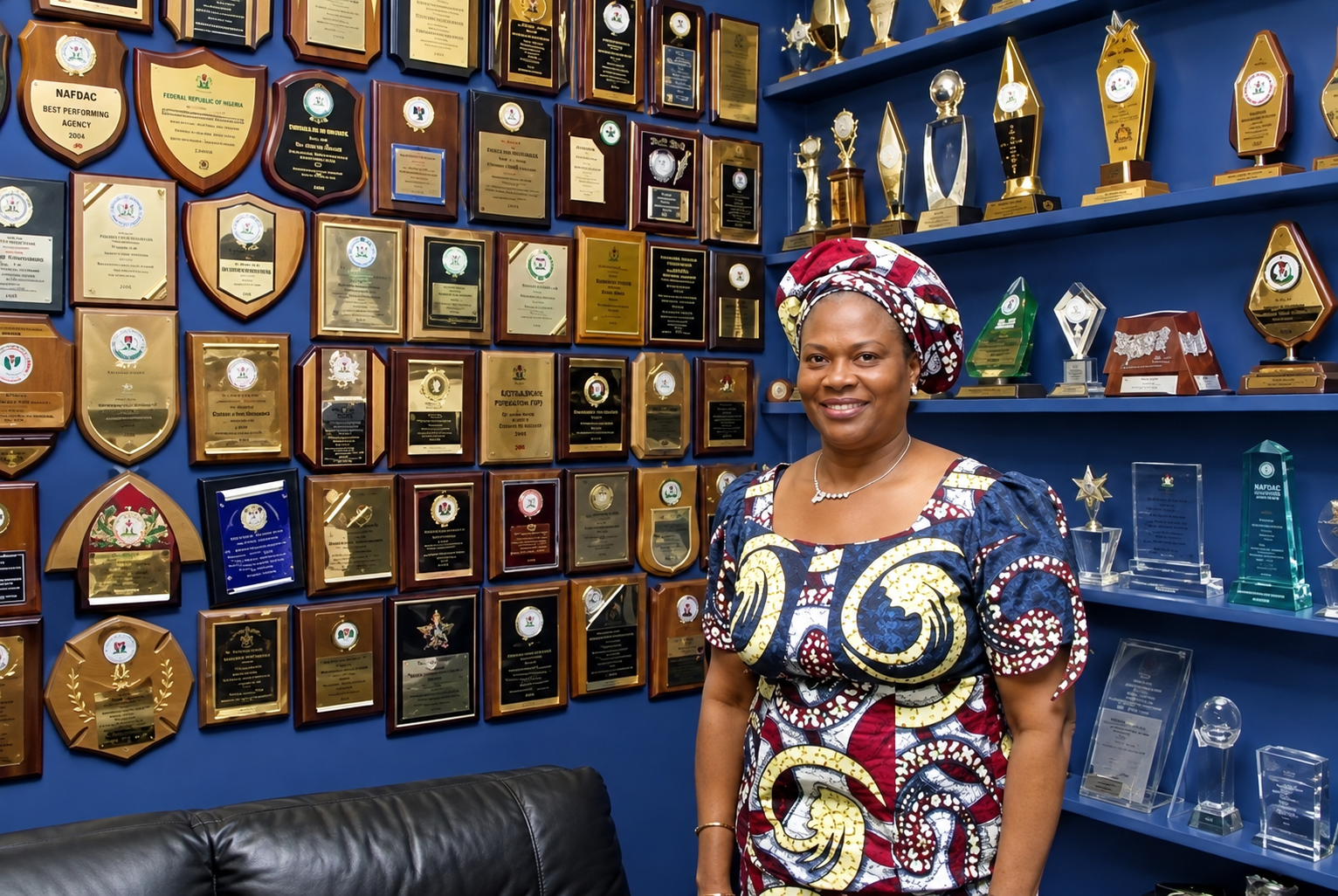
She received numerous local and international honours for her work in public health and human rights. The University of Bristol awarded her an honorary degree in 2006, while WIPO later described her as a prominent figure in the global fight against counterfeiting.
Her international recognition mattered because it challenged an assumption Nigerians were accustomed to: that a government institution could not be both effective and internationally respected.
Akunyili had made NAFDAC's work impossible to keep inside Nigeria's borders.
However, She Did Not Stop At NAFDAC
This is the part of Akunyili's career that is often left out when her legacy is discussed.
In December 2008, after leaving NAFDAC, she became Nigeria's Minister of Information and Communication under President Umaru Musa Yar'Adua. She remained in that position until 2010.
The move was significant because it placed someone known primarily for regulatory enforcement at the centre of the government's battle over public communication and national image.
As Information Minister, she became associated with the “Good People, Great Nation” campaign, an attempt to promote a more positive image of Nigeria and encourage patriotism.
But her ministerial years were also politically difficult.
During President Yar'Adua's prolonged illness and absence from public view, Akunyili became one of the ministers who openly pushed for the government to address the constitutional uncertainty surrounding his ability to govern. Her position placed her at odds with powerful interests within the administration.
She later left government and contested for the Anambra Central Senate seat under the All Progressives Grand Alliance in 2011, but lost the election. Akunyili received over 900 awards throughout her career, the highest number of awards ever received by any Nigerian.
Akunyili continued to participate in public affairs, including Nigeria's 2014 National Conference, even as she battled cancer.
She died in India on June 7, 2014, aged 59. The National Library of Nigeria records that she had been receiving treatment for cancer and that she was later buried in Agulu, Anambra State.
Why Do Nigerians Still Remember Her?
Dora Akunyili did not eliminate counterfeit products from Nigeria.
No regulator could permanently eradicate a problem involving criminal networks, weak systems, porous supply chains and enormous consumer demand.
Her legacy is more important than that.
She demonstrated what a regulatory institution could look like when its leadership was willing to make enforcement visible, confront entrenched interests and accept the personal risks that came with the job.
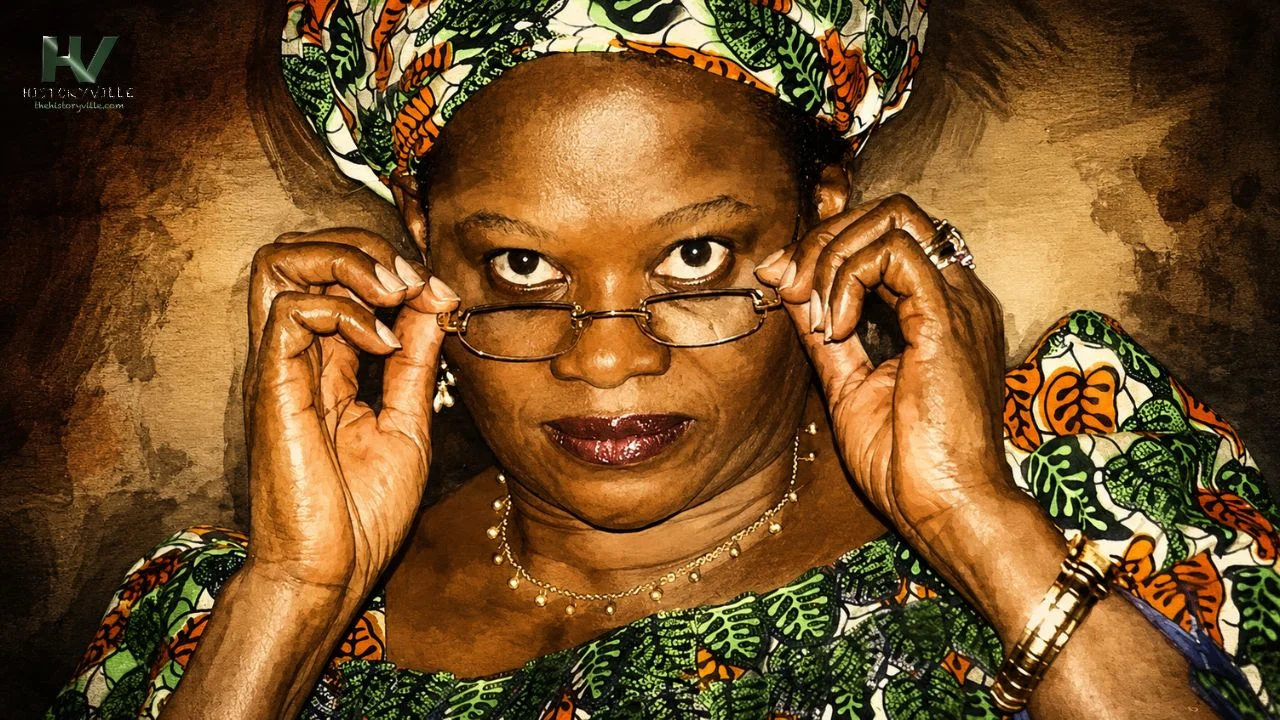
She survived an attack on her convoy in 2003. NAFDAC facilities were later attacked and destroyed. In an interview preserved by Princeton University's Innovations for Successful Societies, Akunyili spoke openly about the threats she and her family faced and the attacks on the agency's facilities.
And she kept going.
That is why her name continues to surface whenever Nigerians question NAFDAC.
They are not necessarily asking for another Dora Akunyili. They are remembering what it felt like when the person leading the agency appeared to embody its mandate.
Akunyili left NAFDAC in 2008. She died in 2014. But the standard associated with her has remained.
Perhaps that is the real measure of her public-service legacy.
She did not merely occupy an office. She made Nigerians notice what the office was supposed to do.