When Parents’ Love Becomes a Child’s Prison: Protection or Too Much Control?
What if the person telling you that you are too sick to live independently is the very person keeping you trapped?
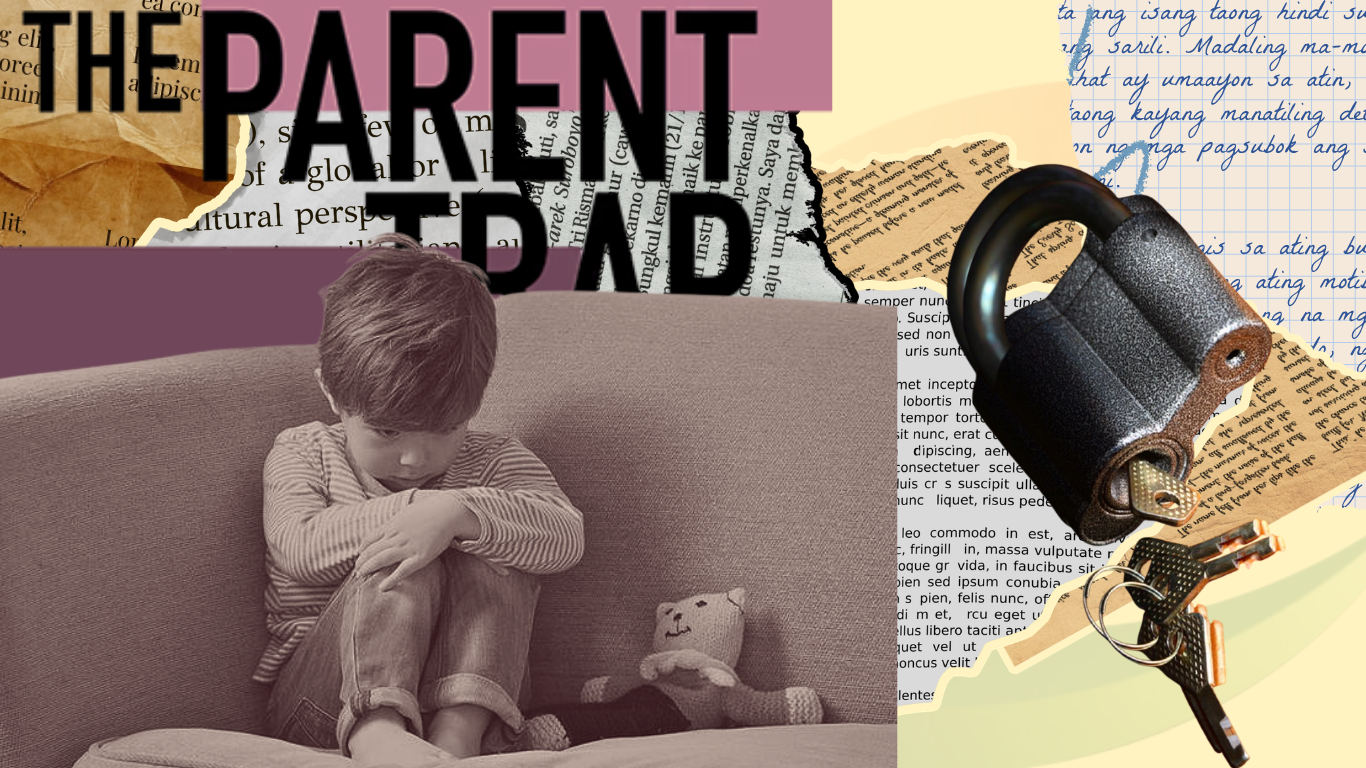
You might say that I am not a parent myself, hence I don’t have any expertise to write about parenting. But I am someone’s child and an adult now to understand the difference.
What happens when the person who is supposed to protect you becomes the reason you are afraid to live your own life?
Some children grow up believing that being a good son or daughter means always being available. They answer every call, cancel their plans, turn down opportunities and carry responsibilities that slowly become too heavy to carry.
Sometimes, the trap begins with a parent saying, “Who will take care of me if you leave?”
But there is another, more disturbing version of this trap: when a parent makes a child believe that they are sick, gives them medication for illnesses they may not actually have, or constantly convinces them that they are too fragile to live independently.
The child may not even realize they are being controlled.
They simply grow up believing, “Something is wrong with me. I cannot go too far. I cannot live alone. I cannot do this without my parents.”
And that belief can become a prison.
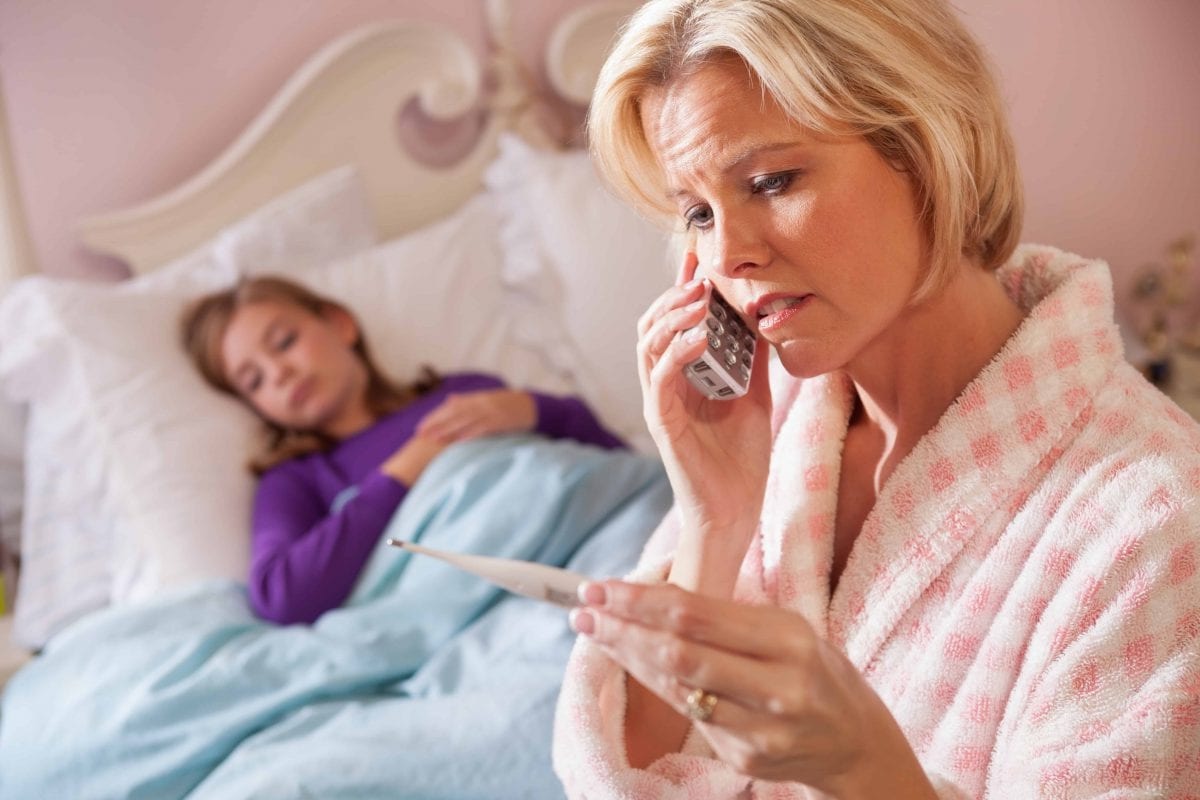
When Illness Becomes a Way to Control a Child
Having a genuinely sick child is difficult. Parents naturally worry about their children's health and may need to restrict certain activities when there is a real medical reason.
But what happens when the illness itself becomes part of the control?
Imagine being told repeatedly that you are sick when you do not actually feel sick. You are given medicine, warned against travelling, discouraged from working or studying far from home, and told that something terrible could happen if you are not constantly around your parents.
Eventually, you may stop questioning it.
You may think your body is weaker than it really is. You may become afraid of leaving home.
You may depend on the person who has convinced you that you cannot function without them.
In severe cases, deliberately making or exaggerating another person's illness can be associated with a condition known as factitious disorder imposed on another, sometimes referred to as Munchausen syndrome by proxy.
This is a mental health condition where you pretend that someone within your care is sick when they aren’t. It’s a type of abuse.
But not every controlling parent fits that diagnosis, and only a qualified professional can determine what is actually happening.
The important point is the behaviour: a child's health should never be manipulated to make the child easier to control.


The Child Who Starts Doubting Their Own Body
One of the cruelest parts of this situation is that the child can begin to distrust their own judgment.
They might say, “I feel fine.” But the parent responds, “Youdon't know your body. You are sick.”
The child wants to travel. The response is “You can't. Your condition won't allow it.”
They want to get a job. Then the parent gave a sentimental reply, “You need to stay home and rest.”
Or if they want to move out. Then asked with a concerned tone, “What if something happens to you?”
But after hearing these things over the years, the child may eventually stop fighting. Stop struggling and just give up. Because they don't need someone to lock the door anymore.
Then fear has become the lock.
And this is where the parent trap becomes particularly painful. The child may be an adult physically, but emotionally they can remain dependent on the person who has spent years telling them that they are incapable of taking care of themselves.

When Caring Becomes Control
There is a difference between protecting a child and preventing a child from growing.
There is also a difference between a parent needing help and making a child feel guilty for having a life.
A parent can genuinely need medical assistance. A parent can genuinely be afraid of being alone. A child can genuinely have responsibilities toward their family.
But none of those things should automatically mean that the child's entire future belongs to the parent.
A child can care for their mother and still build a career. They can support their father and still get married. They can check on their parents and still move to another city. But that doesn't mean they can't build their life.
Because if they are genuinely healthy, they should not have to live under an invented or exaggerated medical condition simply because someone is afraid of losing control over them.
Love should not require a person to remain helpless, but to remain happy and healthy.
To the Person Who Has Started Questioning Everything
If you grew up being told that you were always sick, dependent or incapable, questioning that narrative can be frightening.
You may even feel guilty for doing it.
But if something about your medical history does not make sense, it is reasonable to seek an independent medical opinion from a qualified healthcare professional rather than relying only on information provided by someone else.
Ask questions.
Understand what medication you are taking and why it was prescribed.
Keep your own medical records where possible.
And most importantly, don't assume that wanting to understand your own health makes you disrespectful. You deserve to know what is happening to your own body.
If you believe someone has deliberately made you ill, given you medication without a legitimate medical reason, or prevented you from seeking independent medical care, that is serious and deserves professional help and support.
If there is an immediate danger, seek medical attention and contact someone you trust who can help you safely.

You Are Allowed to Have a Life Outside the Family
For some people, breaking away from this kind of control may feel like betrayal.
It isn't necessarily. You can love your parents without living your entire life for them.
You can appreciate everything they sacrificed for you without surrendering your future.
You can care about their health without becoming responsible for every emotion they experience.
And you can finally ask yourself a question that you may have been afraid to ask for years:
“What would my life look like if I wasn't afraid?”
Maybe you would travel.
Maybe you should study.
Maybe you would get married.
Maybe you would move out.
Maybe you would finally pursue the career you wanted.
Maybe you would simply wake up one morning without wondering whether you are allowed to make your own decisions.
That freedom does not erase your love for your family.
It simply means you are finally making room for yourself too.
Conclusion
The parent trap is complicated because sometimes there is no obvious villain.
There can be genuine love. Genuine illness. Genuine sacrifice. Genuine fear.
But there can also be manipulation hidden inside all of it.
A parent should not have to make a child feel sick to keep them close. A child should not have to remain dependent to prove that they love their parents.
Children grow up. They leave home. They build relationships, careers and families of their own.
That is not abandonment.
It is life.
And perhaps one of the greatest things a parent can give a child is not a reason to stay, but the confidence to leave knowing they are capable of standing on their own—and knowing that they will still be loved when they do.