What Did the Hausa Believe Before Islam? The Religion Many Nigerians Have Never Heard Of
Before Islam became dominant in Hausaland, Bori shaped Hausa religious and political life through spirit traditions, healing, and ritual. Here is the history many younger Nigerians rarely hear.
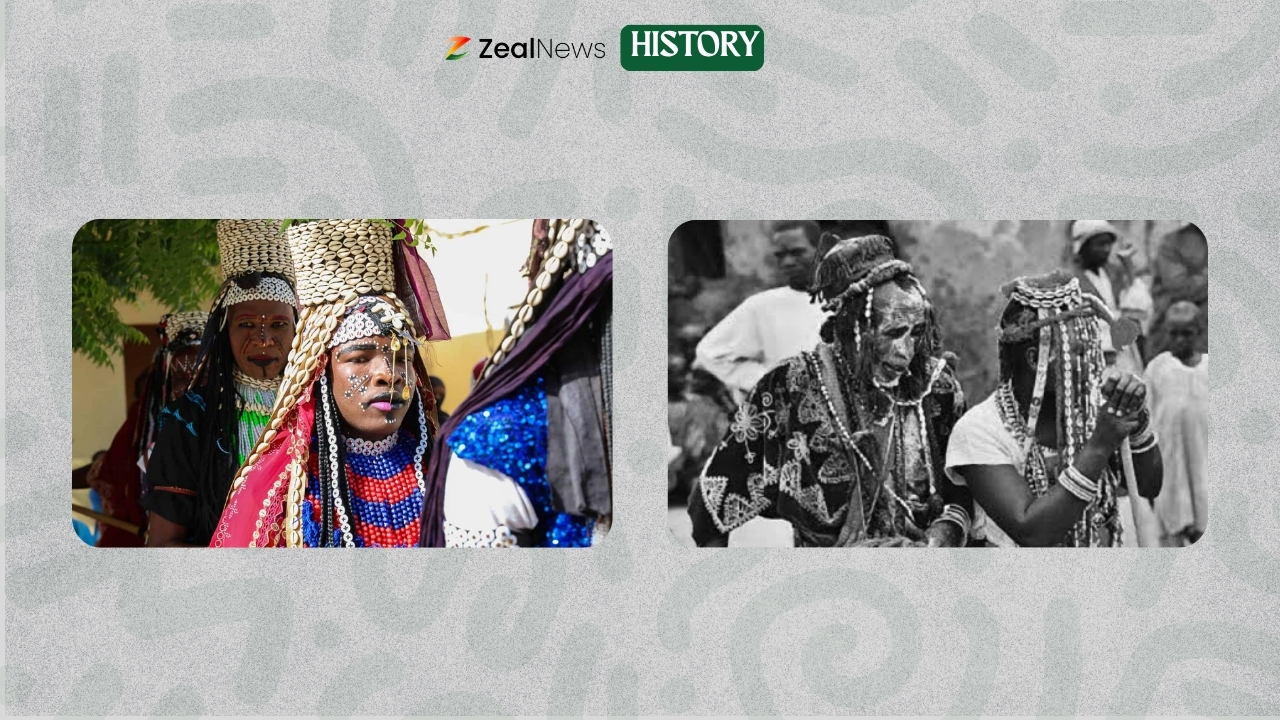
If I ask you the predominant religion among the Hausa people and many of the major communities of northern Nigeria, the answer would probably come almost immediately: Islam. And that answer would make sense.
Islam has been deeply woven into the culture, politics, scholarship, and everyday life of Hausaland for centuries. But what if we take the question backwards for a moment? Before Islam became dominant in the northern kingdoms, what did the Hausa believe?
There was Bori, and this is where the story becomes interesting because Bori was not simply a collection of strange rituals that disappeared when another religion arrived. It was part of a much older Hausa religious world, associated with Maguzanci, in which relationships with spirits, ancestors and supernatural forces helped people understand illness, fertility, rainfall, harvests, political power and the uncertainties of everyday life.
The exact origins of Bori are debated by scholars, but research places its roots in pre-Islamic traditions and traces its development across Hausaland and neighbouring parts of Niger over many centuries.
So, What Exactly Was Bori?
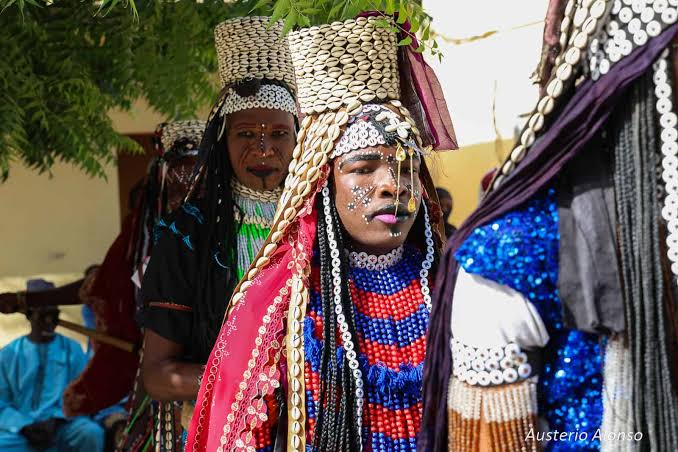
Bori centred on spirits known as iskoki, with some traditions also using aljannu, the Hausa form of the Arabic-derived word for jinn. Practitioners believed these spiritual beings could influence human affairs, and specialised men and women acted as intermediaries, healers and spirit mediums.
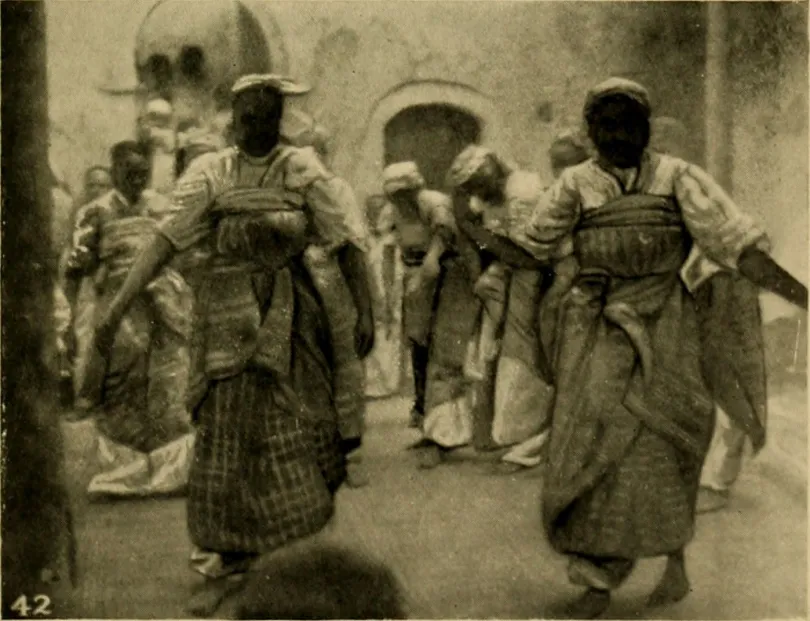
During ceremonies, practitioners could enter possession states accompanied by music, drumming, costumes and dramatic dancing, creating something that was simultaneously religious ritual, healing practice and public performance.
Women held particularly important positions in some Bori communities. Among some of the later Hausa kingdoms, Bori became connected to political authority, with female priestesses occupying influential positions and royal Bori institutions linked to the protection and wellbeing of the ruling house.
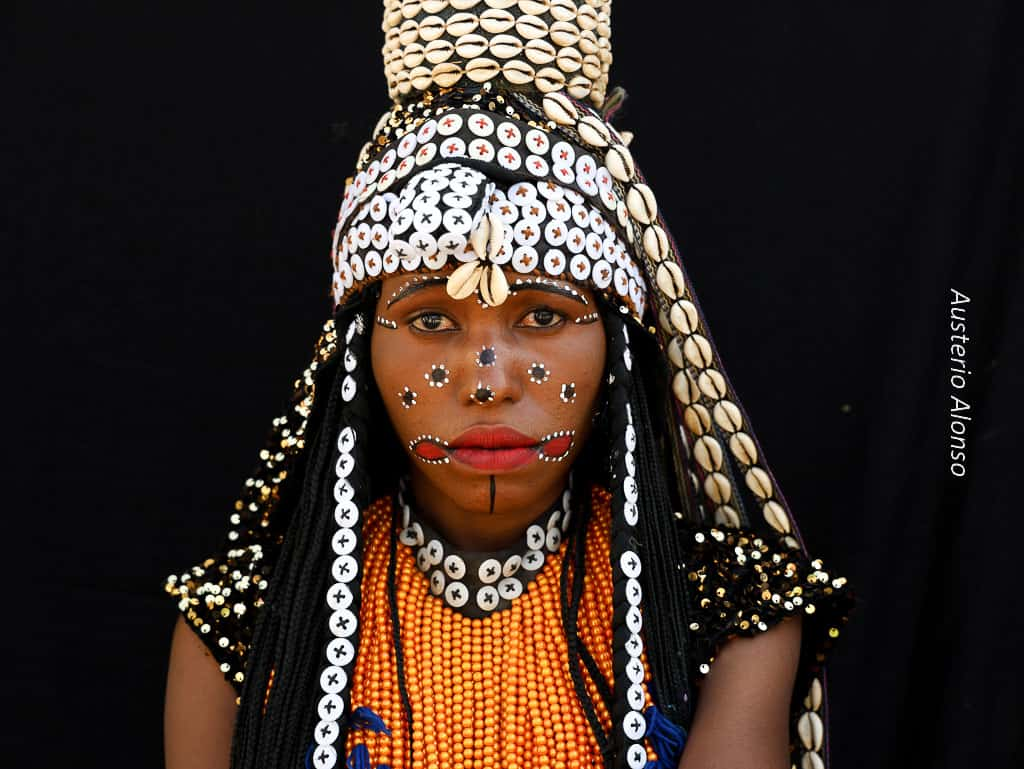
The leading priestess could be known as the Inna, while other specialists participated in ceremonies, healing, and communication with the spirit world. This makes the history particularly fascinating because it reveals a form of religious authority in which women could possess considerable influence within societies that were otherwise strongly patriarchal.
But then another religious tradition was steadily making its way across the region.
When Islam Arrived in Hausaland
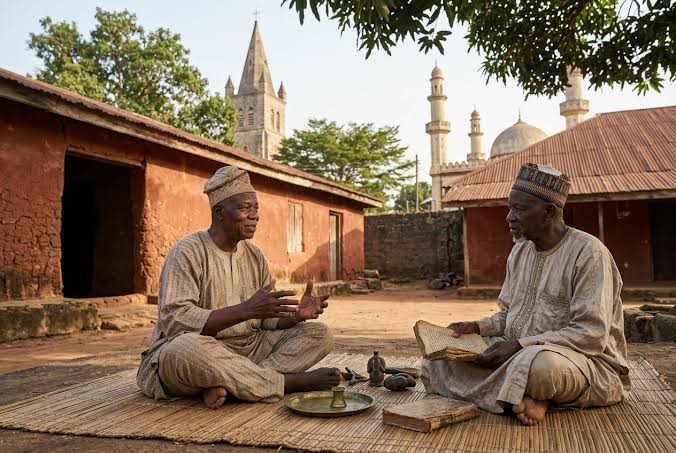
Islam did not suddenly appear in northern Nigeria one morning and replace everything that came before it. Its spread was gradual, connected to trans-Saharan trade, Muslim merchants, scholars, and migration.
Islam had reached the wider Lake Chad region much earlier; in Hausaland, Muslim influence became increasingly significant from the medieval period, with Kano and Katsina eventually emerging as important centres of Islamic learning and commerce.
In Kano, the arrival of Wangarawa Muslim traders is traditionally associated with the reign of Ali Yaji in the 14th century, while the reign of Muhammad Rumfa (1463–1499) brought much stronger royal patronage to Islam.
Rumfa built mosques and supported Islamic scholarship, including the celebrated scholar Muhammad al-Maghili, whose writings addressed Muslim governance.
This did not mean traditional beliefs disappeared overnight. For centuries, Islamic practices and older Hausa religious traditions existed alongside one another, sometimes uneasily and sometimes in remarkably complicated combinations.
History
Rewind the Stories that Made Africa, Africa
A Journey Through Time, Narrated with Insight.
The biggest political transformation came much later.
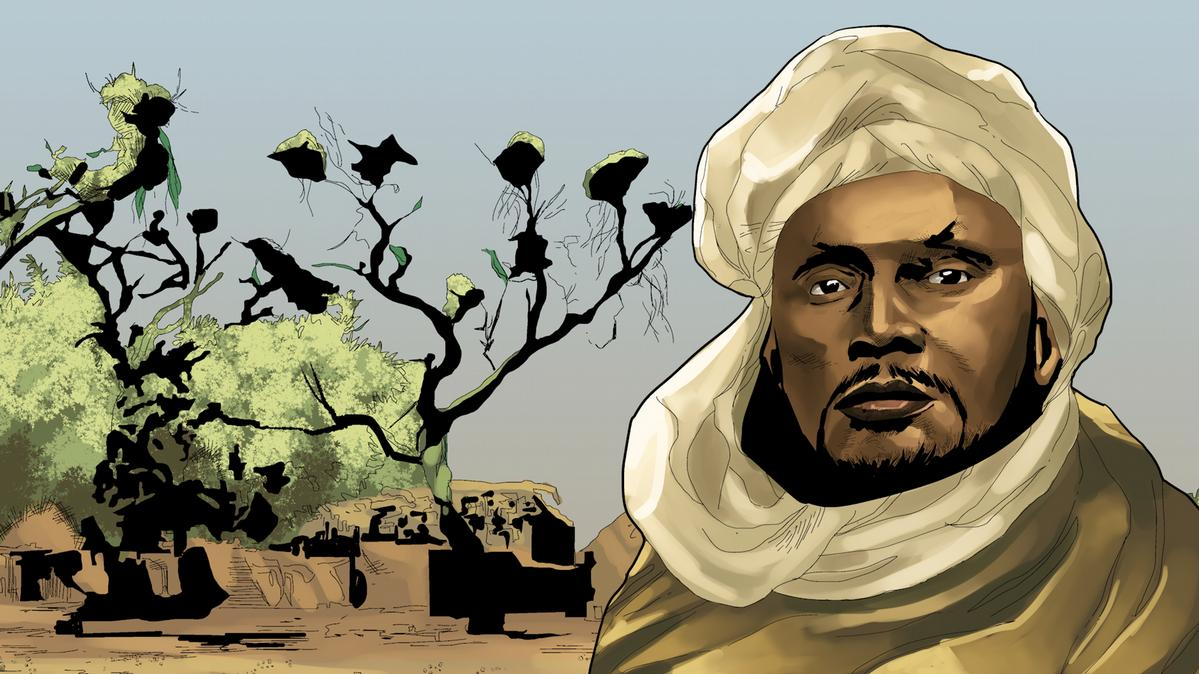
In 1804, Usman dan Fodio's jihad began a process that dramatically altered the political map of Hausaland and led to the establishment of the Sokoto Caliphate. Under the new Islamic political order, Bori practices faced stronger condemnation and suppression, particularly where they conflicted with Islamic religious authority. Yet Bori did not simply vanish.
The Religion That Refused to Completely Disappear
This may be the most interesting part of the story.
Bori survived partly by changing. In some communities, spirit traditions absorbed Islamic ideas, with spirits increasingly understood through the language of jinn, while some practitioners acknowledged Allah's sovereignty.
Researchers have documented Bori traditions surviving within predominantly Muslim societies, particularly in areas outside the strongest reach of the Sokoto Caliphate.

So the historical question is not simply, “Why did Bori disappear?” because it didn't completely disappear.
The better question may be: what happens to an old belief system when a new religion becomes dominant?
Sometimes it retreats from the palace into private spaces. Sometimes its public institutions disappear. Sometimes its vocabulary changes. And sometimes parts of it survive quietly inside the culture that replaced its political dominance.
That is why Bori deserves to be remembered today, especially by younger Nigerians who may know northern Nigeria almost entirely through its modern Islamic identity. Learning that history does not require judging Islam or romanticising an older religious system. It simply means acknowledging that Hausa history existed before the religious landscape we recognise today.
The story of Bori is therefore not only about an old religion. It is about memory.
Because cultures do not always forget in straight lines. Sometimes they remember quietly, through stories, rituals, music, healing traditions and practices whose origins become harder to recognise with every generation.
And somewhere inside the long history of Hausaland, before today's mosques, madrasas and Islamic scholarship became defining features of northern life, there was another spiritual world. Its name was Bori.