Super Falcons Suffer Historic Defeat as Malawi Pull Off Stunning WAFCON Upset
Nigeria's Super Falcons suffered a historic 3-2 defeat to WAFCON debutants Malawi as Temwa and Tabitha Chawinga starred. Here's what went wrong for the African champions and what it means for their title hopes.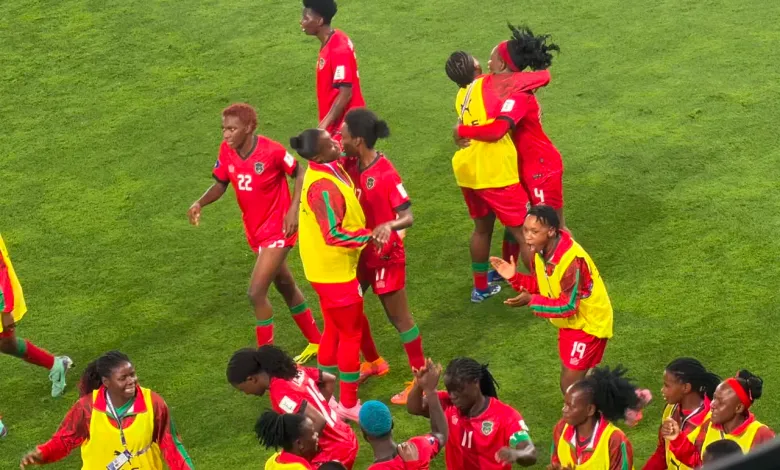
Nigeria's Super Falcons, the reigning Women's Africa Cup of Nations (WAFCON) champions, suffered a shocking 3-2 defeat to tournament debutants Malawi in their Group C opener at the Al Madina Stadium in Rabat.
This unexpected upset, considered one of the biggest in African women's football history, saw Malawi's formidable sister duo, Temwa and Tabitha Chawinga, lead their team to a historic victory. Before this match, Nigeria had a remarkable record against WAFCON debutants, boasting 16 wins and one draw.
The match witnessed Temwa Chawinga break the deadlock in the 69th minute, followed by her elder sister Tabitha doubling Malawi's lead just five minutes later. Nigeria's captain, Rasheedat Ajibade, converted a penalty in the 92nd minute, offering a glimmer of hope.
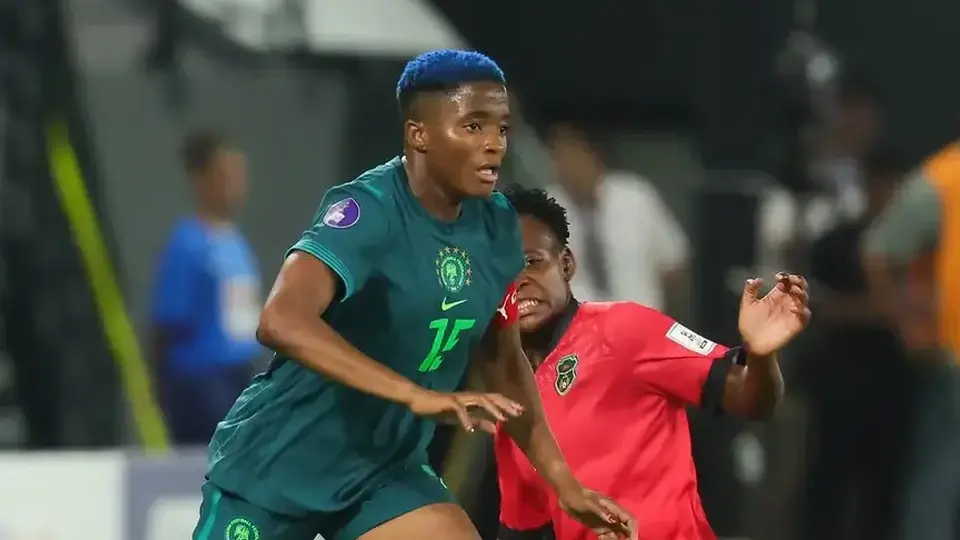
However, Temwa Chawinga struck again three minutes later following a swift counterattack, restoring Malawi's two-goal cushion. Although substitute Uchenna Kanu pulled another goal back in the 98th minute, it proved to be a mere consolation as Malawi secured a famous win on their WAFCON debut.
Reflecting on the loss, Super Falcons midfielder Esther Okoronkwo admitted the team started “a little flat” and emphasized the need to learn lessons for the next game, stating, “Next game we have to come back better, in this game, we came out a little flat. But it is what it is, we have to go back and learn our lesson and learn where we should fix and come back better in the next game.”
She also kept her focus on moving forward regarding a controversial penalty decision, saying, “I don't know what the referee saw but I think it should have been looked at but it is what it is I didn't get it, so I won't talk about it or complain about it.”
The defeat has intensified scrutiny on Nigeria's head coach Justin Madugu and his tactical decisions. A major concern was the team's fragile defensive structure, which was repeatedly exploited by the pace and precision of the Chawinga sisters.
Nigeria's strategy of pushing full-backs high left vast spaces behind the defense, with the midfield offering insufficient protection. The absence of a recognized sitting defensive midfielder meant lost balls in transitions often exposed the backline, leading directly to Temwa Chawinga's goals.
The decision to start veteran defender Osinachi Ohale against arguably the quickest attacking partnership in African women's football also proved costly, as she struggled to cope with their movement.
Despite dominating possession for long periods, particularly in the first half, Nigeria's attack lacked the necessary cutting edge. Movement in the penalty area was poor, final passes, sometimes from Esther Okoronkwo, frequently lacked quality and clear-cut chances were scarce.
Malawi, conversely, defended with discipline and composure, maintaining a compact shape and frustrating the Super Falcons, while their aggressive pressing forced hurried long balls that were comfortably dealt with. Madugu's substitutions also drew criticism, notably the late introduction of six-time African Women's Player of the Year, Asisat Oshoala, in the 83rd minute, by which time Malawi had already established a compact defensive block.
Preparation issues also surfaced on the pitch, with several players joining camp at different stages, hindering valuable time to build chemistry and understanding. The absence of sufficient top-quality opposition during pre-tournament preparations meant the team struggled under pressure, and the connection between defensive, midfield and attacking units was inconsistent.
Furthermore, players were deployed out of their natural positions, compounding Nigeria's problems. Specialist right-back Michelle Alozie was shifted to left-back, while Sukurat Oladipo, recognized as Italy's Serie A Women's Best Defender and naturally a central defender, was deployed at right-back.
Upfront, Esther Okoronkwo started as a central striker despite being more effective from deeper positions, and natural centre-forward Esther Ohezuo was moved to the left wing, where she struggled to influence the game.
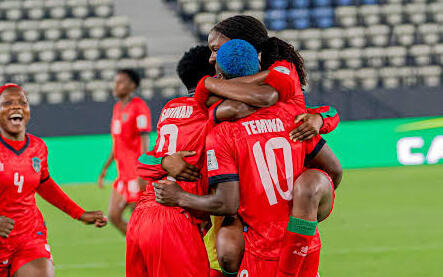
For Malawi, this victory marked an unforgettable debut, as they became the first tournament debutants ever to defeat the Super Falcons, ending Nigeria's historical dominance against first-time participants.
The Scorchers' performance, characterized by disciplined defense, aggressive pressing, rapid transitions, and clinical finishing, highlighted that their victory was earned, not fortunate. Temwa Chawinga's brace, Tabitha Chawinga's goal and the relentless energy shown throughout the team delivered one of the greatest results in the tournament's history.
The road to a record-extending 11th WAFCON title has become significantly more challenging for Nigeria. The Super Falcons now face immense pressure to secure a must-win Group C encounter against Zambia, with African superstar Barbra Banda awaiting.
Failure to address their defensive frailties and improve tactical cohesion could see their title hopes vanish before the knockout stages. Malawi, on the other hand, have firmly announced their arrival as serious contenders for a place in the knockout rounds.