US Government SHUTS DOWN: Trump Eyes Cuts, Europe Watches Anxiously
The US government has shut down amidst a heated political deadlock over healthcare, with Democrats and Republicans clashing over funding and concessions. This unprecedented gridlock threatens significant economic repercussions, particularly for European businesses and global financial markets, with economists estimating billions in potential losses for EU GDP.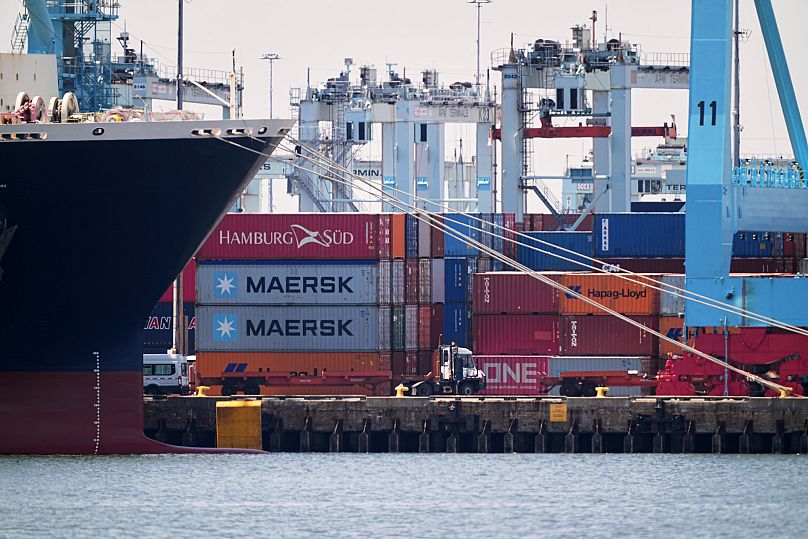
The United States government faced a shutdown on Wednesday, marking the first such event in almost seven years, primarily due to a congressional deadlock over healthcare. Congressional Democrats refused to support a Republican plan to extend funding for federal departments unless specific concessions centered on healthcare were met, a demand which the GOP repudiated, leading to a legislative scramble that ultimately failed to prevent funding from lapsing at midnight.
The political landscape was fraught with blame and strong rhetoric. Donald Trump explicitly blamed Democrats for the stalled talks and threatened to punish the party and its voters during any stoppage by targeting progressive priorities and forcing mass public sector job cuts, claiming that a lot of good could come from shutdowns by enabling the removal of “Democrat things.” Federal agencies reportedly joined this chorus, sending emails and public statements blaming Democrats and “radical liberals in Congress” for the impending shutdown, actions that experts suggested might violate the Hatch Act.
Senate Democrats, led by Chuck Schumer, countered by accusing Republicans of “plunging America into a shutdown, rejecting bipartisan talks, pushing a partisan bill and risking America’s healthcare.” Democrats' key demands included an extension of premium tax credits for Affordable Care Act (ACA) health plans, which were set to expire, and the reversal of Republican cuts to Medicaid, the program for poor and disabled Americans, as well as public media outlets. They also sought to prevent Trump’s use of a “pocket rescission” to further reduce foreign aid, with the total cost of these provisions estimated at $1 trillion. Republicans, conversely, blocked a Democratic proposal to continue funding while also making an array of policy changes, with Senate majority leader John Thune blaming “far-left interest groups and far-left Democrat members” for sacrificing the American people to partisan interests.
The economic ramifications of a US government shutdown extend far beyond its borders, particularly affecting European businesses. As the US is central to the global economy, corporate Europe was urged to brace for significant negative effects that would intensify with the duration of the gridlock. The shutdown halts or scales back many federal operations, such as providing loans or permits, and disrupts the work of government agencies responsible for oversight, thereby slowing economic activity. This timing was particularly precarious, as the US economy was already navigating slower growth, persistent inflation pressures, and increasing financial insecurity.
European trade businesses, already reeling from tariff chaos, faced further instability. A slowdown in US economic activity would inevitably lead to lower US imports, reducing demand for European companies and consequently impacting their growth, revenue, and profitability. Furthermore, European imports arriving in America would encounter less government staff in ports and customs responsible for administrative and regulatory tasks, resulting in delays. These delays could extend delivery times, disrupt supply chains, and lead to unexpected costs for expedited shipping and penalties for missed deadlines.
A critical danger for European companies involves a potential halt in export license approvals or renewals, which are essential for conducting business operations in the US. Without these, companies could find themselves effectively “frozen,” unable to obtain necessary approvals or sell corporate debt. This regulatory uncertainty would leave European exporters in limbo, particularly affecting sectors reliant on US demand like machinery, automotive components, or chemicals, potentially leading to downward stock market swings as investors react to the uncertainty.
Financial markets would also feel the ripple effects. Prolonged uncertainty in the US could lead to rising interest rates on US government bonds, as investors perceive them as higher risk. This would trigger higher rates globally, potentially depressing European stock markets, increasing the cost of financing public deficits, and reducing overall demand due to higher credit costs. Such a rise in rates could elevate the risk of default by over-indebted borrowers, potentially triggering a financial crisis. Geopolitical instability could also increase as the lack of a budget agreement compromises US financial support for certain countries, further depressing business investment and intensifying the existing decline in demand exacerbated by inflation.
Economists estimated a two-week US government shutdown could have a negative impact of €4 billion on EU GDP, escalating to €16 billion if the shutdown extended to eight weeks. The stakes were high, with America’s reputation as a global economic anchor of stability on the line, dependent on the actions of politicians in Washington.
Despite the strong partisan lines, cracks appeared within Democratic ranks. Three Democratic caucus members voted for the Republican funding proposal, citing concerns about the shutdown’s impact on families and the increased power it would grant to the Trump administration. Polls on public opinion regarding the shutdown tactics yielded mixed verdicts, with some indicating a majority opposed a shutdown, while others showed varying degrees of blame allocated to Republicans, Democrats, or both parties. However, as Republican Senator Ted Cruz noted, the party instigating a shutdown historically struggles to achieve its goals, implying an inevitable capitulation after what he described as a “temper tantrum.”