Rubio Advocates Closer US-Europe Relations, Analysts Say Europe Stays Cautious
US Secretary of State Marco Rubio's Munich Security Conference address sparked mixed European reactions, highlighting ongoing trans-Atlantic tensions and the continent's push for security autonomy. His subsequent tour to Central Europe aimed to bolster ties with Trump-aligned leaders, while Russia concurrently expanded military assets near Finland, raising new security concerns.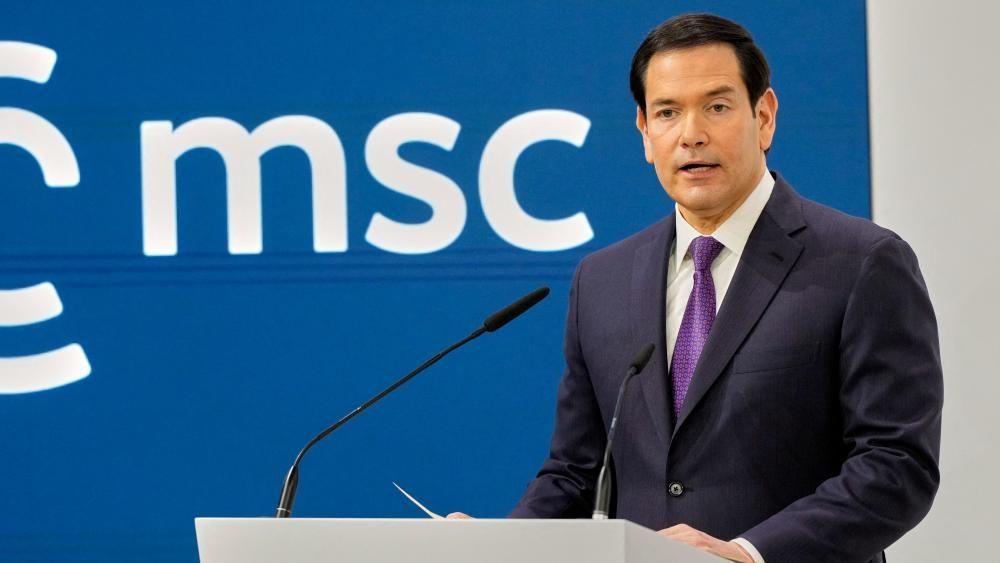
US Secretary of State, Marco Rubio’s address to the Munich Security Conference (MSC) has significantly divided European opinion, with some expressing relief at his softer tone and discussions of an “intertwined destiny” for the US and Europe, while others still felt the impact of his warning of an impending “civilizational erasure” for the continent.
Fabrice Pothier, CEO of Rasmussen Global and former Director of Policy Planning for the NATO Alliance, observed that Rubio’s tone was “much more friendly” than that of US Vice-President, JD Vance at last year’s MSC. However, Pothier cautioned that this should not be seen as an “olive branch,” but merely a way to alleviate the recent painful months, suggesting a “calm before the next tempest” in the trans-Atlantic relationship.
Rubio garnered applause for portraying the US as a “child of Europe” and affirming their common destiny. Yet, he simultaneously called for a renewal of the collective West, criticizing decades of what he termed ill-designed migration, industrial, and climate policies.
He urged European nations to be “proud of their culture and of their heritage” and “willing and able to defend it,” explicitly stating his administration's disinterest in being “polite and orderly caretakers of the West’s managed decline.”
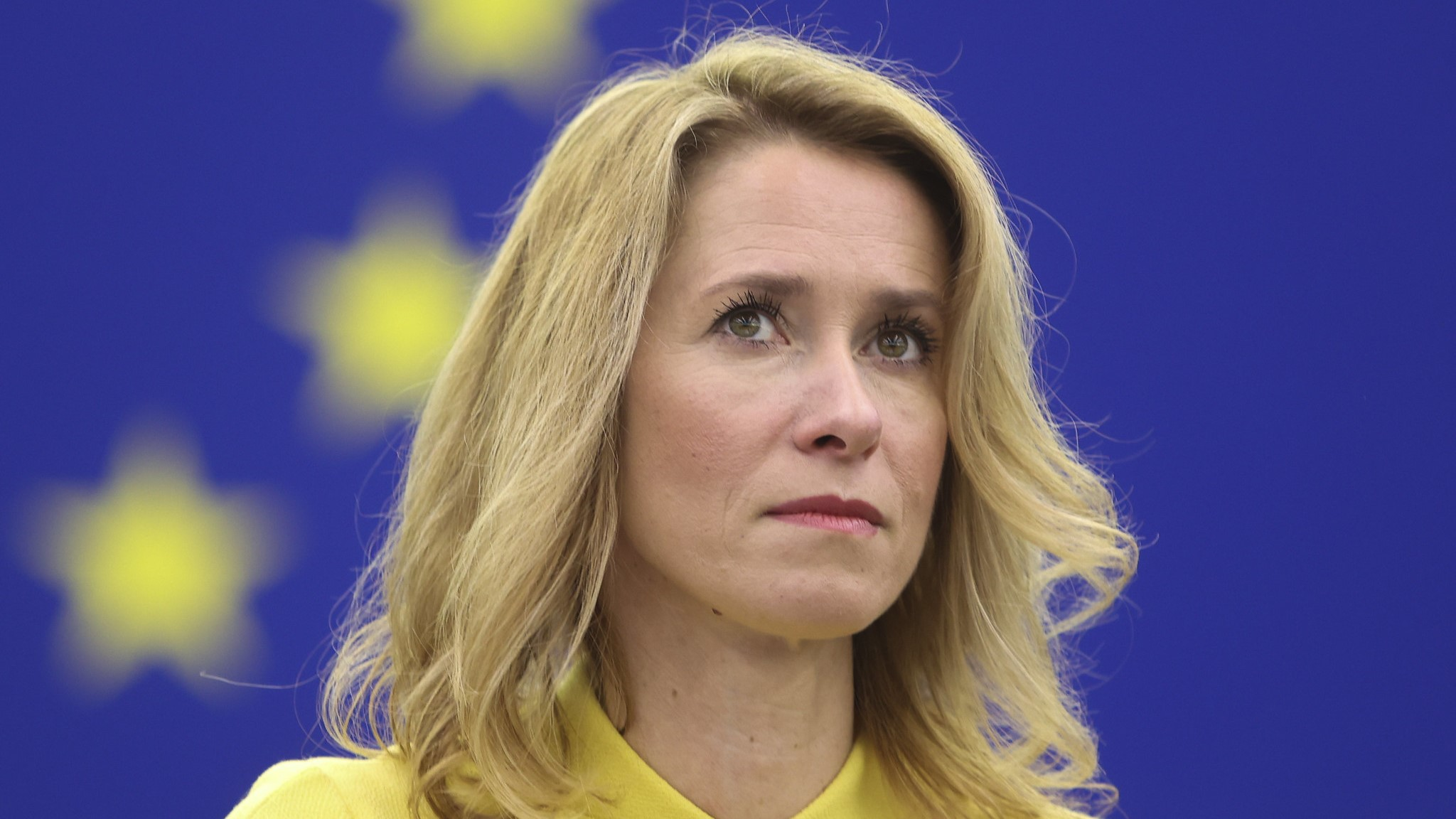
Responding from Munich, EU foreign policy chief, Kaja Kallas firmly pushed back against the narrative, declaring, “Contrary to what some may say, woke, decadent Europe is not facing civilisational erasure,” and called out recent “bashing” of Europe by the US. Her stance contrasted with that of Commission chief, Ursula von der Leyen, who on Saturday expressed reassurance and described Rubio as a “good friend.”
The historical alliance between the US and Europe has faced strain since President Donald Trump took office, with a past US national security strategy accusing European institutions of “anti-democratic restrictions” and warning of a “stark prospect of civilizational erasure.” Pothier highlighted that “the road ahead is still made of many differences,” citing issues like Russia's war in Ukraine and Trump's distinct intentions regarding Greenland.
He noted a “mismatch” between negotiated solutions for Greenland and Trump's “emotional view,” perceiving the territory as merely “a piece of estate,” akin to a “Manhattan real estate mogul.”
Amidst these tensions, a pressing need for Europe to reduce its reliance on the US for its own security has come into sharp focus at the conference. Ursula von der Leyen urged EU leaders to define their commitments to mutual defense by elaborating on the actions a little-known “mutual defence clause” in the EU Treaties should trigger, given brewing uncertainty over NATO’s Article 5 and eroding trust in the US.
Momentum also built for discussions on a European nuclear umbrella, with German Chancellor Friedrich Merz and French President Emmanuel Macron engaging in confidential talks on the issue on the margins of the conference.
France, being the only EU member state with nuclear capacity, has seen its President Macron previously express openness to expanding this deterrence to cover the entire 27-country bloc. Macron told the Munich conference that Europe would need to redesign its security architecture independently as it confronts an increasingly aggressive Russia, with a primary focus on nuclear deterrence.
Following his MSC address, Secretary Rubio embarked on a two-stop tour, visiting Slovakia on Sunday and Hungary today, to bolster ties with Trump-aligned governments.
This tour centered on leaders like Slovakian Prime Minister Robert Fico and Hungarian Prime Minister Viktor Orbán, both nationalist figures whose policies on migration, climate, and Ukraine frequently align with Trump’s agenda, and who are known critics of the European Union.
In Budapest, Rubio’s talks with Orbán are set to focus on “the peace process to resolve global conflicts” and the US-Hungary energy partnership. Hungary was the first European nation to join Trump’s Board of Peace initiative.
The US also granted Hungary a one-year exemption from US secondary tariffs on Russian oil last year, and Hungary signed a deal with the US company Chevron in December to import 2 billion cubic metres of liquefied natural gas (LNG).
Rubio is widely expected to further encourage both governments to divest from Russian energy in favor of American imports. Ahead of Hungary's April elections, where Orbán faces a significant challenge from the opposition Tisza Party led by Péter Magyar, President Trump has already endorsed Orbán.
Meanwhile, Russia is reportedly reinforcing its strategic assets in the Arctic and constructing new facilities along its border with Finland.
Finnish Defence Minister Antti Häkkänen informed Euronews in Munich that Russia maintains most of its largest strategic capabilities, including nuclear, submarines, and long-range bombers, in the Kola Peninsula area—a 100,000 square kilometre region in far northwestern Russia. He warned that Russia is “building new military facilities along our border, the same as (during) the Cold War,” advising vigilance and the development of Arctic capabilities.
Häkkänen, whose country made a historic decision to join NATO after Russia invaded Ukraine, welcomed NATO's renewed defence planning in the High North, pointing to the launch of the enhanced vigilance activity Arctic Sentry.
However, he suggested that the region's security should have been prioritized years ago. He affirmed that Finland’s forces are “fully Arctic” and are prepared to share their expertise with allies to enhance protection in the area.