Unmasking Frida Kahlo: Four Popular Myths Exploded
Frida Kahlo remains one of the world's most celebrated artists, known for her striking self-portraits and deeply personal exploration of identity, pain and Mexican culture. Yet many popular beliefs about her life are either exaggerated or historically inaccurate.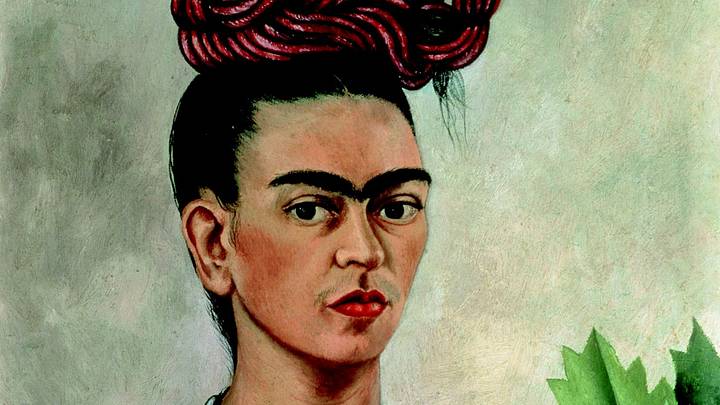
MEXICO CITY, Mexico —She Was Not Born in 1910
Although Kahlo often claimed she was born in 1910 to symbolically align herself with the beginning of the Mexican Revolution, official records show she was actually born on July 6, 1907. The decision reflected her desire to associate her life with Mexico's political and cultural rebirth rather than her true birth year, a fact documented by the Museo Frida Kahlo.
Kahlo Rejected the "Surrealist" Label
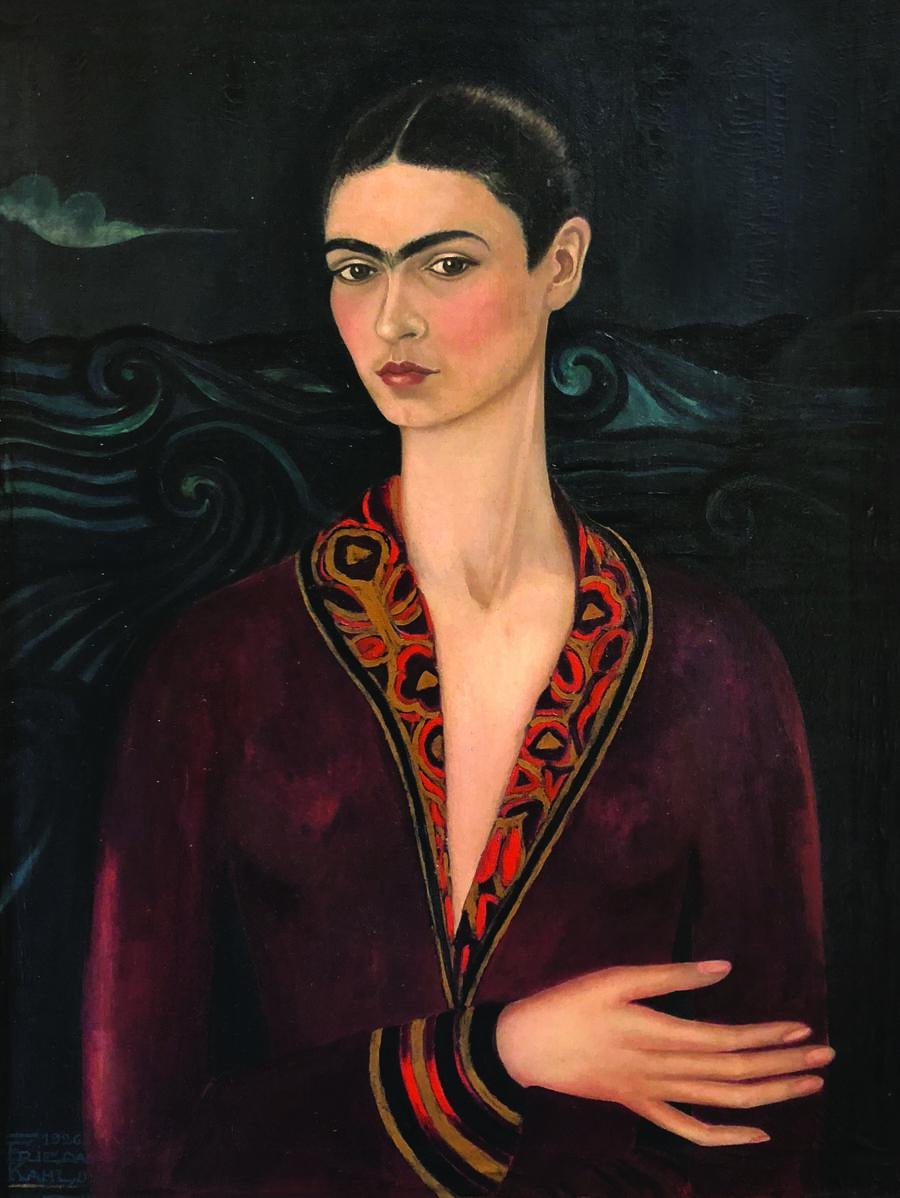
French writer André Breton described Kahlo as a Surrealist and included her work in Surrealist exhibitions. However, Kahlo consistently rejected that description, insisting that her paintings reflected her lived experiences rather than dreams.
She famously said, "I never painted dreams. I painted my own reality," a statement preserved by the Museo Frida Kahlo and widely cited in studies of her work.
She Was Recognized Before Her Death
A common misconception is that Kahlo only became famous after her death. While her reputation expanded dramatically in later decades, she had already earned international recognition during her lifetime.
In 1939, the Louvre Museum acquired her painting The Frame, making her the first 20th-century Mexican artist to have a work purchased by the museum—a milestone highlighted by the Louvre Museum.
She Painted More Than Self-Portraits

Although Kahlo is best known for her self-portraits, they accounted for only about a third of her surviving works. Her artistic vision extended far beyond herself, encompassing politics, Mexican identity, Indigenous heritage and social commentary.
One notable example is My Dress Hangs There, completed in 1933, which critiques consumerism and modern American society without depicting the artist herself. The painting reflects Kahlo's broader political convictions and her enduring engagement with issues beyond personal suffering.
More than seven decades after her death, Frida Kahlo's influence continues to grow. Separating fact from myth offers a fuller understanding of an artist whose legacy was shaped not only by personal hardship but also by her unwavering commitment to art, politics and Mexican identity.