Unlock Your Health Potential: 8 Amazing Ways to Power Up Your Diet with Flaxseeds!
Discover the versatile ways to incorporate flaxseeds into your diet, from breakfast cereals to baked goods and savory dishes. Learn about their nutritional benefits, different forms (whole, ground, oil), and essential storage tips to maximize their health advantages and freshness. This guide details how these tiny seeds can boost your meals and well-being.:max_bytes(150000):strip_icc()/GettyImages-1402215672-4f0d0125865041768cd501fc6d3d008d.jpg)
Flaxseeds, derived from the flax plant (Linum usitatissimum), are small, golden-brown seeds renowned for their exceptional nutritional value. These versatile seeds can be consumed whole, ground, or as flaxseed oil, though ground flaxseeds are generally easier for the body to digest and absorb. Including flaxseeds into one’s diet offers a simple, effective way to boost health, providing essential nutrients such as omega-3 fatty acids (particularly alpha-linolenic acid or ALA), fiber, protein, and lignan antioxidants. These components may help protect against inflammation, diabetes, cancer, and heart disease.
There are numerous convenient ways to enjoy flaxseeds. For breakfast, 1–2 tablespoons of ground flaxseeds can be sprinkled over cooked oatmeal, stirred in during cooking, or mixed with honey, nuts, or fruits. This adds a mild, nutty flavor while subtly enhancing texture. Similarly, ground flaxseeds can be added to cold breakfast cereals, pairing well with various whole-grain options due to their naturally mild taste.
Smoothies also offer an excellent way to incorporate flaxseeds. Blending 1–2 tablespoons into fruit or vegetable smoothies increases nutritional value without noticeably altering texture. For those who enjoy baking, ground flaxseeds can be added to recipes for cookies, pancakes, muffins, and bread. A small portion of flour can be replaced with flaxseeds, or they can simply be added to the batter, though some experimentation may be needed to achieve the best results.
Aside meals, flaxseeds can enhance everyday condiments. Mixing 1–2 tablespoons of ground flaxseeds into mayonnaise, mustard, salad dressings, vinaigrettes, guacamole, or hummus adds nutrients while subtly enriching flavor. Notably, flaxseeds serve as an effective egg substitute in vegan or allergy-friendly recipes for muffins, pancakes, and cookies. To replace one egg, combine 1 tablespoon of ground flaxseed with 3 tablespoons of water, then let it sit for 5–10 minutes until it forms a gel-like consistency that works as a natural binder.
Flaxseeds also complement savory dishes. They can be sprinkled over salads, mixed into grain bowls, added to soups and stews, or used as a binder in burgers, vegetable hash, and meatballs. For yogurt lovers, layering 1–2 tablespoons of ground flaxseeds with fruits, granola, and nuts in yogurt parfaits adds both nutrition and a pleasant crunch.
While flaxseeds are highly beneficial, it is important to note that raw, unripe flaxseeds contain small amounts of cyanide compounds, which may be harmful in high doses. Although the human body can neutralize some of these compounds, experts recommend limiting intake to no more than 1–2 tablespoons per day. Toasting, cooking, or baking flaxseeds effectively destroys these compounds, making them safe for consumption.
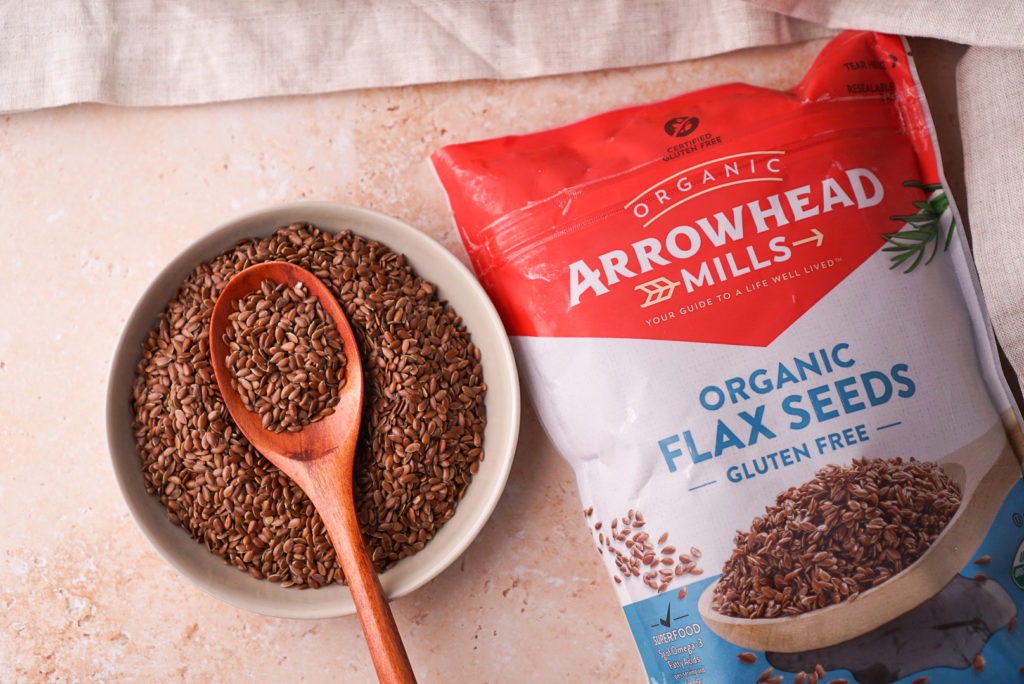
Flaxseeds come in three primary forms, each with distinct characteristics. Whole flaxseeds are rich in fiber, healthy fats, and lignans, but their hard outer shell makes them difficult to digest, limiting nutrient absorption. Ground flaxseeds break this barrier, making nutrients more bioavailable, though they are more prone to oxidation and spoilage. Flaxseed oil is a concentrated source of ALA, but it lacks the fiber and lignans present in whole and ground forms.
To grind flaxseeds at home, a coffee grinder, food processor, or blender can be used. Simply measure 1–2 tablespoons of seeds, place them in the device, and pulse until they reach a fine, powder-like texture. Grinding flaxseeds immediately before use helps preserve freshness and prevent oxidation. Any leftover ground flaxseeds should be stored in an airtight container in the refrigerator or freezer.
Proper storage is crucial for maintaining freshness and potency. Whole flaxseeds have the longest shelf life, up to 20 months when stored in an airtight container in a cool, dark place. Ground flaxseeds, due to their broken outer shell, have a shorter shelf life and should be refrigerated or frozen for up to three months to reduce oxidation. Flaxseed oil is the most delicate form, requiring storage in a glass container in a dark, cool place, where it typically lasts up to six months.
In summary, flaxseeds are a nutrient-dense, health-boosting addition to any diet, offering omega-3s, fiber, and antioxidants. While ground flaxseeds are easiest to digest and incorporate into various dishes, from smoothies and baked goods to savory meals and condiments, whole flaxseeds provide the longest shelf life. Understanding their forms, preparation, and proper storage ensures maximum health benefits from these tiny, powerful seeds.