4 Nuts That Naturally Tackle High Blood Pressure
Discover how various nuts can contribute to better blood pressure and overall heart health. This article explores the specific nutritional benefits of almonds, walnuts, pistachios, and Brazil nuts, highlighting their roles in providing healthy fats, fiber, protein, and essential micronutrients. Learn practical ways to incorporate these beneficial nuts into your daily diet for a healthier lifestyle.:max_bytes(150000):strip_icc()/Health-GettyImages-2205082968-74479e1cd12d42ad97d5832a8d97a0ca.jpg)
Nuts are widely recognized as heart-healthy foods, offering a rich profile of protein, fiber, and beneficial fats.
This unique combination of nutrients may significantly contribute to maintaining healthier blood pressure levels.
While further research is continuously being conducted, certain nuts stand out for their higher concentrations of specific vitamins and minerals, which could provide particular benefits for individuals managing high blood pressure.
1. Almonds: Like many other nuts, almonds serve as an excellent source of fiber and plant-based protein.
Diets abundant in these two essential nutrients have been associated with a reduced risk of high blood pressure, or hypertension.
Almonds also contain vital micronutrients that may aid in blood pressure regulation. An ounce (approximately 28.3 grams) of almonds provides 76.5 milligrams of magnesium, fulfilling 18-25% of the recommended daily intake depending on age and gender.
Research suggests a link between higher magnesium intake and a lower risk of hypertension, although more conclusive evidence is still sought.
Also, almonds offer 7.26 milligrams of vitamin E per ounce, nearly 50% of the adult recommended daily intake.
Vitamin E functions as a powerful antioxidant, helping to limit cell-damaging compounds known as free radicals, which are implicated in the progression of heart disease.
However, studies exploring the direct link between vitamin E and lower blood pressure have shown inconsistent results.
Real-world studies investigating almond consumption and hypertension have demonstrated promising outcomes, often finding that eating almonds helps lower diastolic blood pressure (the bottom number in a reading) but not consistently systolic blood pressure (the top number).
2. Walnuts: Walnuts are not only good sources of protein and fiber but are also exceptionally rich in polyunsaturated, or "healthy," fats.
One ounce (about 14 walnut halves) contains 13.4 grams of polyunsaturated fats, including crucial omega-3s and omega-6s.
These healthy fats offer numerous benefits for heart health; omega-3s can help reduce triglyceride (fat) levels in the blood and mitigate the risk of an irregular heartbeat, while omega-6s play a role in blood sugar control.
Both types of omega fatty acids can contribute to lowering blood pressure. Research on the impact of walnut consumption on blood pressure presents a mixed picture.
Some studies indicate that increased walnut intake is associated with better systolic blood pressure and improved overall blood pressure control.
Conversely, other studies have reported no link or inconclusive results.
3. Pistachios: Pistachios are a nutrient-dense snack, packing protein, fiber, and healthy fats, all of which have been linked to improved blood pressure.
These nuts also contain other heart-healthy nutrients, including a variety of antioxidants such as beta carotene, lutein, zeaxanthin, and vitamin C.

Antioxidants work to reduce oxidative stress, an imbalance of harmful free radical compounds in the body, which could contribute to regulating blood pressure.
Pistachios are also a significant source of potassium, with one ounce (approximately 49 pistachios) providing 8% of the recommended daily intake for men and 11% for women.
Potassium helps relax blood vessels and facilitates the removal of excess sodium from the body, both mechanisms that can enhance blood pressure.
While some research suggests that incorporating pistachios into the diet, especially as a replacement for other foods, could reduce systolic blood pressure, the results are inconsistent, indicating a need for more extensive research.
4. Brazil Nuts: Brazil nuts are notable for their size and their abundance of heart-healthy nutrients.
Just six Brazil nuts provide 2.1 grams of fiber, 4 grams of protein, and 6.9 grams of healthy polyunsaturated fats.
Diets rich in these macronutrients are known to support healthier blood pressure. These nuts are also an exceptional source of selenium.
In fact, a single Brazil nut can contain between 68 and 91 micrograms of selenium. However, it is crucial to limit consumption to no more than 400 micrograms of selenium daily to avoid toxicity.
In appropriate dietary doses, selenium can help reduce inflammation and potentially support overall heart health.
A study identified an association between higher selenium consumption and a lower risk of high blood pressure, though further research is required to confirm these findings.
How To Add Nuts to Your Diet
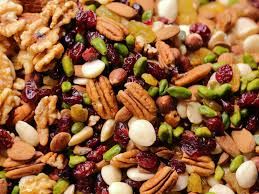
All varieties of nuts are excellent sources of fiber and protein, making them a valuable and healthy addition to any diet.
They possess the potential to lower hypertension risk and offer protection for heart health, especially those nuts endowed with additional heart-healthy micronutrients.
Incorporating almonds, Brazil nuts, walnuts, pistachios, and many other nut varieties into your daily diet is straightforward.
Consider making your own trail mix with nuts, seeds, and raisins; tossing pecans into a spinach salad; adding walnuts and bananas to oatmeal; crumbling pistachios on top of fresh fruit; topping your yogurt with a variety of mixed nuts; or adding slivered almonds to green beans or chopped walnuts to asparagus.