Trump Targets Cuba: New Tariffs Threaten Nations Trading Oil
Former President Donald Trump has signed an executive order enabling tariffs against countries supplying oil to Cuba, intensifying pressure on the financially struggling Communist government. This move, rooted in national security concerns, significantly impacts Cuba's limited resources and creates diplomatic complexities, particularly for Mexico, its primary oil provider.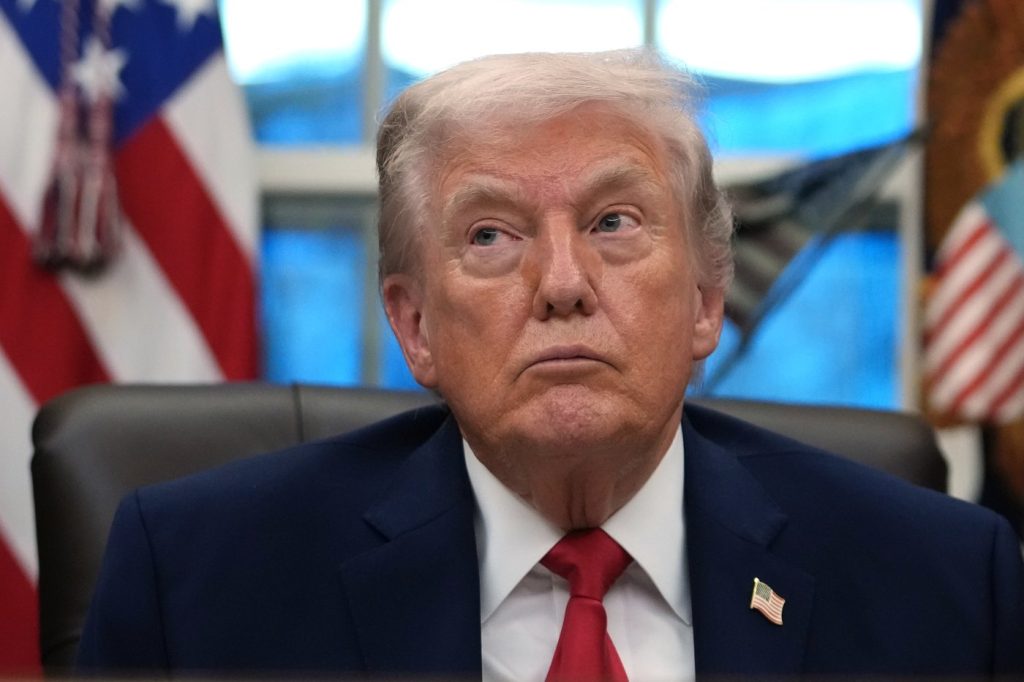
In a significant escalation of pressure against the Cuban government, former President Donald Trump signed an executive order on Thursday, declaring a national emergency to lay the groundwork for imposing tariffs on goods from countries that supply oil to Cuba. This move is part of the Trump administration's broader strategy to challenge the Communist regime, which has ruled the island nation for six decades.
The executive order establishes a process wherein the US secretaries of state and commerce would assess tariffs against nations that sell or otherwise provide oil to Cuba. While specific tariff rates have yet to be disclosed by the White House, the policy is justified by Cuba's alleged ties to hostile powers, including Russia, Hamas, and Hezbollah. The White House asserted that these connections pose "an unusual and extraordinary threat to US national security and foreign policy," necessitating an immediate response to safeguard American interests.
Cuba, an import-dependent Caribbean island with a population of approximately 8 million and a GDP similar to that of Rhode Island ($85 billion), is already facing severe economic challenges. The island has been grappling with limited oil supplies, leading to gasoline rationing and daily electricity blackouts.
Reports from the Financial Times indicate that Cuba possesses only 15 to 20 days' worth of oil inventory. This dire situation has been exacerbated by the loss of Venezuela as its principal oil supplier, a direct consequence of US pressure, including the arrest of Venezuelan leader Nicolás Maduro and his wife on federal drug-trafficking charges.
Donald Trump has openly stated his belief that Cuba is on the brink of collapse, noting, "Cuba will be failing pretty soon. They got their money from Venezuela. They got the oil from Venezuela. They’re not getting that anymore." The economic turmoil has also led to a significant plummet in tourist visits, further straining the island's finances.
Mexico emerged as a crucial player in this geopolitical standoff, having been Cuba's top oil supplier, providing an estimated 20,000 barrels per day for most of the previous year, according to NPR. This quantity represented about a third of the 70,000 daily barrels Venezuela supplied last year, although Cuba reportedly resold a large portion of its Venezuelan crude. The Trump administration had actively pressured Mexico to cease its oil shipments to Cuba.
Mexican President Claudia Sheinbaum initially asserted Mexico's sovereign right to continue fulfilling contractual obligations with Havana and potentially offering humanitarian aid in the form of oil. She stated, "The humanitarian aid will continue, as it does to other countries. Mexico has always shown solidarity with the entire world. They are sovereign decisions."
However, Sheinbaum later acknowledged a temporary pause in Mexican oil shipments, attributing it to fluctuating supplies. Experts like Jorge Piñon of the University of Texas Energy Institute, tracking shipments via satellite, observed a drastic drop from 20,000 bpd to 7,000 bpd following a visit from US Secretary of State Marco Rubio, a fierce opponent of the Cuban regime and son of Cuban immigrants.
Despite the tensions, President Trump characterized a recent phone call with President Sheinbaum as "productive," praising her on Truth Social as Mexico's "wonderful and highly intelligent leader." The discussion reportedly focused on trade and security. Curiously, Sheinbaum later clarified that the topics of Cuba and critical minerals were not discussed during this call, even as both governments continue to address these sensitive issues. This highlights the complex diplomatic dance between the two nations.
The implications of the new tariff threat extend beyond oil, touching upon the critical US-Mexico trade relationship. The US and Mexican governments are currently preparing for negotiations later this year concerning their trilateral trade deal with Canada, the USMCA. This agreement, which replaced NAFTA in 2020, is the backbone of Mexico's economy and has largely shielded it from Trump's tariffs. The USMCA mandates a joint review by July 1, its sixth anniversary, to determine whether to renew it for 16 years or make modifications.
While Sheinbaum expressed optimism about the trade deal's progress, noting it was "coming along very well," US Trade Representative Jamieson Greer has pointed out the deal's "shortcomings," particularly concerning surges in exports and investment from non-market economies. Trump himself has controversially called the USMCA "irrelevant" for the US, despite the highly integrated North American economy. The dynamic surrounding Cuba's oil supply adds another layer of complexity to these vital economic and political discussions.
Meanwhile, other traditional suppliers like Venezuela and Russia are already under extensive US sanctions and tariffs, further isolating Cuba. Cuban President Miguel Díaz-Canel has defiantly stated that the US lacks the moral authority to impose deals on his country, underscoring the deep ideological divide that persists between Washington and Havana.