Trump's New Birth Tourism Crackdown Could Affect Families Planning to Give Birth in the U.S.
After the U.S. Supreme Court blocked Donald Trump's bid to end birthright citizenship, his administration is turning its attention to birth tourism, a move that could mean tougher visa scrutiny for families planning to give birth in the U.S.
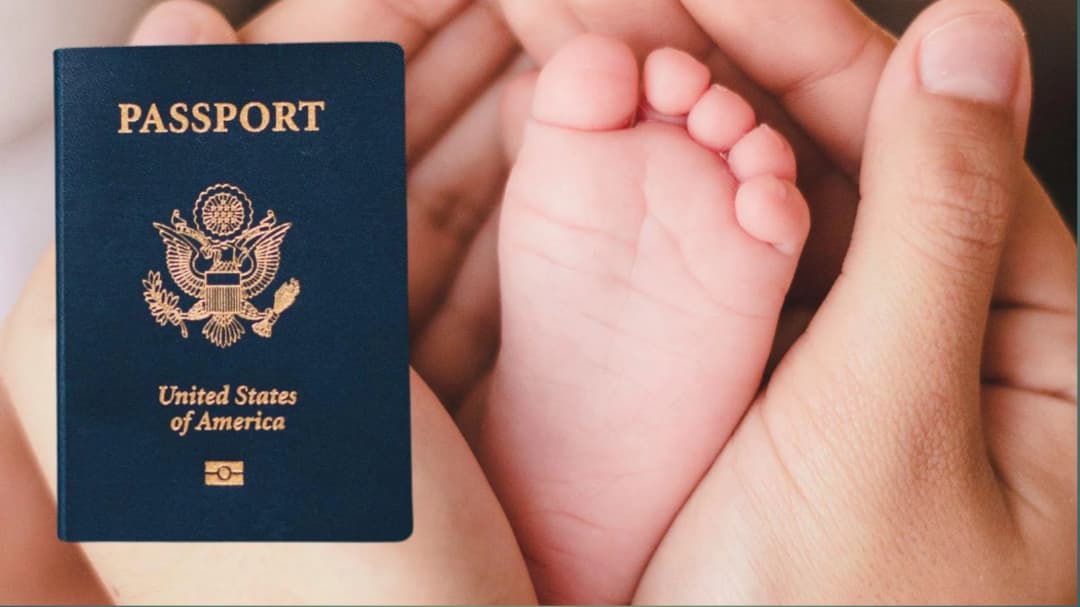
For years, it has been a quiet conversation in many homes in different parts of the world:"What if we have the baby in America?"
It is about giving their child access to opportunities that come with an American passport for some families, while it is simply about securing what they believe is a better future for others.
Now, that option could become more difficult, not because the United States has ended birthright citizenship, but because the Trump administration is going after what it calls birth tourism.
The conversation gained fresh momentum after the U.S. Supreme Court, on June 30, 2026rejected President Donald Trump's attempt to limit birthright citizenship through executive action, reaffirming that children born on U.S. soil remain entitled to American citizenship under the Constitution.
Rather than conceding defeat, the administration has changed tactics.
Within hours of the ruling, the U.S. Department of Justice directed federal prosecutors to prioritise investigations into birth tourism, arguing that some foreign nationals abuse visitor visas by travelling to the United States primarily to give birth and secure citizenship for their children.
A Crackdown, Not a Ban

If you've seen social media posts claiming pregnant women are about to be barred from entering the United States, that's only part of the story.
There is no blanket ban on pregnant women travelling to America.
Instead, the administration is signalling tougher scrutiny for travellers suspected of using visitor visas mainly for childbirth. Reports indicate officials are exploring stricter enforcement while continuing investigations into alleged visa fraud linked to organised birth tourism networks.
That distinction matters.
A pregnant woman travelling for a holiday, business, education or genuine medical treatment is not automatically breaking any law. The concern, according to U.S. authorities, is when someone allegedly misrepresents the purpose of their trip during the visa application process.
Why Nigerians Are Paying Attention
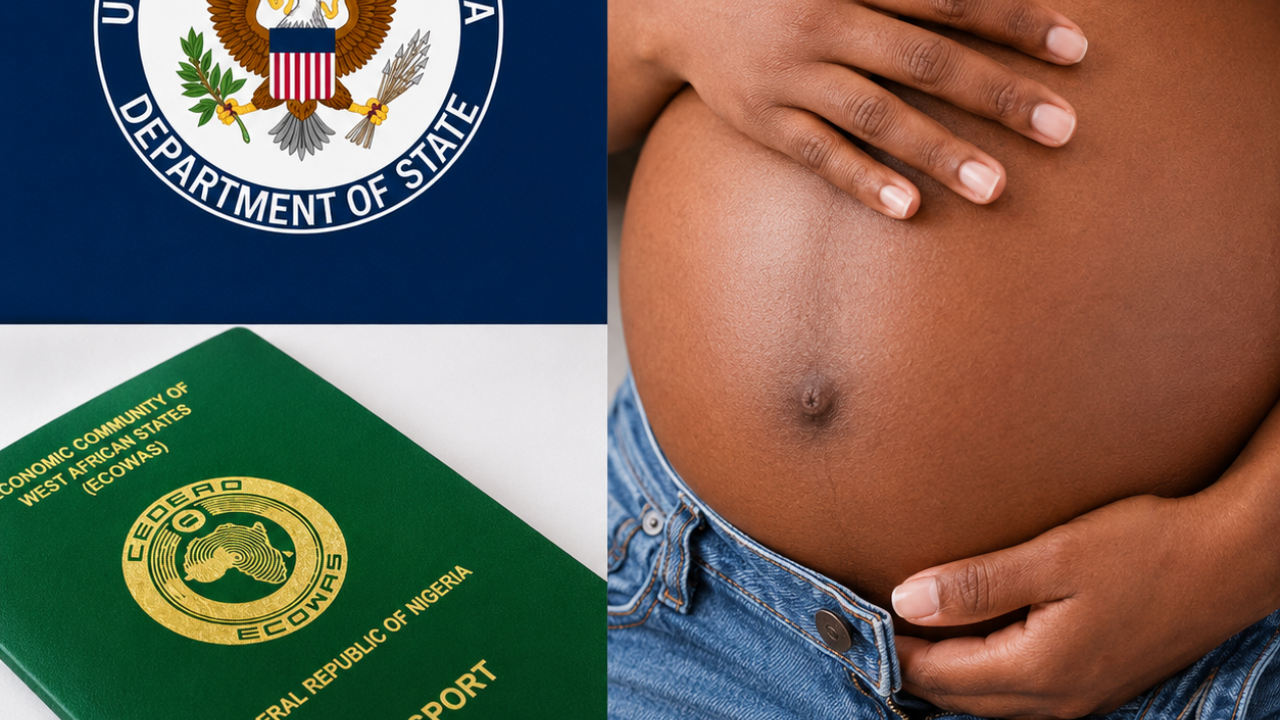
Although the proposed crackdown applies to foreign nationals generally, Nigerians have been paying close attention and for good reason.
The United States has, for years, cautioned Nigerians against travelling on visitor visas primarily to give birth. In 2025, the U.S. Mission in Nigeria warned visa applicants that using a tourist visa mainly to obtain U.S. citizenship for a child could lead to a visa denial or revocation, stressing that applicants must be truthful about the purpose of their travel.
That warning didn't create much panic at the time because it reflected existing visa policy. But Trump's renewed focus on birth tourism has brought it back into the spotlight.
However, Nigerians are far from the only group affected. Families from countries across Africa, Asia and Latin America who consider similar trips could also face increased scrutiny if immigration officials believe childbirth, not tourism, is the primary reason for travelling.
Why Trump Is Taking This Route
Birthright citizenship has been one of Trump's signature immigration battles.
His administration argued that children born to temporary visitors or undocumented immigrants should not automatically become American citizens. But the Supreme Court ruled that such a change cannot be achieved through executive action because the Constitution's 14th Amendment protects birthright citizenship.

With that legal route blocked, the administration is now focusing on preventing what it considers abuse before it happens.
In other words, if birthright citizenship cannot easily be changed, birth tourism becomes the next battleground.
What Could Change for Travellers?

The biggest change may not be a new law but a different experience during the visa process.
Applicants could face more detailed questions about their travel plans, financial arrangements and intended length of stay. Consular officers already have the authority to refuse visas if they believe an applicant has misrepresented the purpose of a visit, and the latest directive suggests that authority may now be exercised more aggressively in suspected birth tourism cases.
That does not mean every pregnant woman applying for a visa will be turned away.
It does mean that applicants whose travel plans appear inconsistent or whose explanations raise concerns may encounter greater scrutiny than before.
For now, one thing is certain: birthright citizenship remains the law in the United States. What is changing is the administration's determination to stop what it sees as exploitation of that law.
For families considering childbirth in the United States, the message is not that the door has been shut. Rather, it is that getting through that door may now require more transparency, more documentation and much closer scrutiny than before.
For Nigerians, whose visa applications have long been subject to careful assessment, the renewed focus on birth tourism is likely to reinforce that scrutiny rather than introduce an entirely new policy.