Tribes You Should Know: The Bwatiye, the Kamwe, and the Nigeria That Doesn't Trend
A deep dive into the Bwatiye and Kamwe of Adamawa State—two resilient Nigerian groups with rich histories, resistance stories, and cultures that rarely make the spotlight.
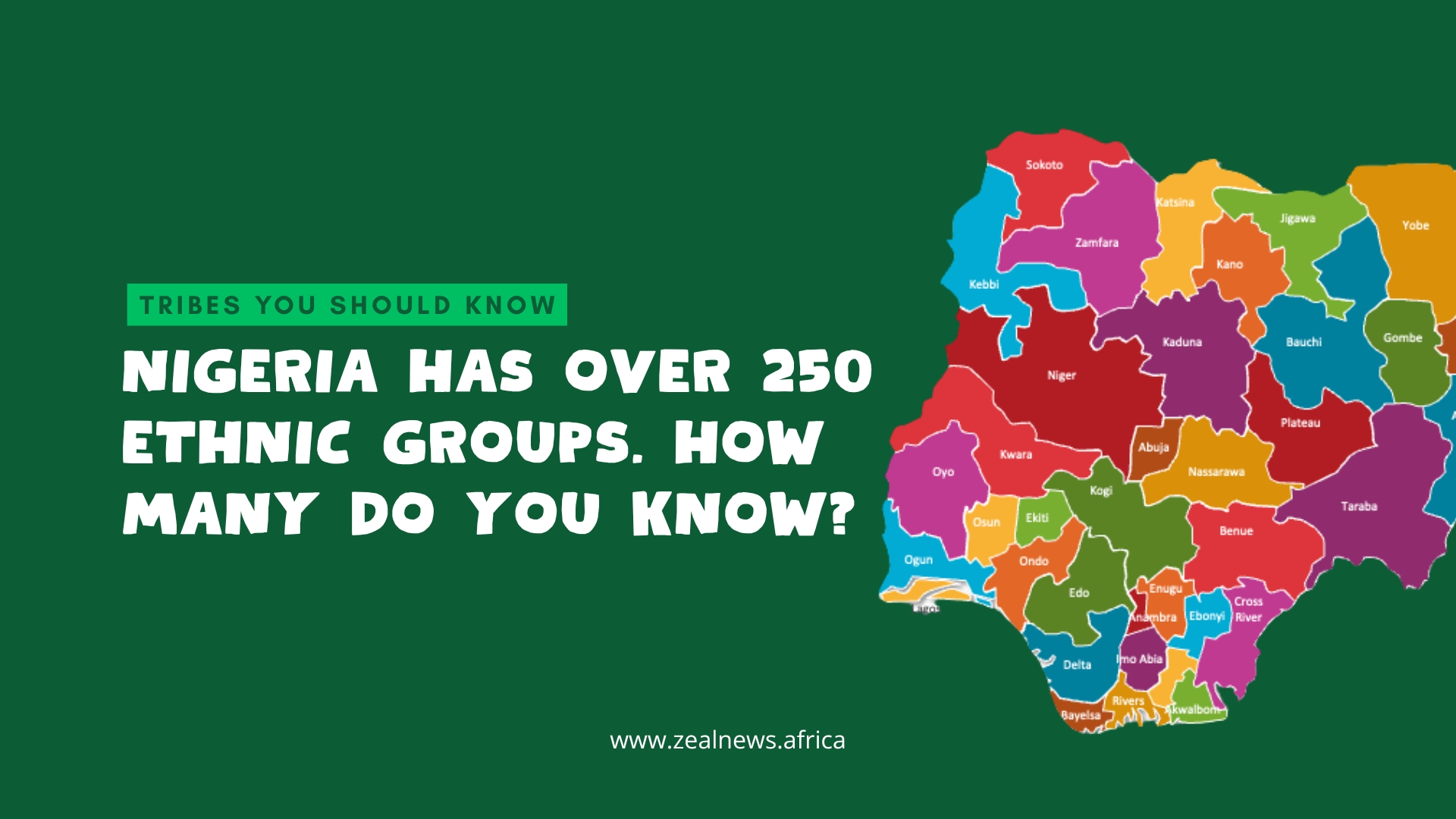
If you have been following this series, you already know about the Ebira and the Gbagyi, two peoples whose histories, honestly, had no business being this underexplored.
And yet here we are again, because Nigeria keeps proving that the deeper you dig, the more you find.
This time, we are heading northeast to Adamawa State. To the Bwatiye and the Kamwe, two groups who held kingdoms, fought off jihadists and built entire civilisations that most people have never even Googled.
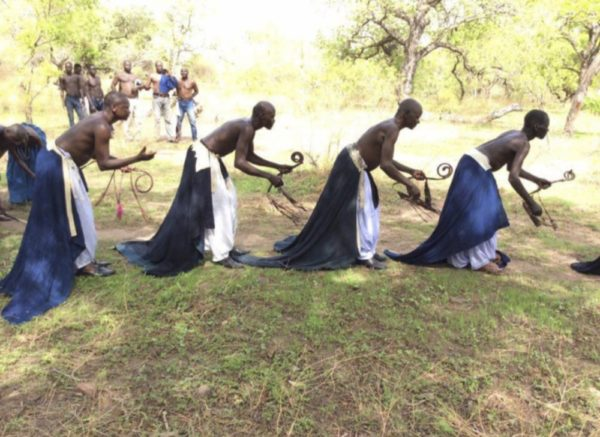
The Bwatiye: Warriors Who Refused to Be Conquered
If you searched "Bwatiye" right now, you would find scattered references and a few blog posts. But behind the limited internet footprint is a people with a centuries old identity that refused to be swallowed up.
The Bwatiye are primarily found in Numan, Demsa, Lamurde, and Girei local government areas in Adamawa State, with communities stretching into Cameroon.
The name is an umbrella identity which was formally adopted in 1979 when the Gongola State government officially approved the Bachama and Bata people's request to unite under one name.
Their origin story is wild in the best way. The Bwatiye trace their roots to theGobir people, a group once occupying territory around present day Niger and Northwestern Nigeria, known for battle prowess and craftsmanship.
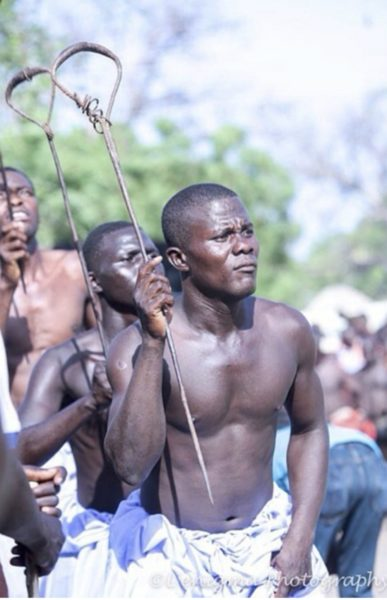
Pressure from the Tuareg pushed them south, and later, conflict with the Bornu Empire pushed them further until they settled in Adamawa State. They arrived battle-hardened.
One of the most remarkable chapters of Bwatiye history came during theFulani Jihadof the early 19th century. While many groups across the region were absorbed or overthrown, the Bwatiye held their ground.
Their culture is equally rich. TheVunon/Farei festival brings together multiple groups — Demsa, Mbula, Numan, and Lamurde — to worship shared deities and declare the farming season open.
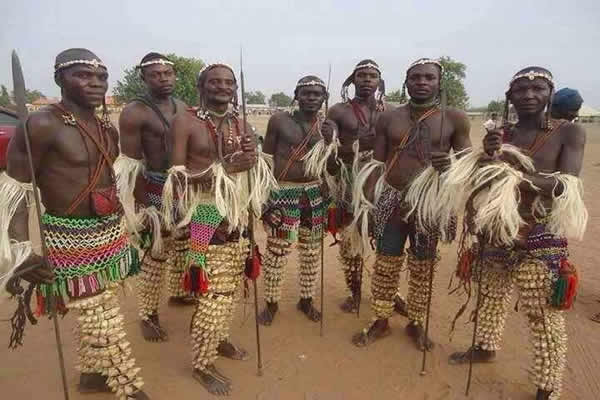
And then there is the folshe, a second burial ceremony deeply rooted in the belief that a person who dies still moves among the living until spiritual judgment is carried out by Won, the god of death.
The righteous pass into the kingdom of Homun-Pwa, the god of the sky. The unrighteous would face Won’s wrath.
Culture
Read Between the Lines of African Society
Your Gateway to Africa's Untold Cultural Narratives.
Even naming is personal here. Names reflect the circumstances of birth like most tribes inside the borders of Nigeria.
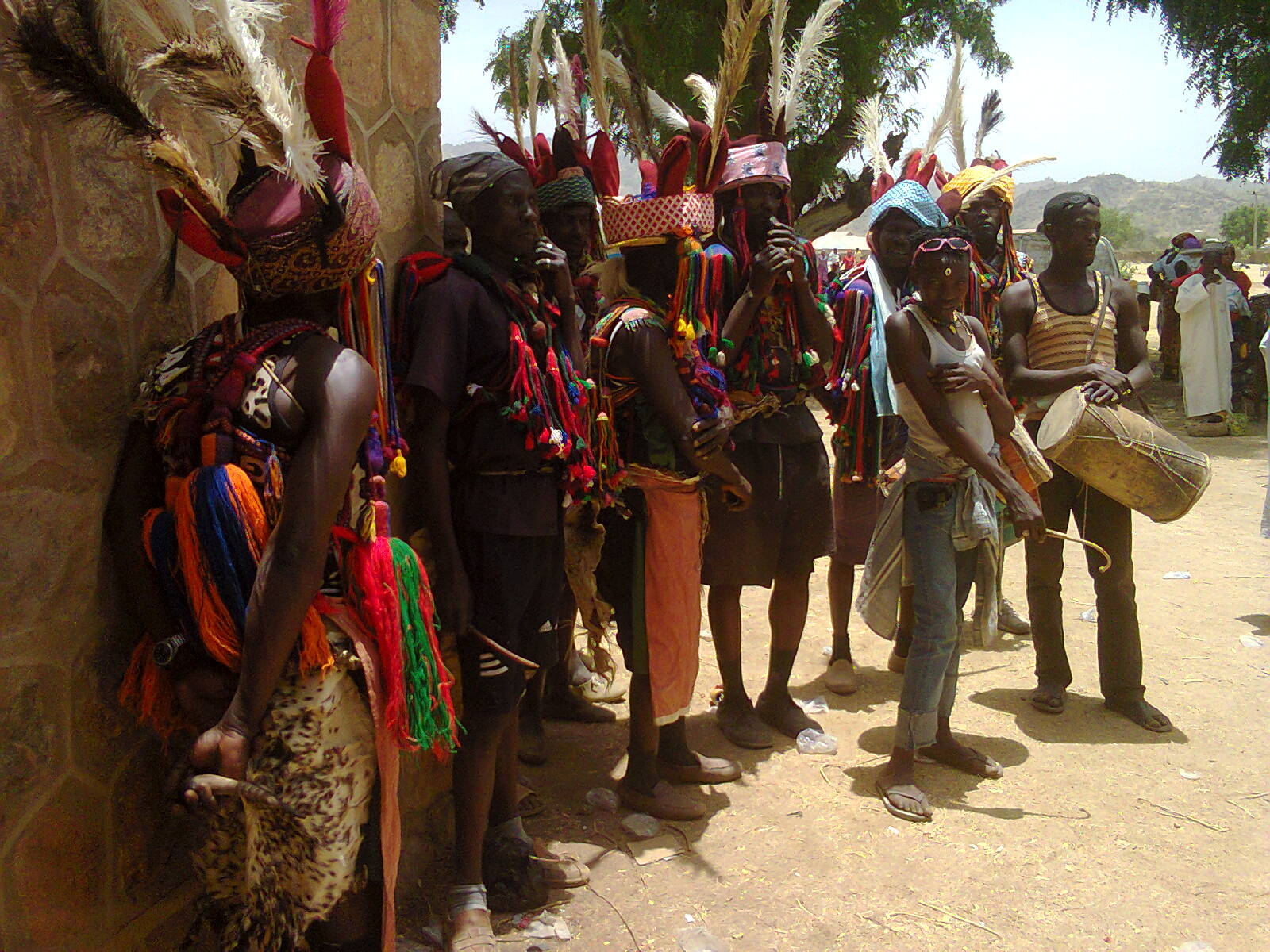
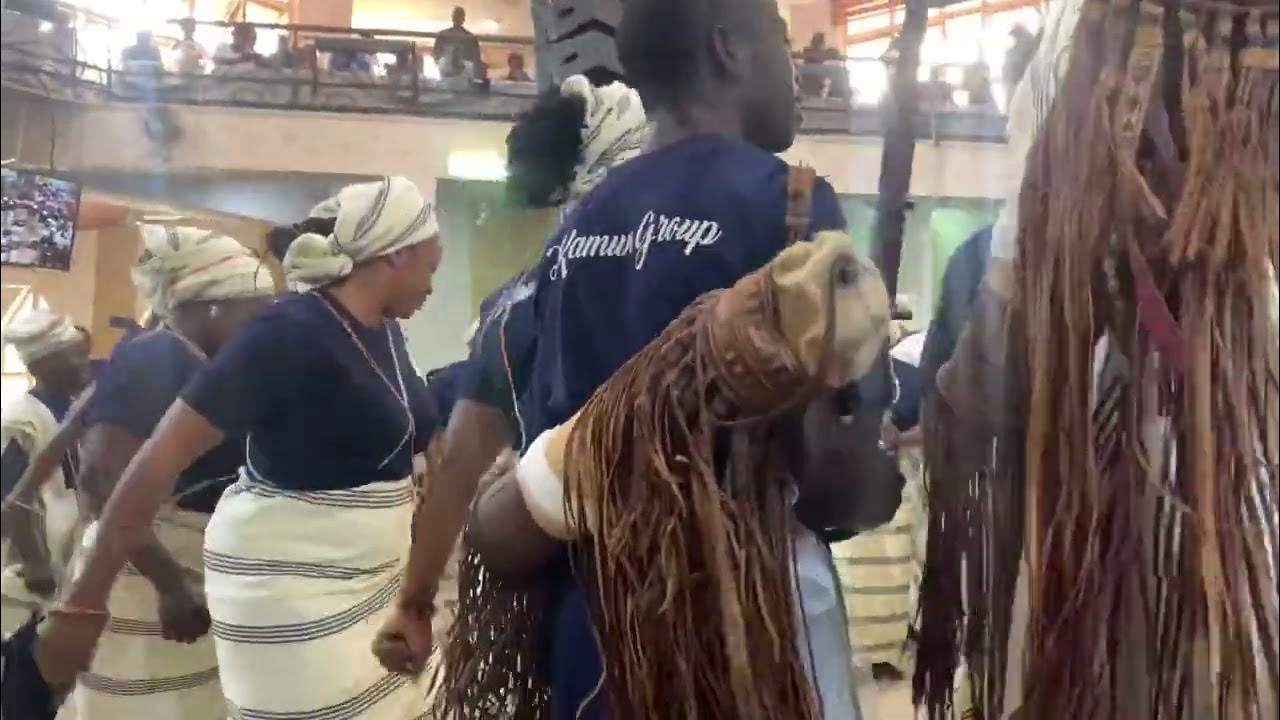
The Kamwe: People of the Hills, Children of Resistance
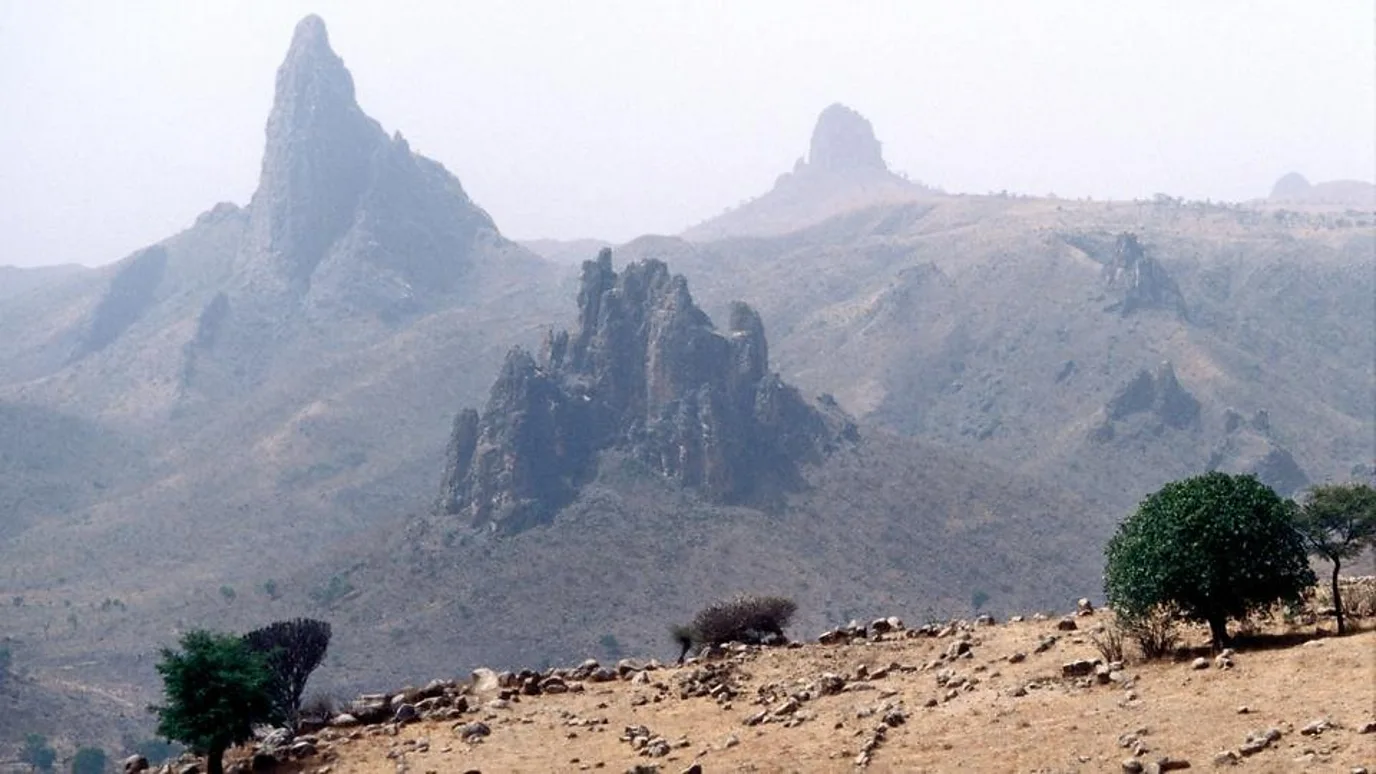
"Kamwe" combines "Ka" and "Mwe," which literally means people of the hills.
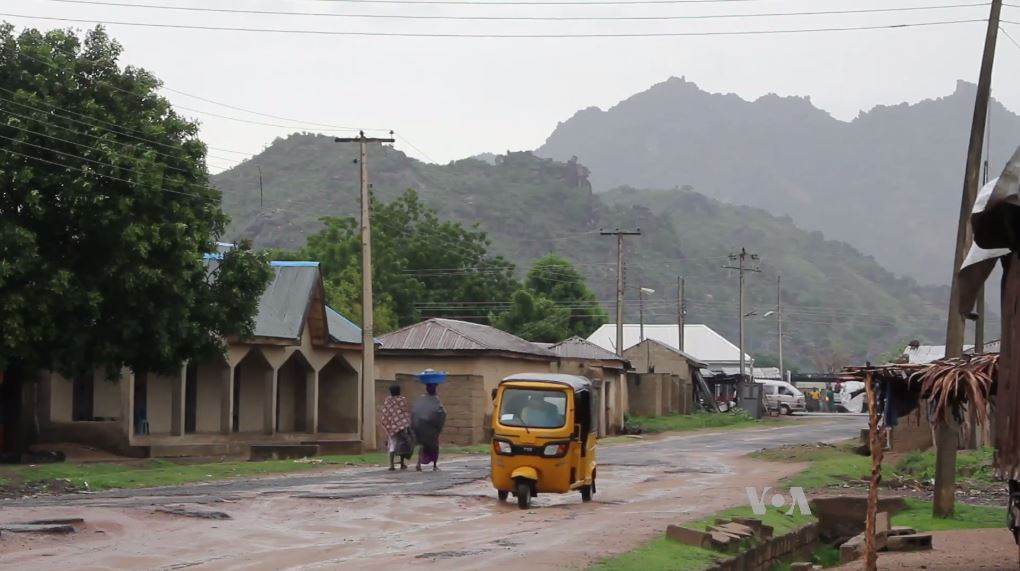
Their ancestral home is Michika, in the Mandara Mountains of northeastern Adamawa State.
The name, Michika, comes from the Nkafa phrase "Mwecika," meaning to creep silently while hunting, which is a reference to Kwada Kwakaa, their legendary warrior founder who hunted lions and leopards alone.

Oral tradition traces the Kamwe to a figure named Gelmai, believed to have migrated from Ethiopia around 900 CE.
His descendants established settlements like Sukur, Sina, and Zah. By around 1200 CE, the Michika Kingdom had formed as a political and spiritual institution, centuries before many celebrated kingdoms elsewhere were founded.
For decades, the Kamwe were called "Higi," a name given by their Margi neighbours. The word traces back to "hagyi," meaning grasshopper, used to mock Kamwe women.
The Kamwe protested the label, but colonial missionaries documented it anyway in the 1930s, and it stuck. Many Kamwe communities today actively push back, insisting on their chosen name.
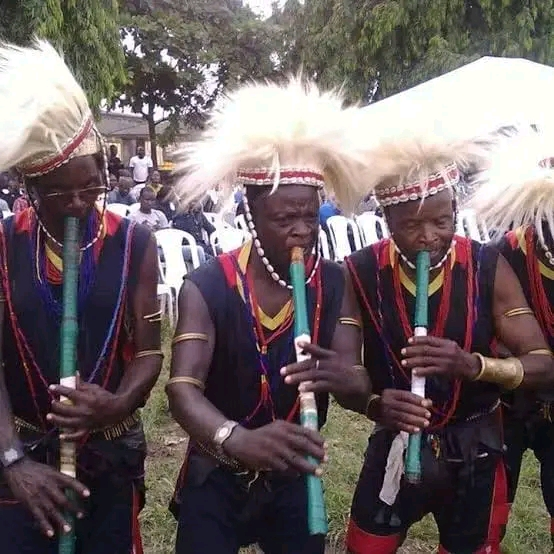
Their resistance runs deeper than grammar. The Kamwe survived Fulani slave raids, resisted Islamisation, and endured violent campaigns by slave raiders in the early 20th century.
When Christian missionaries arrived in the 1940s with what Kamwe accounts describe as a more open approach, many converted but on their own terms.
Before any of this, the Kamwe had organised governance. The Mbege served as king and chief adjudicator.
They had a religious system centered on Hyalatamwe, a supreme heavenly being, and 24 dialects of their language, Vecemwe.
The Kamwe had theology long before anyone showed up to offer them one.
Culture
Read Between the Lines of African Society
Your Gateway to Africa's Untold Cultural Narratives.
In 2025, the Adamawa State government formally restored the Michika Kingdom, suspended since 1909. That is over a century of erasure being undone.
Why This Matters
The Nigeria that doesn't trend is not less Nigeria.
The Bwatiye and the Kamwe should not be on the sidelines, they are people with kingdoms, festivals, philosophies, and resistance histories that shaped this country long before colonial borders were drawn.
So the next time someone asks you about Northern Nigeria, don’t ignorantly lump all of them into the Hausa/Fulani category.
Talk about the warriors of Numan who resisted a jihad. Talk about the hill people of Michika who hunted lions and refused to be renamed.
That Nigeria has always been there, waiting to be known.