Tony Elumelu Is Walking Away From UBA To Chase A Bigger Empire What Is Next For Him?
After 12 years leading UBA's boardroom, Tony Elumelu is stepping down. What he's moving into next says a lot about where Africa's next big money is headed.
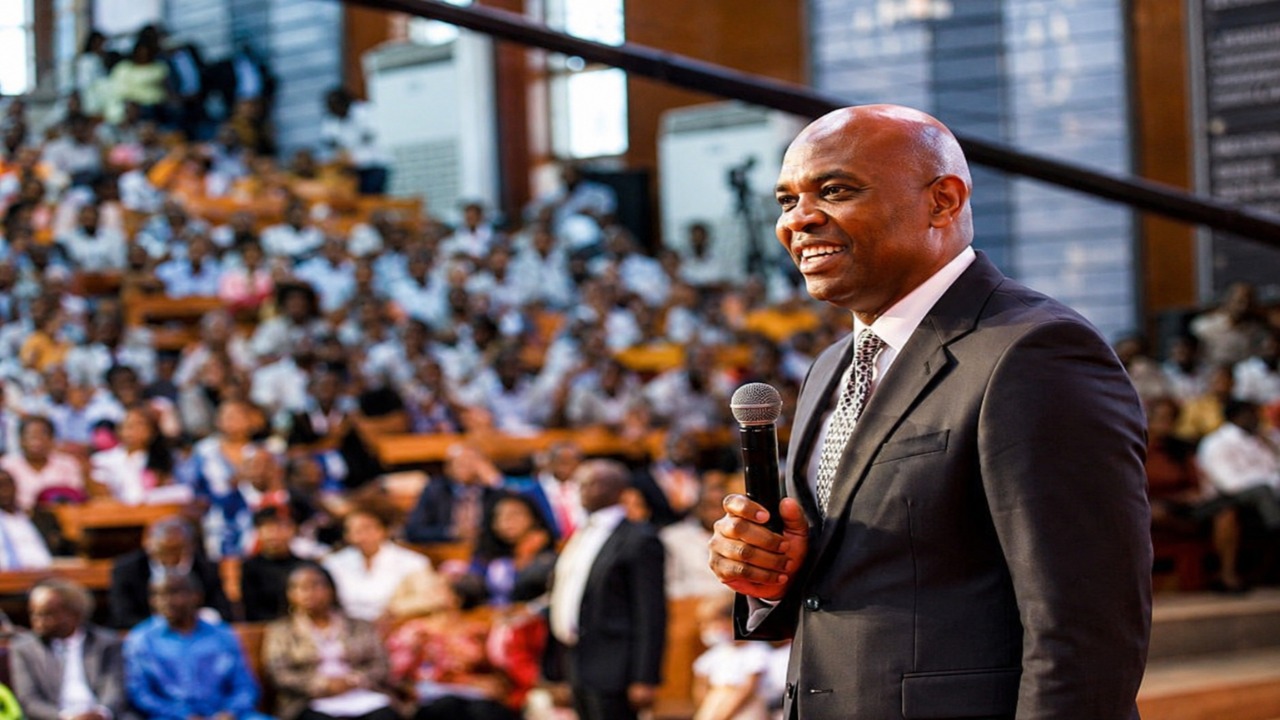
Tony Elumelu will step down as chairman of United Bank for Africa in August 2026, closing out twelve years at the top of one of the continent's largest banking groups. His exit is scheduled for August 21, and it is happening because he has reached the tenure limit the Central Bank of Nigeria imposes on non-executive directors, not because of any boardroom dispute or regulatory trouble.
UBA's board has already lined up his replacement. Emmanuel Nnorom, currently serving as a non-executive director at the bank, will take over as group chairman on the same day Elumelu departs. There is no gap, no interim arrangement, no scramble to find a successor. The handover reads as something planned months in advance rather than assembled at the last minute once the tenure clock ran out.
A Long Banking Career That Started With a Distressed Bank in 1997
Elumelu's relationship with UBA did not begin with UBA at all. It began in 1997, when he acquired a struggling institution called Crystal Bank and rebuilt it from the ground up under a new name, Standard Trust Bank.
According to UBA's own corporate history, the bank's financial position moved from ₦6.49 million to ₦473 million within just seven months of that takeover.
That single statistic tells you most of what you need to know about how Elumelu approached distressed assets early in his career: aggressively, and with results that showed up fast.
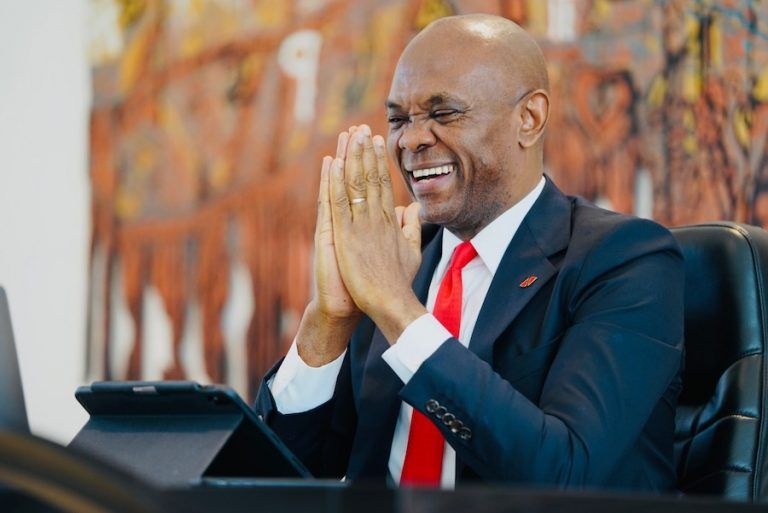
In 2005, Standard Trust Bank merged with United Bank for Africa in what became one of the largest banking mergers in sub-Saharan Africa at the time. The merger placed Elumelu at the center of a much larger institution, one with ambitions that extended well beyond Nigeria's borders.
He served as UBA's group managing director and chief executive from that point until 2010, when he stepped down after the Central Bank introduced a ten-year tenure limit for bank CEOs, a rule designed to prevent the kind of long-term concentration of control that had become common in Nigerian banking.
Elumelu did not disappear from UBA during his years away from the CEO role. He returned in 2014, this time as chairman rather than chief executive, and has held that position for the twelve years now coming to an end.
The shift from CEO to chairman gave him a different kind of influence, less involved in daily operations, more focused on strategic direction and the bank's long-term positioning across the continent.
UBA's Growth Across Africa Under Elumelu's Chairmanship
The numbers from Elumelu's chairmanship years are hard to ignore. UBA now serves more than 50 million customers and operates in 20 African countries, with a presence stretching across four continents.
A bank that started as a Nigerian institution built almost entirely around domestic retail and commercial banking now functions as a genuinely continental platform, competing with other major pan-African banking groups for market share in countries far from its Lagos headquarters.
Elumelu marked his departure with a social media post that framed the moment as a sign of institutional maturity rather than any kind of retreat. He wrote that leadership is not about holding onto a position, but about recognizing when an institution is ready for its next chapter.
He also described the broader arc of his time at UBA in a single line: that he and his team took a Nigerian bank and made it an African one, calling it Africa's global bank.
UBA's board responded in kind, placing on record what it called its profound appreciation for Elumelu's visionary leadership and his contribution to the bank's strategic vision and institutional strength.
That language, formal as it is, points to a transition that both sides appear to have treated as a milestone worth marking properly rather than a routine changeover to move past quickly.
Elumelu also used the moment to publicly back his successor. He said he has every confidence in Nnorom's ability to lead the bank, citing his experience and deep understanding of the institution as reasons the transition should provide continuity rather than disruption.
Coming from the outgoing chairman himself, that endorsement carries weight with shareholders and regulators watching how smoothly the handover unfolds.
A Bigger Move Into Oil and Gas Is Already Lined Up
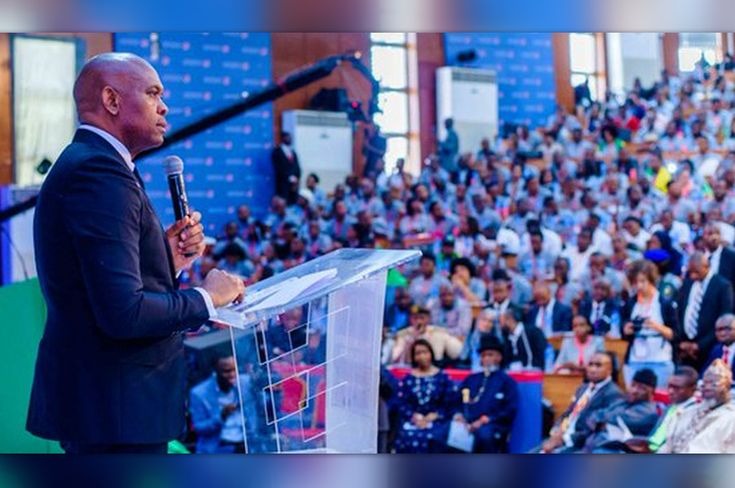
Elumelu's departure from UBA is not a step back from business. It is a redirection, and the next stop was confirmed before he even left the first one. Seplat Energy has already announced that Elumelu will become its chairman starting January 1, 2027, a move directly tied to Heirs Energies' acquisition of a 20.07 percent stake in Seplat, a deal valued at approximately $500 million.
The gap between his UBA exit in August 2026 and his Seplat appointment in January 2027 is just a few months, suggesting this was coordinated well in advance rather than a decision made in response to leaving UBA.

This pivot fits a pattern that has defined Elumelu's career for two decades. His business interests already span finance, power, energy, hospitality, healthcare, and technology, alongside his philanthropic work through his foundation. Stepping down from UBA's chairmanship does not shrink that footprint.
If anything, it frees up his attention at exactly the moment Heirs Energies is expanding aggressively into the energy sector through acquisitions like the Seplat stake.
Oil and gas represents a different kind of investment than banking, with different risk profiles, different regulatory environments, and different exposure to global commodity price swings.
For someone who built his reputation restructuring a distressed bank into a continental banking group, moving into the chairmanship of an oil and gas company signals a bet that the next major wealth-creation opportunity in African private capital sits in energy rather than financial services.
Given how much capital Heirs Energies has already committed to the Seplat deal, that bet appears to be a serious one rather than a symbolic board appointment.
What Emmanuel Nnorom Inherits, and What Elumelu Takes With Him
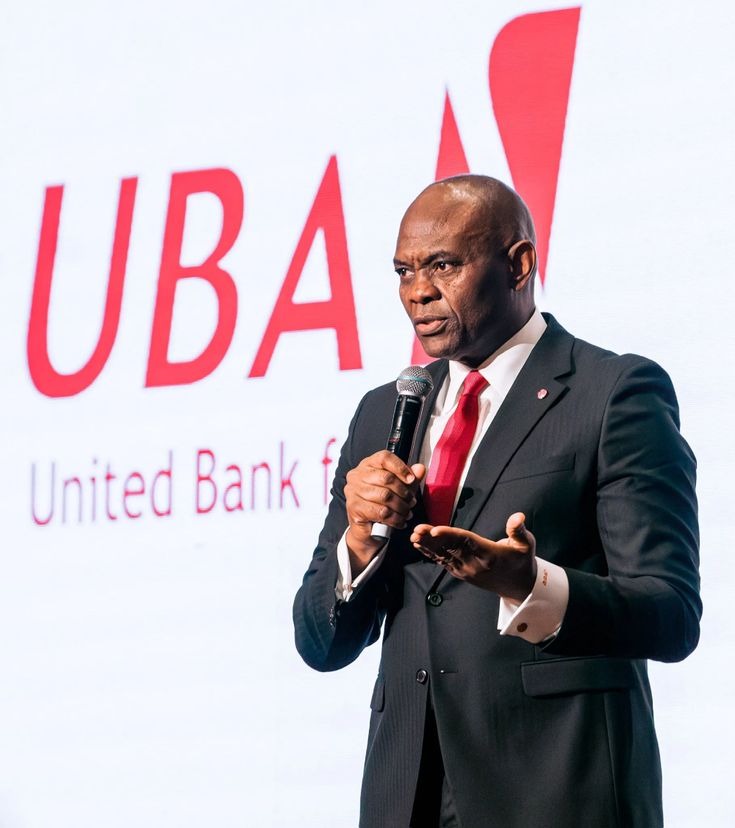
Nnorom now takes over a bank that looks nothing like the one Elumelu inherited in 2014. It spans 20 countries, serves tens of millions of customers, and carries the institutional weight of being one of the continent's most recognizable financial brands.
Whether Nnorom focuses on consolidating that footprint or pushes UBA into new markets will likely become the standard by which his own chairmanship gets measured, inevitably in comparison to Elumelu's twelve years at the helm.
For Elumelu, the move into Seplat's chairmanship extends a career that has already moved from distressed banking assets in 1997, through one of sub-Saharan Africa's largest bank mergers in 2005, into a twelve-year run building a genuinely pan-African banking group.
Energy is the next chapter, and given the timing and scale of the Heirs Energies deal behind it, it looks like one he has been positioning for well before the UBA announcement became public.