Nigeria Rugby Trains 80 Coaches, Referees and Medical Officers in Abuja
The Toronto Film Festival (TIFF) 2026 features a compelling lineup of international cinema, highlighted by Feng-i Fiona Roan’s anticipated second feature, “Happily Ever After,” which explores sisterly dynamics and breaks from autobiography. The festival also showcases a diverse range of global talents, including U.K. premieres with notable stars and Platform selections vying for Oscar consideration.
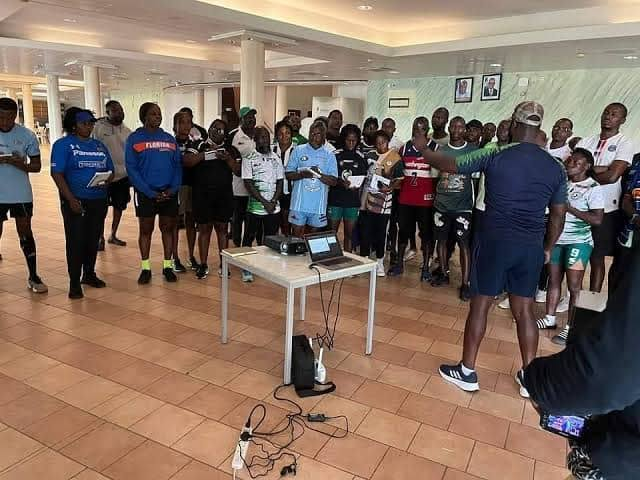
The Nigeria Rugby Football Federation has completed a three-day World Rugby training programme in Abuja aimed at strengthening the country's coaching, refereeing and medical capacity.
About 80 participants took part in the course, which brought together coaches, referees and medical personnel as the federation looks to build a stronger technical foundation for rugby across Nigeria.
NRFF Wants Training to Reach the States
NRFF President Dr Ademola Are urged participants to take the knowledge gained from the programme back to their respective states and communities.
He called on the newly trained personnel to work closely with state rugby associations, sports councils and ministries of sports to expand participation and improve the organisation of the game.
Are said sustainable rugby development would require stronger cooperation among the different stakeholders involved in the sport.
Nigeria Building Its Own Rugby Educators
Robert Bwari, World Rugby's East and Southern Africa Game Growth Manager, said Nigeria had made significant progress in developing its coaching, refereeing and medical structures.
He noted that the country now has World Rugby-certified educators capable of conducting training locally, reducing the need to regularly bring educators from outside Nigeria.
According to Bwari, the growing number of coaches and referees entering the sport is one of the most encouraging developments.
Federation Focuses on Human Capital
The training is part of the NRFF's broader effort to develop the people responsible for growing the sport at grassroots and professional levels.
Newly appointed NRFF Technical Director Angulu Suleiman described the programme as a foundation that participants must now build upon.
He urged the coaches, referees and medical officers to take responsibility for developing rugby in their communities rather than treating the course as the end of their training.
Developing the Next Generation
NRFF board member and World Rugby-certified instructor Wuraola Hussain said the federation's continued investment in technical education could help create a stronger pipeline of coaches, referees and players.
The expectation is that participants will pass their knowledge on to others, creating a multiplier effect across Nigeria's rugby community.
The federation also highlighted the contribution of its ambassadors and technical personnel in supporting the sport's development.
What This Means for Nigerian Rugby
For a sport that remains smaller than football, basketball and athletics in Nigeria, expanding the pool of qualified technical personnel is essential to building a sustainable system.
The Abuja programme therefore represents more than a three-day course. Its real value will depend on whether the participants can turn the training into better coaching, officiating, player development and medical support at state and grassroots levels.
If that happens, the investment could help Nigeria develop a deeper rugby structure capable of producing more players and competing more consistently on the African stage.