The World Cup Medal: What Is The Story Behind María Williams' Journey From Ghana to Spain?
A World Cup medal was the final chapter. María Williams' journey from Ghana to Spain was where the story of Nico Williams truly began.
It's no longer news that Spain are the 2026 FIFA World Cup champions. By now, football fans have seen Ferran Torres' winning goal, the trophy lift and the celebrations that followed.
But one moment after the final has refused to fade.
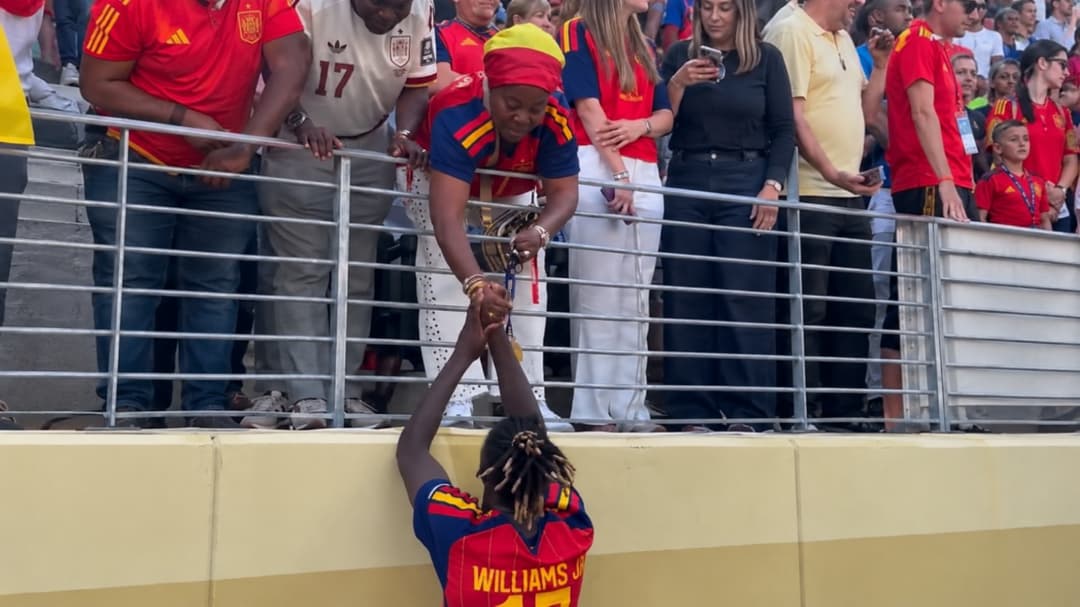
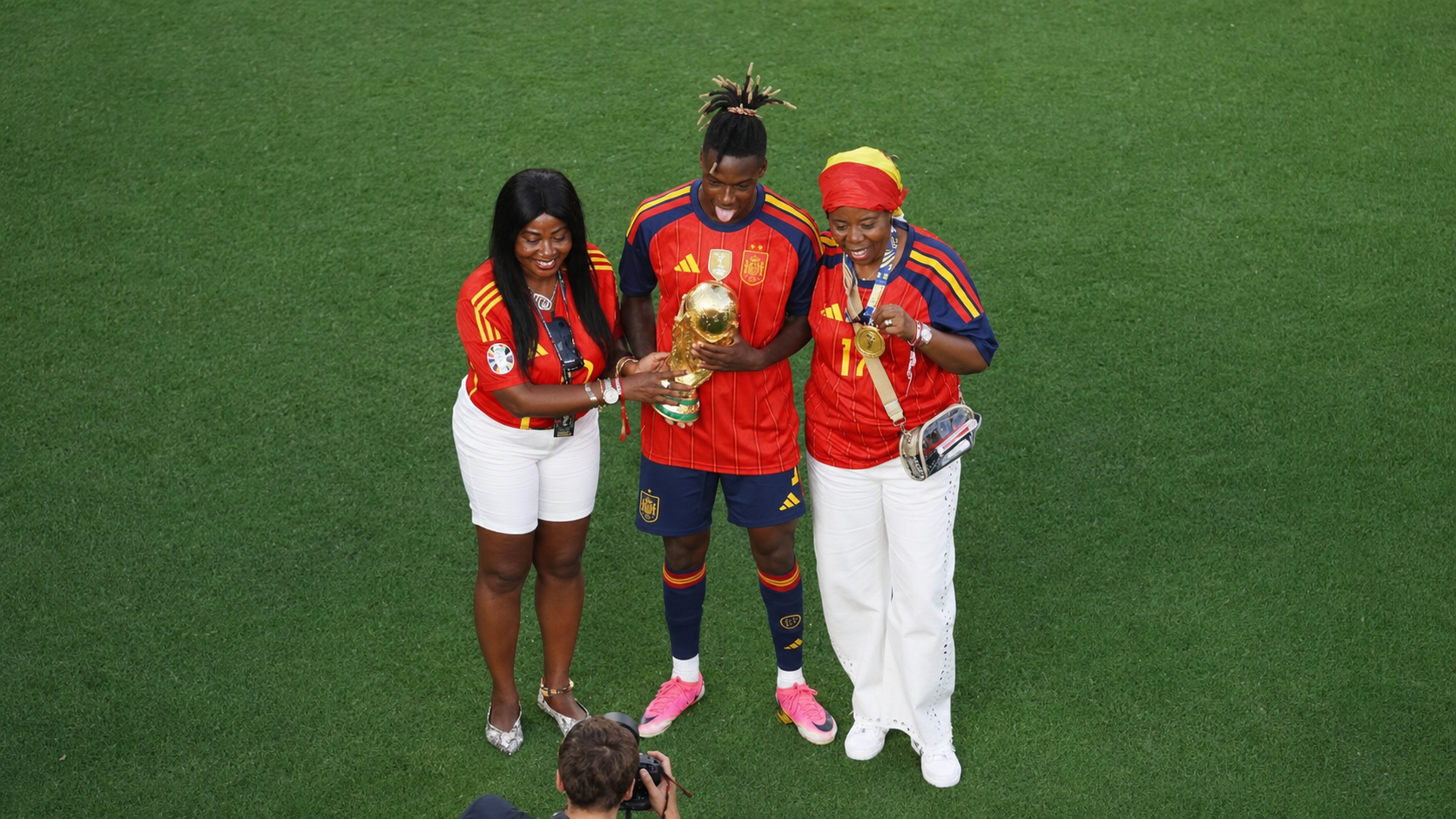
Instead of staying on the pitch, Spanish winger Nico Williams made his way to the stands where his family was waiting. He took the winner's medal from around his neck and placed it around his mother María's.
They smiled, held hands for a moment and embraced as the rest of the family celebrated around them.
The moment lasted only a few seconds. But the story behind it began years before Nico Williams was born.
Long Before the Final
Before there was football, there was a decision that changed a family's future.
Years before Nico was born, his parents, María and Félix Williams, left Ghana hoping to build a different life for their family. María was seven months pregnant with their first son, Iñaki, when they set out on a journey of more than 3,000 kilometres towards Spain.
The route took them across the Sahara Desert before reaching Melilla, Spain's North African enclave.
In a 2021 interview with The Guardian, Nico's older brother, Iñaki Williams, recalled that his parents spent part of the trip in the back of an open truck carrying about 40 people.
Along the way, he said, they saw people collapse, others abandoned in the desert and some buried before reaching Spain.
While they were being detained, a lawyer from Caritas told them their only chance was to apply for political asylum. They tore up their Ghanaian papers and said they were from Liberia, which was in the middle of a civil war.
The decision allowed them to remain in Spain and begin rebuilding their lives in the Basque Country.
There, they were helped by a priest named Iñaki Mardones, who became a guardian to the family. Their first son was later named after him.
Looking back on the conversation in which his mother finally told him the full story, Iñaki said: "When she told me I was left cold. It's like something in a film and my parents lived it."
Their story would later shape the lives of two sons who reached the highest level of football, each choosing to represent a different country.
Iñaki chose to play for Ghana, honouring his family's roots, while Nico represents Spain, the country where he was born and raised.
A Medal He Helped Win
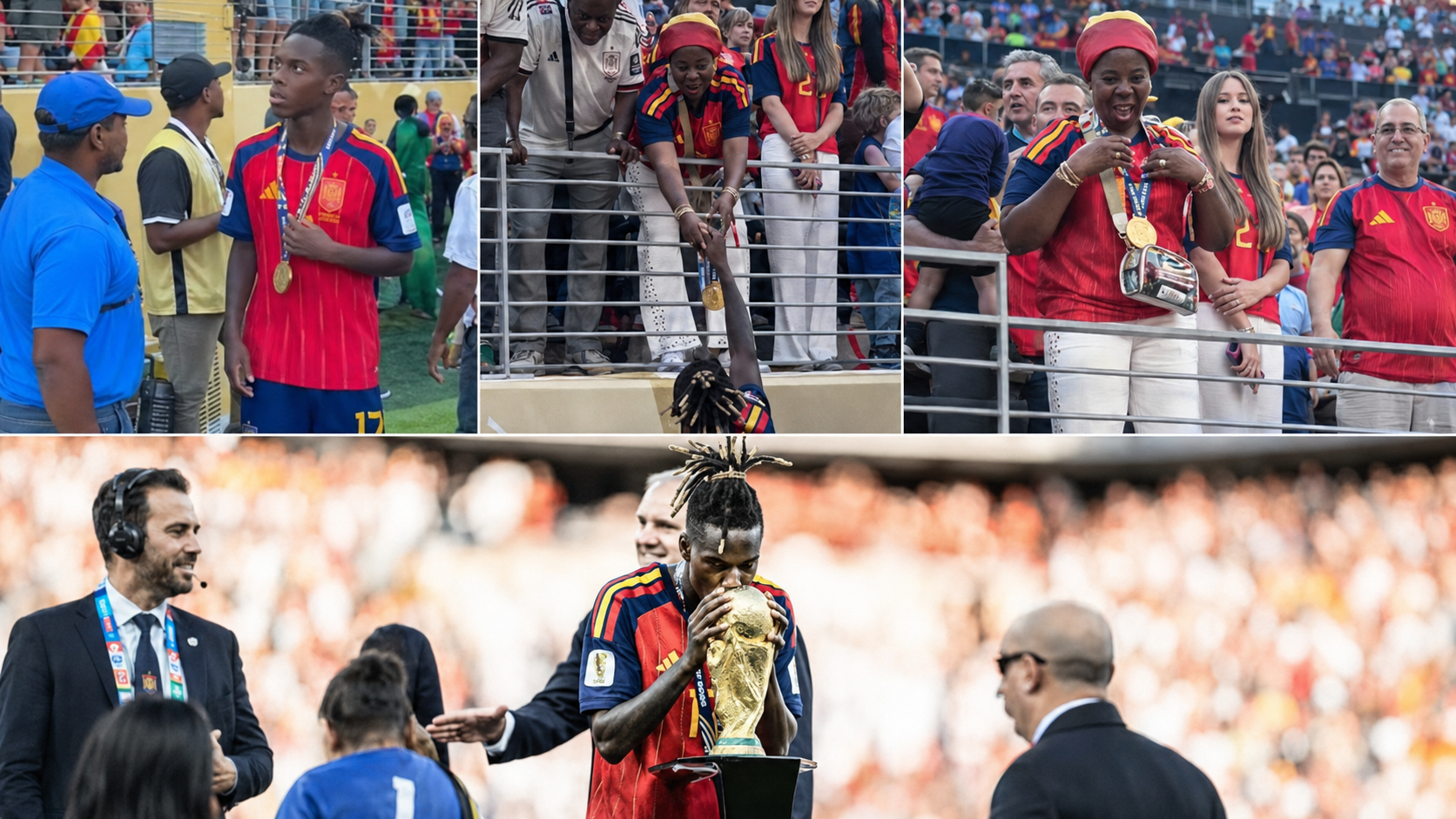
Nico wasn't just part of Spain's World Cup-winning squad. He played a decisive role in the final.
The match against Argentina remained level until extra time when Ferran Torres scored the only goal after a headed assist from Nico Williams.

The victory securedSpain's second men's World Cup title and capped the biggest night of the 24-year-old's career.
Moments after receiving his winner's medal, Nico headed for the stands instead of another lap of celebration. There, he placed it around his mother's neck before embracing her.
The Journey Came Full Circle
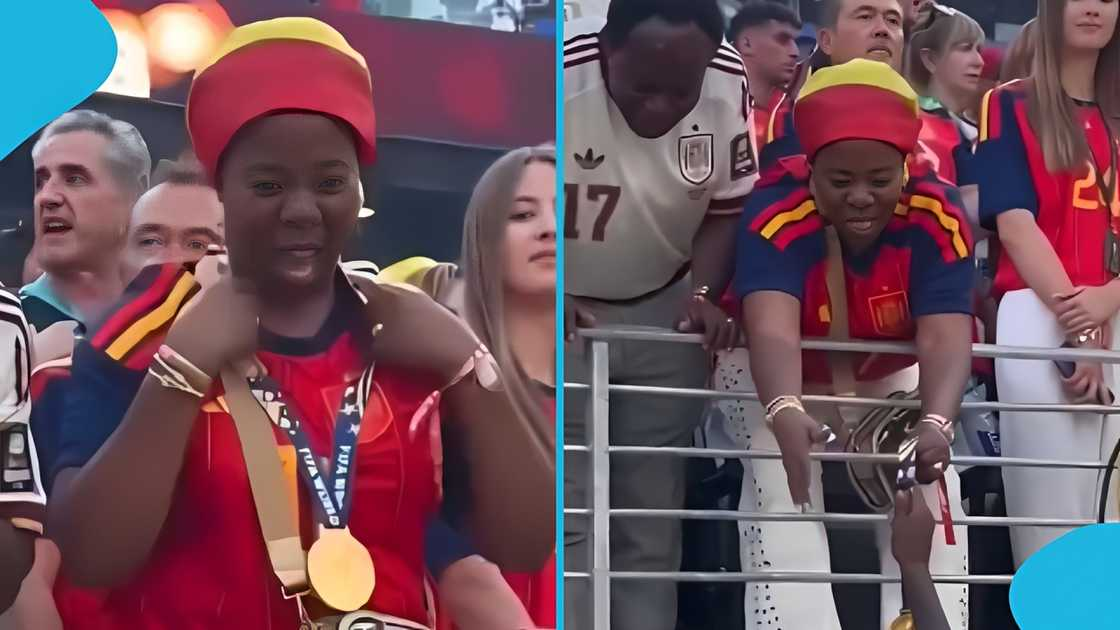
When the celebrations ended, the medal eventually found its way back to Nico Williams. Officially, it was always his.
But for one quiet moment after the biggest match of his life, it rested around the neck of the woman whose own journey had begun decades earlier on the other side of the Sahara.
Perhaps that's why the clip has resonated far beyond football, because it brought into the same frame a story that began in Ghana decades ago and ended with a World Cup winner's medal resting around María Williams' neck.