The World Could Be Short 11 Million Health Workers by 2030. Africa May Feel It First
The WHO projects an 11.1 million global health worker shortage by 2030. Africa already faces a severe workforce gap, with brain drain putting more pressure on fragile health systems.
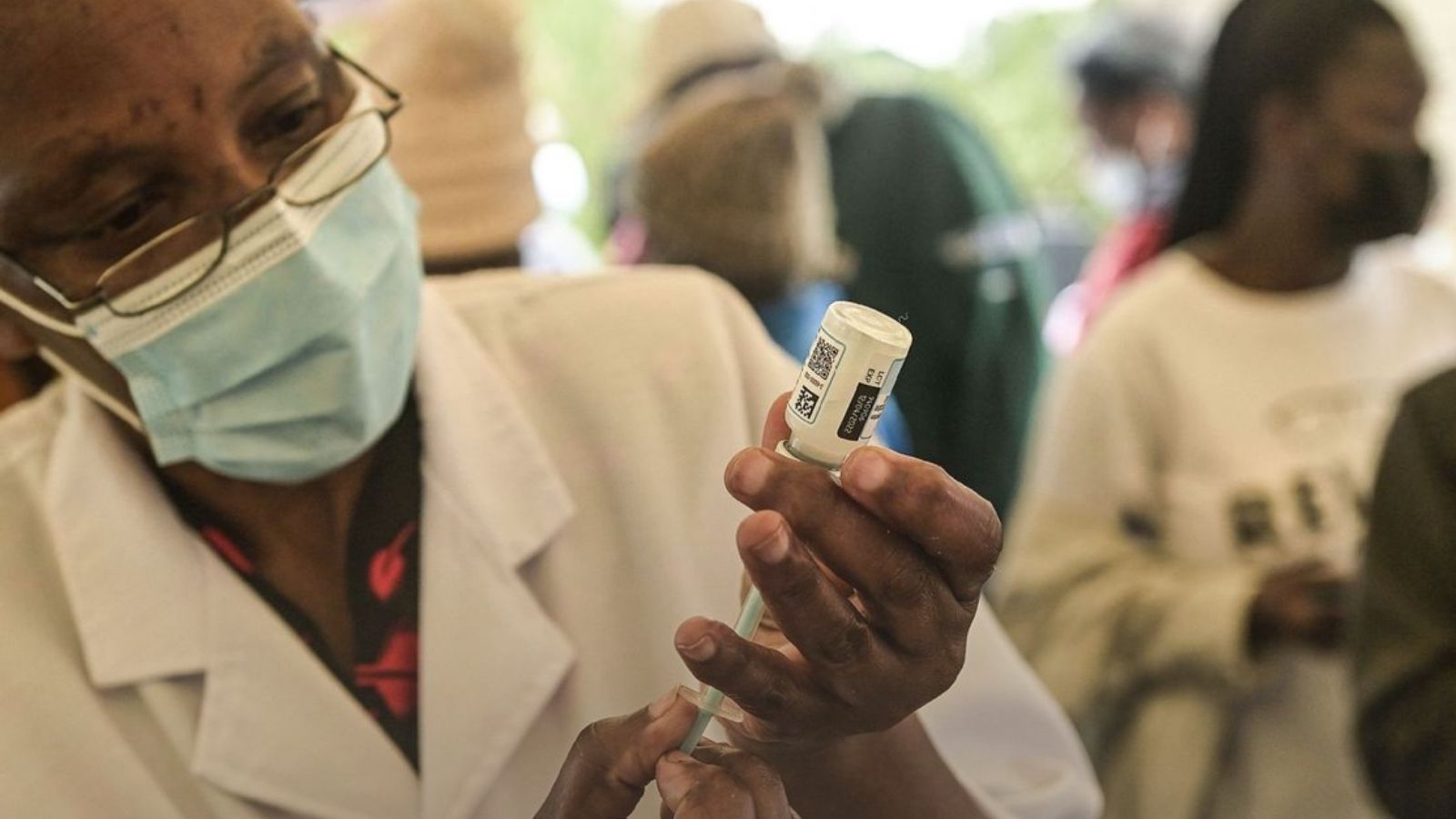
Nigeria has registered more than 130,000 doctors. Only about 55,000 still practise inside the country, which works out to one doctor for every 3,600 to 4,000 people. The World Health Organization's benchmark is one for every 600.
That is just a preview of the entire situation. A new WHO workforce report, built on data from more than 100 countries, projects a global shortage of 11.1 million health workers by 2030.
About a quarter of the world's doctors are expected to retire within the decade, and 67 countries are set to lack enough staff to maintain today's standard of care.
Africa doesn’t have to wait for 2030. It is already living the health worker shortage the rest of the world is only now forecasting.

The Global Health Worker Shortage Is Coming for Africa's Workforce
Wealthy countries are aging fast. In higher-income nations, one in three doctors is due to retire within ten years, and an extra 832,000 health workers are needed just to hold current staffing ratios steady.
Those countries cannot train their way out in time. They will recruit abroad, and Africa is where many of them have long recruited. In 2023, nearly half of the new doctors joining the UK workforce were trained overseas.
For Africa, this is an extra pressure on an already existing crisis. The African region has only 46% of the health workers it needs, and its projected 2030 shortfall is 5.85 million.
Just a few countries, including South Africa, Namibia, Mauritius and Seychelles, meet the recommended minimum of 4.45 doctors, nurses and midwives per 1,000 people.
Brain Drain in Africa's Healthcare Sector Is Already Deep
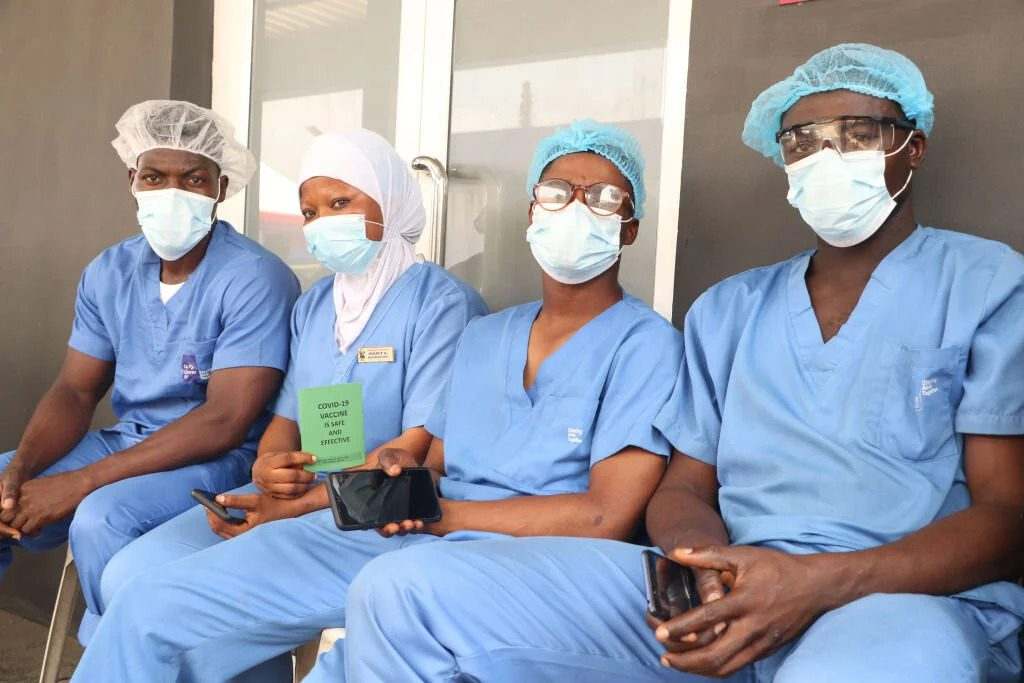
The brain drain in Africa’s healthcare sector is chronic. For every ten doctors and nurses working in the African region, at least one is employed abroad.
Nearly 46% of those still working on the continent say they intend to leave, up from 42% in 2024. Canada, the United States, the United Kingdom, Australia and Saudi Arabia top their lists.
Nigeria is an example with the clear brain drain pattern.
Between 15,000 and 16,000 doctors have left in about five years, and some medical students now prepare for foreign qualifying exams before they even graduate. They basically treat a Nigerian degree as a passport.
Ghana's nurses head to the UK, Ireland, Canada and Australia. Egypt, Nigeria, South Africa and Ghana have long ranked among the biggest sources of migrating physicians on the continent.
Each departure widens the shortage, raises the workload of those who stay, and gives the next person one more reason to leave.
Why Young Africans Are Rethinking a Career in Health

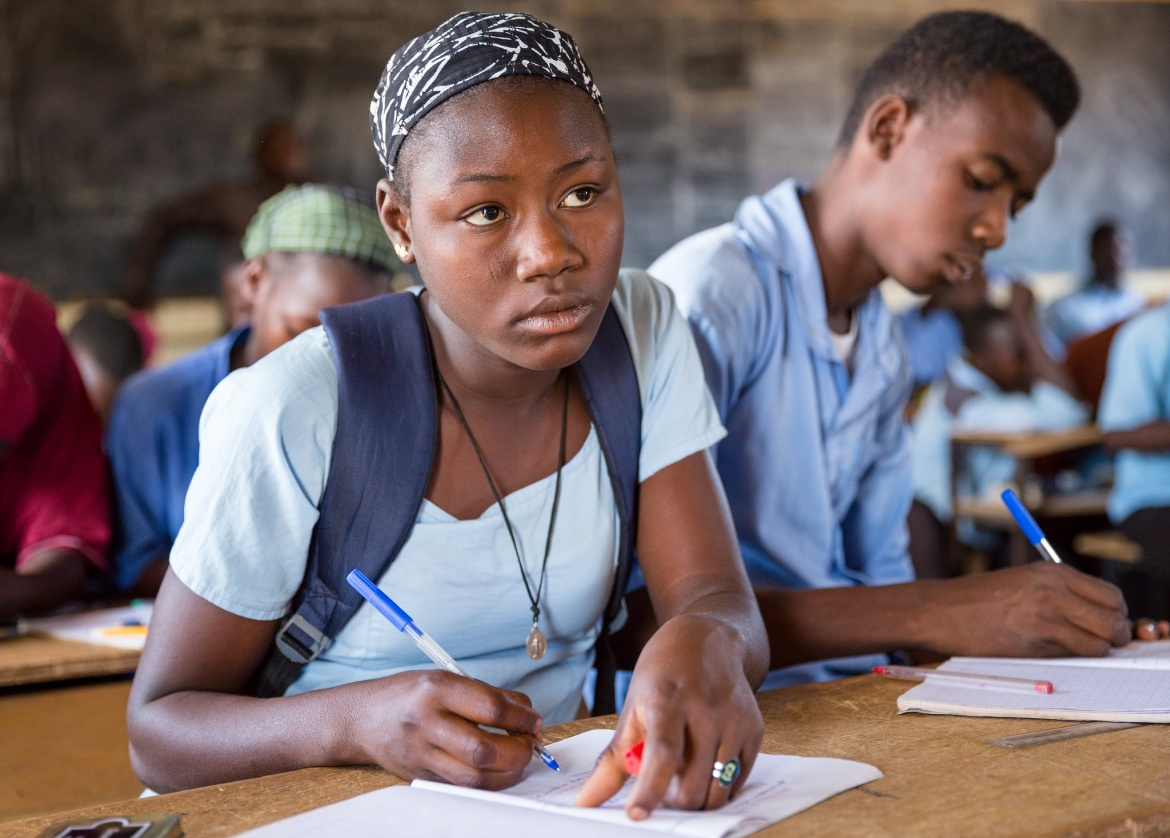
Brain drain empties today's wards, but a generation that turns away from health careers empties tomorrow's.
Medicine, nursing and pharmacy demand years of costly training, night shifts and heavy responsibility. The payoff used to be stability and respect.
Currently, inflation has rewritten the rules. When salaries lose value each year, allowances arrive months late, and rent, transport and data keep climbing, a public sector health salary stops looking as attractive as it was.
The job market makes the calculation harsher. Africa now trains more than 325,000 health graduates a year, yet an estimated 943,000 trained health workers were unemployed in 2024.
In some countries, over half of new graduates are jobless or in underpaid jobs. Tech, finance and remote creative work, often paid in foreign currency, start to look like the safer bet.
Global capitalism sets the terms of this contest. Richer economies bid for African skills with visas and salaries that local budgets cannot match, while health ministries stay boxed in by debt repayments and tight wage bills.
No continent-wide enrolment figure proves a mass retreat from health careers yet. The warning signs, though, point one way, and the risk falls on every African who will one day need a nurse, a midwife or a surgeon.
How Health Systems Differ Across African Countries
The crisis does not look the same everywhere, and the fixes should not either.
Nigeria has a serious retention problem. It trains many doctors and keeps too few, and the fight is over pay, safety and working conditions.
South Africa faces the opposite paradox. It sits above the WHO density threshold, yet its 2025 budget could fund only 800 posts for roughly 1,800 jobless doctors, while public vacancy rates ran as high as 22% in provinces such as the Free State.
Kenya shows a funding crisis. This September, nurses were in the sixth week of a strike over a collective bargaining agreement signed in 2017 and never implemented, and doctors threatened to join them.
Ethiopia trains at scale and uses compulsory service for graduates, yet it still sits far below both the WHO threshold and the African Union's 2030 target of 36 workers per 10,000 people.
Rwanda built its system around community health workers, pushing much of basic care to village level, a task-shifting model that stretches a thin supply of physicians further.
Chad, Niger and South Sudan sit near the bottom of the continent's density rankings, where poverty and insecurity leave almost no room for retention.
What Africa Must Do to Retain Its Health Workers
Money comes first. Countries would need to spendabout US$4 more per capita each year, or grow workforce budgets by around 15% annually, to close the gap.
The return case is strong: every dollar invested in the health workforce can generate up to ten in financial returns.
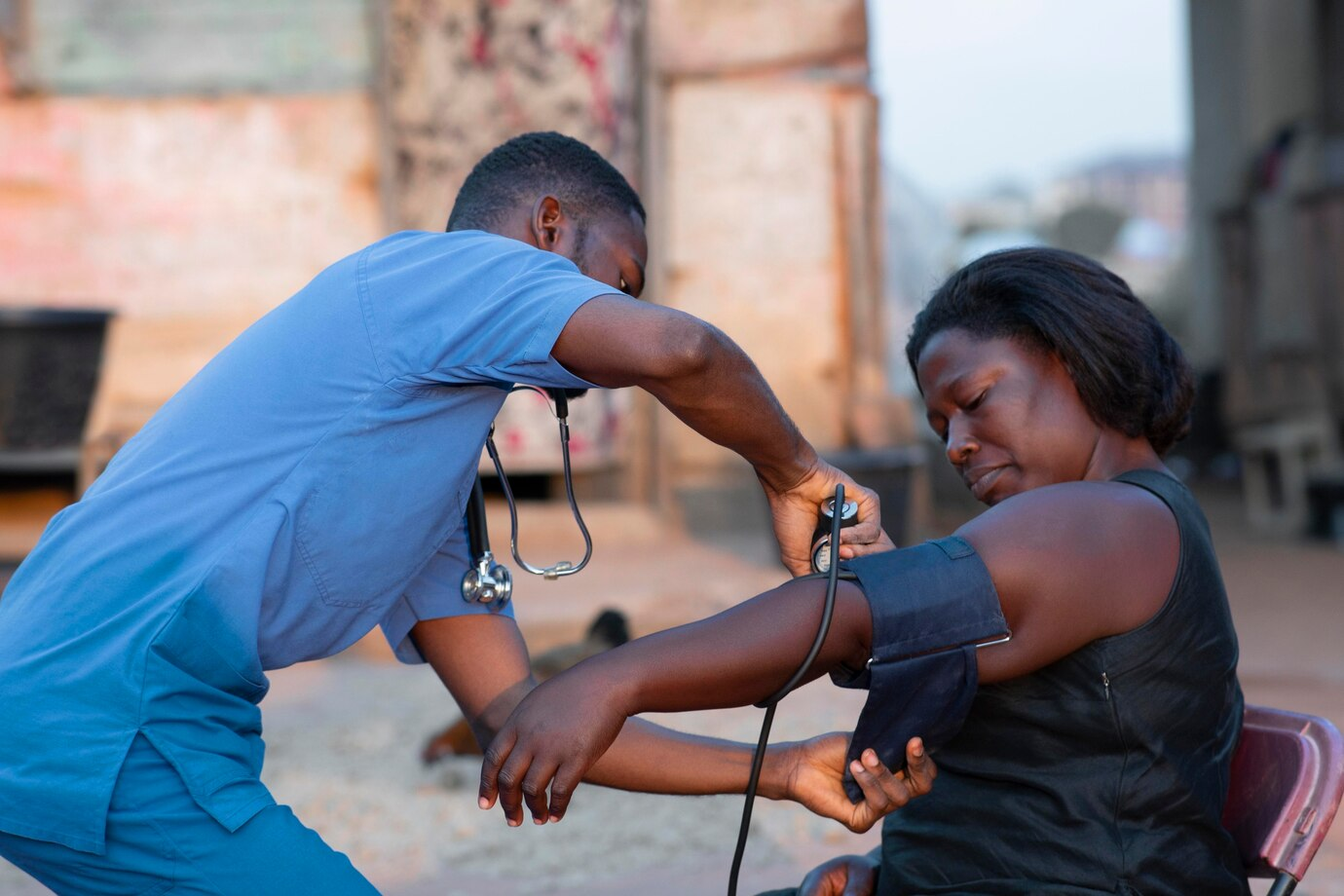
Then come the basics that keep people home: salaries paid on time, safe hospitals, clear promotion paths and jobs waiting for graduates.
African governments have pledged to train and retain 3 million more health workers by 2035, which will stay a promise unless budgets follow.
Wealthy countries carry real responsibility too. Ethical recruitment, with training partnerships or compensation for the countries they hire from, would turn a one-way flow into an exchange.
The Bottom Line on Africa's Health Worker Crisis
An 11.1 million shortfall is a global number. Africa's share of it arrives with thinner workforces, tighter budgets, and a generation of workers and students with a plane ticket in mind.
If the continent cannot make health careers worth choosing and worth staying in, it will lose more than its brightest minds. It will lose the people who show up when a child has a fever, a mother is in labour or the next deadly outbreak begins.