The Words We No Longer Say About Body Awareness And Positivity
Body positivity and awareness is a long discourse that cannot be dwelt on in one sitting, this is a social insight that explores the concept of body awareness, language replacement, and how internet culture reshapes the way we describe slim and fat bodies under the banner of body positivity.
A beautiful and interesting thing about the society we all live in is that we witness a quiet, real and transformative period that changes everything we know and grew up with.
From what was acceptable, to words that were allowed and condoned, to actions that now seem off and behaviors that now need to be disposed off, as they no longer fit into the unwritten social book of the society.
At some point, you would definitely agree that in our collective social evolution, that language has eroded and I don't mean lost or distorted but replaced to numb feelings and reactions from ourselves and those around us.
Somewhere along the line it seems to be that we all agreed that calling someone fat was unacceptable, hurtful and body shaming. A word like that should never leave the mouth of a well-meaning person.
Yet, calling someone slim or thin rarely triggers the same alarm. It is often delivered casually, even affectionately, as though thinness is a neutral observation while fatness is a kind of moral failure that should not be expressed in any form.
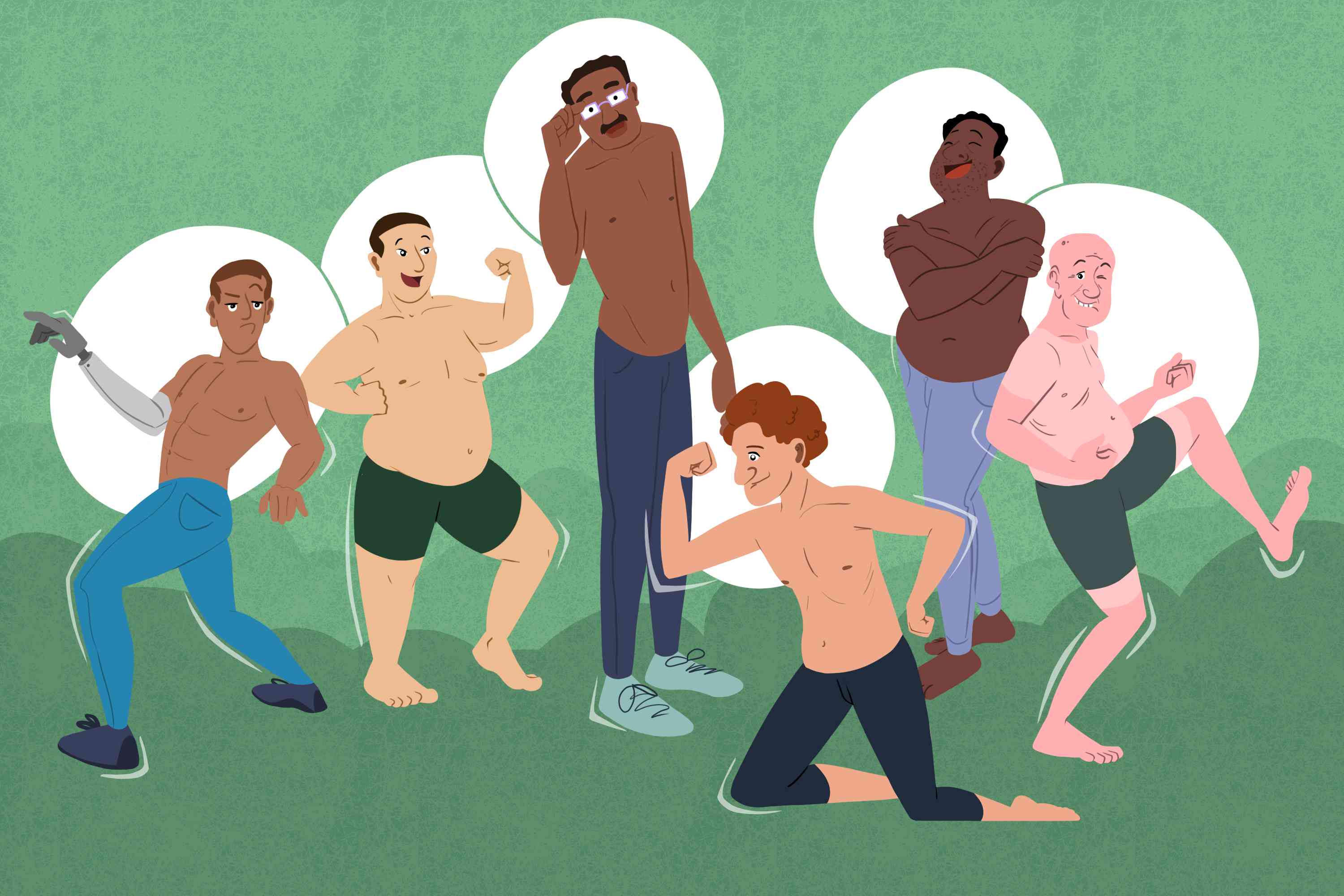
This imbalance is where modern body awareness begins to show its cracks.
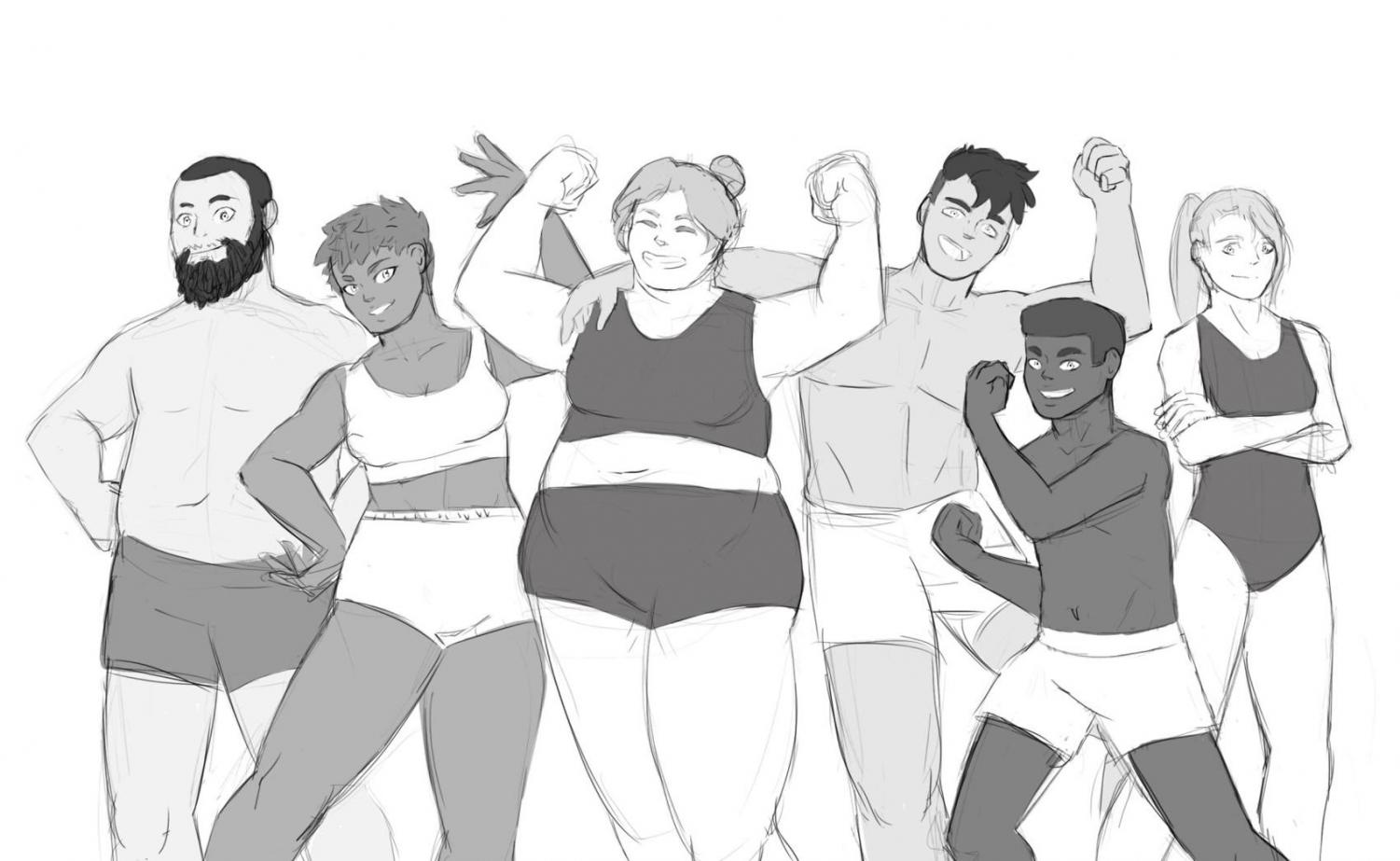
Body positivity, in theory, was designed to challenge unrealistic beauty standards, reduce shame, and allow people to exist comfortably in their bodies without ridicule.
In simple terms, body positivity is a social movement that promotes a positive view of all bodies, regardless of size, shape, skin tone, gender, and physical abilities.
This view focuses on the appreciation of the functionality and health of the human body instead of its physical appearance.
Social Insight
Navigate the Rhythms of African Communities
Bold Conversations. Real Impact. True Narratives.
The whole concept was meant to protect dignity, not create a lingual gymnastics. But somewhere along the way, awareness has become selective. Slim bodies remained socially acceptable descriptors, while larger bodies required cushioning, disclaimers, and euphemisms.

A slim person is slim, thin or “petite.”
A fat person? Well a fat person is rarely called fat as it is insensitive. They are chubby, thick, curvy, or “plus-size with confidence.”

The intention may be as a result of being kind in the use of words, no doubt, but the implication is telling. If one body type can be named plainly while another must be softened linguistically, then we must all face the truth and know that we are not equalizing respect, we are reinforcing discomfort.
What this reveals is not just sensitivity, but hierarchy. Slimness still sits closer to the ideal, so it needs no protection. Fatness, burdened by decades of stigma, must be linguistically dressed up before it can enter polite conversation.
And so in our present world today, body awareness becomes less about acceptance and more about avoidance.
The Softening of Words: Internet Culture and the Replacement Economy
Language evolves, that much is normal. But what we are witnessing now is not just evolution; it is replacement driven by discomfort, one nobody wants to face blatantly.
Social Insight
Navigate the Rhythms of African Communities
Bold Conversations. Real Impact. True Narratives.
The internet, especially various social media platforms, has become the primary engine of this shift. Words are not disappearing because they are inaccurate; they are being replaced because they make us uneasy.
“Fat” becomes thick.
“Overweight” becomes plus-size.
“Skinny” becomes petite.
Criticism becomes hate.
Confidence becomes “you ate and left no crumbs.”
These replacements are not random, they are emotionally strategic. Online spaces reward affirmation, exaggeration, and emotional cushioning. Algorithms amplify what feels good, not what is precise. As a result, language increasingly prioritizes comfort and assumed ease over clarity.
There is data to support this behavioral shift because it didn't just come out from the blues, studies in sociolinguistics and digital communication show that social media accelerates euphemism cycles, where words become stigmatized faster and are replaced more frequently to avoid negative emotional responses.
This is not about preserving language, but about preserving feelings and preserving feelings drives a narrative that everything might be alright, when in the actual sense it isn't.
The irony is that constant replacement does not remove stigma; it relocates it elsewhere entirely. Over time, the new word will usually inherit the same discomfort as the old one and there would be need for another lingual evolution.
Social Insight
Navigate the Rhythms of African Communities
Bold Conversations. Real Impact. True Narratives.
“Chubby” that once sounded gentle can now sting because maybe the people saying it have different intentions. “Thick” that was once celebratory is contested and so the cycle continues.
What we are left with is language that feels safe but says less.
Body positivity slang thrives in this environment. Phrases like “body goals,” “real body,” and “you ate” function as social shields.
They affirm without engaging. They praise without describing. They allow participation without confrontation.
But affirmation without honesty has limits.
When we cannot name bodies neutrally across the spectrum, we send an unintended message: some bodies are normal enough to describe plainly, others are too sensitive to name directly. That is not progress; it is rebranding discomfort and discomfort that borne for too long leads to outbursts over time.
What Body Awareness Should Actually Mean

Social Insight
Navigate the Rhythms of African Communities
Bold Conversations. Real Impact. True Narratives.
True body awareness is not about banning words or changing the words, it is about removing value judgments from them.
A body is a body before it is a statement. Slim and fat should function as descriptors, not verdicts. When one is treated as factual and the other as offensive, we expose the bias we claim to be dismantling.
This does not mean language should be careless or cruel. Context matters for understanding, intent matters to avoid judgement and the use of words matters, they leave an impression towards the people it's been said to.
We cannot build a culture of acceptance by pretending difference does not exist. Nor can we claim sensitivity while quietly ranking bodies through language.
The goal of body positivity was never to make everyone feel attractive at all times. It was to make everyone feel human worthy of respect regardless of size.

That goal is undermined when we treat certain descriptors as inherently harmful instead of examining why they were weaponized in the first place.
If calling someone fat feels wrong while calling someone slim feels normal, the issue is not the word, it is the meaning we have attached to it over time.
And until we address that meaning, no amount of linguistic replacement will fix the discomfort. We will simply keep inventing softer words to circle the same unease.
Social Insight
Navigate the Rhythms of African Communities
Bold Conversations. Real Impact. True Narratives.
Body awareness, at its best, allows us to speak honestly without cruelty and listen without defensiveness. It allows bodies to exist without constant commentary — positive or negative.
Because sometimes, the most respectful thing is not finding a prettier word, but removing judgment from the one we already have.