The Waste Cycle: Can We Ever Recycle Our Way Out of the Climate Crisis?
We’ve been told recycling can fix our waste problem but what if it’s only masking the real crisis beneath our trash?
The Waste Cycle
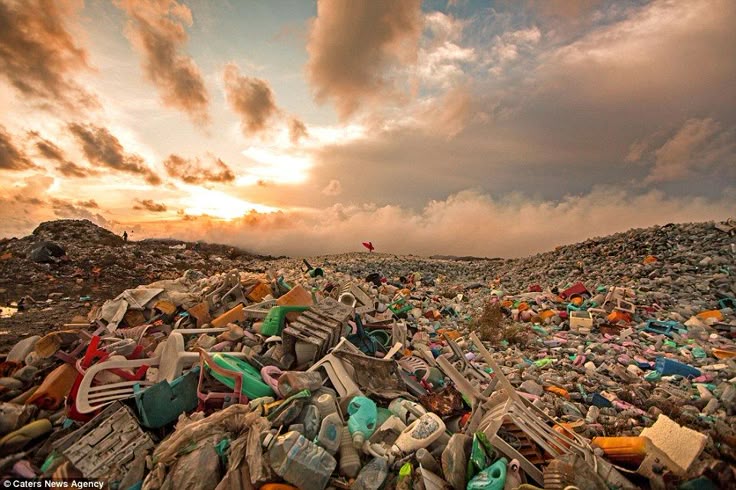
Plastic bottles pile up in rivers, landfills stretch like artificial mountains, and even the oceans, once vast and untouchable now carry traces of our disposable lifestyles, “One person’s trash is another’s treasure but what if our trash is becoming everyone’s problem” For decades, recycling has been sold as the easy fix, the moral shortcut to sustainability.
We sort our waste, drop it in the green bin, and hope it finds a second life somewhere far away.
The recycling system is cracking under the weight of the world’s waste.
The Myth of the Green Bin
Globally, we generate more than 2 billion tonnes of solid waste every year, and that number is expected to rise by 70% by 2050, according to the World Bank,Yet only about 9% of all plastic ever produced has been recycled,The rest is either burned, buried, or left to linger in the environment, where it can take up to 500 years to decompose.
The idea of recycling was once a beacon of hope, But in reality, much of what we “recycle” never gets recycled at all.
In many African cities, waste management is more about survival than sustainability. Informal waste pickers, often women and children, collect plastic bottles or metal scraps to sell to recycling depots, In Lagos alone, over 15,000 informal waste collectors are responsible for up to 60% of the city’s recovered recyclable material, according to ASWOL, Yet, they work without safety nets, fair pay, or recognition.
This isn’t the circular economy we imagined, it’s a cycle of inequality wrapped in the language of sustainability.

Plastic Promises and the Global Recycling Trap
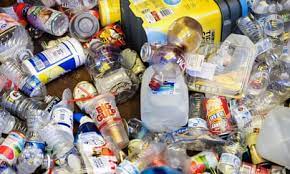
When Western countries tell the developing world to “go green,” they often forget who made the mess in the first place, For decades, rich nations have shipped tons of plastic waste to Africa and Asia, calling it “recyclable exports.” In 2021 alone, the European Union exported over 1.1 million tonnes of plastic waste, much of it ending up in countries without the infrastructure to process it. Some of this waste is burned in open fields, releasing toxic fumes into the air.
Nigeria, Ghana, and Kenya have become dumping grounds for the world’s unwanted plastic, The irony is brutal, the countries least responsible for global waste are the ones choking on it.
And yet, companies continue to market recycling as a badge of environmental virtue, Global brands launch “eco-bottles” or “recycled packaging” campaigns but most of these are greenwashed narratives, designed to soothe consumers rather than solve the crisis.
Recycling, at its core, has become less about responsibility and more about reputation.

Beyond the Bin: What True Circularity Looks Like
If recycling isn’t the answer, what is? Experts say the solution lies not in what happens after we throw things away, but in what we produce in the first place.
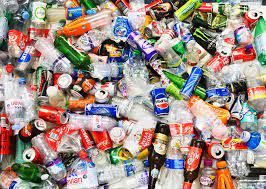
According to the Ellen MacArthur Foundation, shifting to a circular economy, one that redesigns products to last longer, be reused, or easily repaired, could reduce global emissions by up to 45%. That means designing packaging that biodegrades, creating refill systems, and banning single-use plastics outright.
Across Africa, this shift is already beginning:
In Rwanda, a nationwide ban on plastic bags has been in effect since 2008 one of the earliest and most successful in the world.
In Kenya, the 2017 ban on single-use plastic bags reduced plastic litter dramatically within months.
Nigerian startups like Wecyclers and RecyclePoints are turning waste into economic opportunity, rewarding households with cash or points for recyclable materials.
These local innovations show that the future of recycling may not lie in billion dollar global systems, but in community driven solutions that blend technology with human need.
The African Waste Paradox

In as much of Africa, waste is not just an environmental issue, it’s an infrastructural one.
How can we talk about recycling when many communities lack even basic waste collection? In Lagos, more than 40% of households have no access to regular waste disposal, In parts of Accra, plastic bottles clog gutters, turning seasonal rains into devastating floods.
Recycling, in this context, cannot exist in isolation. It must be part of a broader environmental justice conversation, one that tackles urban planning, poverty, and policy enforcement.
True sustainability, after all, is not about who recycles more, it’s about who gets left with the mess.
Sorting Our Future
So where does that leave us? If recycling isn’t enough, does that mean individual effort doesn’t matter? Not quite.
Every small act still carries weight but it must be part of a bigger system that values prevention over cleanup because tossing the bottle inside the right bin may ease our conscience, it won’t reverse decades of Overproduction,Here are a few shifts that experts say could make a difference:
Reduce before recycling: The most effective waste is the one never created.
Hold producers accountable: Companies that profit from plastic should pay for its cleanup.
Invest locally: Build recycling and composting systems that fit local realities, not imported blueprints.
Educate communities: Waste awareness should start in schools, not social media campaigns to avoid raising a generation that sees recycling as a trend rather than responsibility.
Because in the end, recycling isn’t a finish line, it’s a starting point.
The Weight of a Bin
Recycling has long been seen as a symbol of hope, a simple act that makes us feel like we’re helping the planet. But the truth is, recycling alone can’t fix the climate crisis. It treats the symptom, not the cause.
The real problem starts long before the bin, with how much we produce, buy, and throw away, Factories keep churning out plastic, companies keep packaging single-use products, and we keep consuming more than the planet can handle.
Recycling is still important, but it’s not the hero of this story, Real change will come when we reduce waste at its source, by choosing products that last, supporting companies that reuse materials, and demanding better policies from those who profit from pollution Because the future of our planet won’t be decided by what ends up in the bin but by what never has to go there in the first place
Recycling was never designed to keep up with our growing apetite for consumption, The more we produce, the more we pretend recycling wil save us, where in reality,it’s only showing an inevitable overflow