The Three-Second Rule: Would You Still Eat It?
The “three-second rule” is less about time and more about culture, habit, and survival. From street food to home kitchens, people constantly balance hygiene, hunger, and the fear of waste—making every dropped bite a personal decision, not a rule.
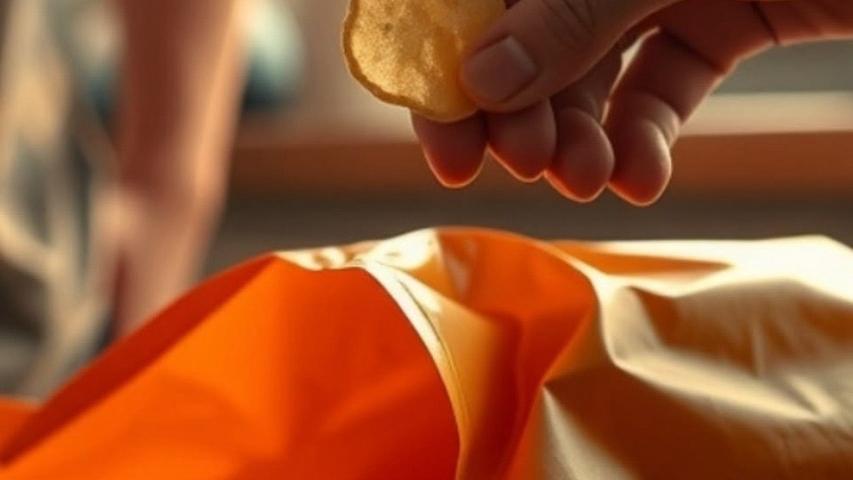
It’s a moment almost everyone has experienced, food falls on the ground, and for a few seconds, you pause and decide: pick it up or throw it away?
This is what people call the “three-second rule,” the belief that food is still safe to eat if it is picked up quickly.
Many people follow this rule because it feels simple and practical, and if the food looks fine and falls for only a short time, they assume it is still okay to eat.
It is also common in situations where wasting food feels difficult or unnecessary.
But in reality, germs can get on food almost immediately after it touches the ground. What matters more is not the time, but the cleanliness of the surface.
A clean home floor is different from a public place like a street, bus stop, or school compound, where dirt and bacteria are more likely to be present.
Even so, people still use the rule because it has become a habit and part of everyday thinking.
Sometimes, it is also influenced by the need to avoid waste, especially when food is valuable or not easy to replace.
In the end, the three-second rule is not really a safety rule. It is more of a personal choice based on situation, habit, and judgment.
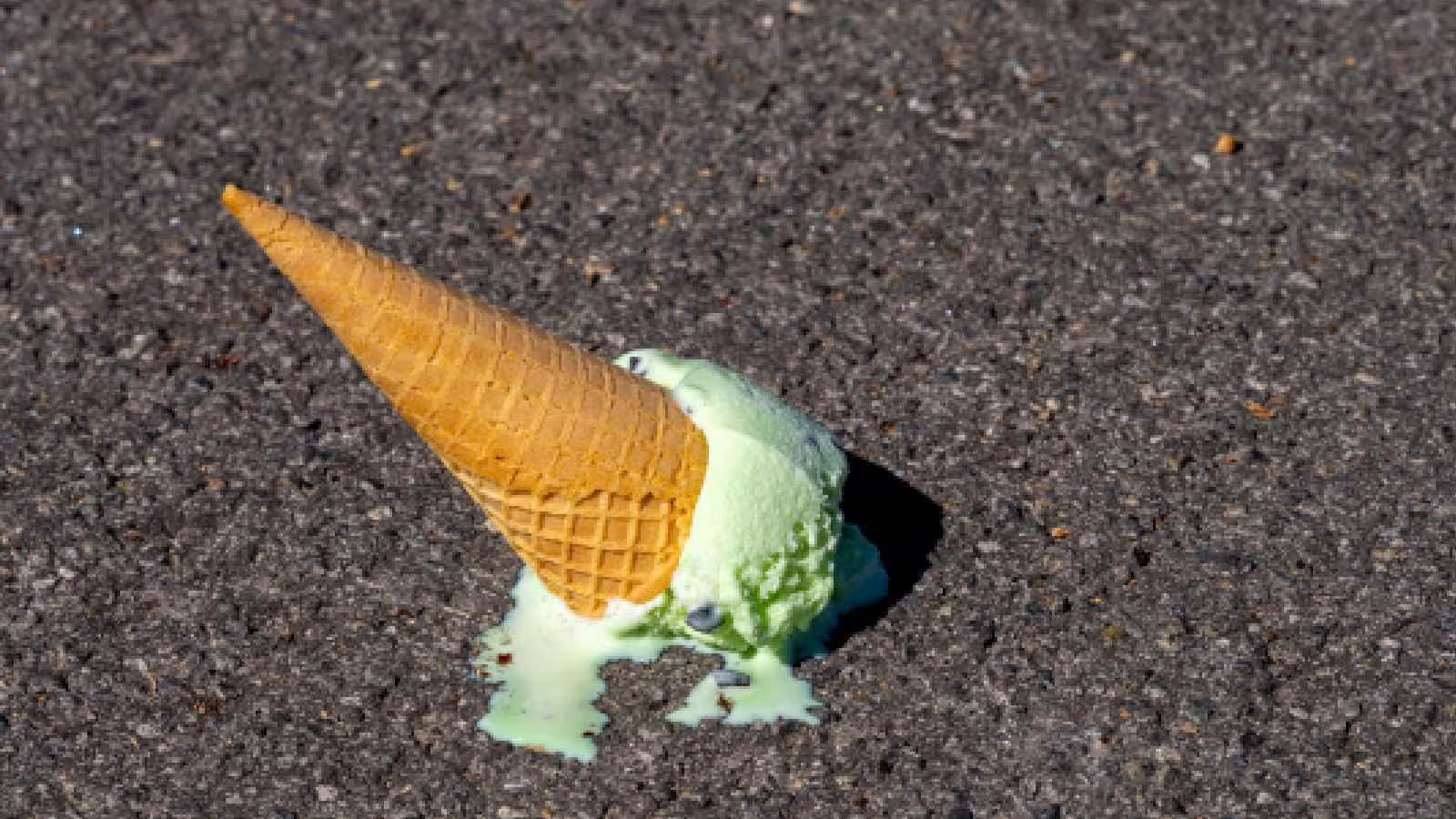
The Habit We All Know
The three-second rule is more of a social habit than a scientific fact which has made many people follow it without thinking, especially in familiar environments like their homes.
For example, the TV show Friends showed Rachel and Chandler eating cheesecake off the floor after dropping it, which made the “three-second rule” look funny.
But in real life, eating dropped food isn’t always safe, or even if food is picked up quickly, it can still collect germs from the floor. This can lead to illness or stomach problems.
So, instead of relying on the “three-second rule,” it’s usually safer to throw the food away if it falls on the ground.
Social Insight
Navigate the Rhythms of African Communities
Bold Conversations. Real Impact. True Narratives.
But in places where food is valued and not easily wasted, the decision to pick it up feels practical.
It’s quick, almost automatic, and often justified with thoughts like “it’s still clean” or “nothing will happen.”
This habit is often shaped by everyday experiences and upbringing. Many people grow up seeing others pick up dropped food and still eat it, so it becomes something normal over time.
It is not usually questioned, especially when the food looks fine and the fall happens on a “clean” surface like a kitchen floor or table area.
In many homes and communities, food is treated with great importance because of its value, because when food is not always abundant or easily replaced, wasting it feels wrong.

So instead of throwing it away, people rely on quick judgment to decide if it is still safe. This makes the three-second rule feel more like a practical solution than a risky choice.
It is also a matter of convenience. In busy moments, people do not stop to think deeply about germs or safety.
The decision happens in seconds, guided more by habit than by science. If the food looks normal and there is no visible dirt, many assume it is still fine to eat.
Over time, this behavior becomes automatic which makes people do it without thinking because it feels normal and familiar.
Even when they are aware of possible risks, the habit is often stronger than the caution.
What Really Happens When Food Falls
What really happens when food falls is more about instant contact and contamination than time.
The moment food touches a surface, it can pick up bacteria, dust, or dirt almost immediately.
This happens because germs do not need time to “wait,” they transfer as soon as there is contact.
The level of risk depends heavily on the surface, for example, the floors that look clean can still carry invisible germs, especially in places where people walk often or where cleaning is not done regularly.
Social Insight
Navigate the Rhythms of African Communities
Bold Conversations. Real Impact. True Narratives.
In public areas like streets, schools, buses, or markets, the chances of contamination are even higher because many different people and objects have already touched those surfaces.
Even in a home, where things are generally cleaner, there is still no guarantee of safety.
Kitchen floors, tables, or tiles may look clean, but they can still contain bacteria from shoes, pets, or everyday dust.
This means food can become unsafe even in a very short time, sometimes instantly.
Because of this, the “three-second rule” is not a real safety guideline. It does not control what happens biologically.
Instead, it becomes a personal decision based on how clean the place looks and how much risk someone is willing to take. Some people ignore the risk completely, while others avoid eating dropped food altogether.
Food retrieved just a few seconds after being dropped is less likely to contain bacteria than if it is left for longer periods of time, researchers at Aston University’s School of Life and Health Sciences in England recently reported.
In simple terms, once food hits the ground, the main question is not how long it stayed there, but where it fell and what it touched.
Culture, Environment, and Everyday Choices
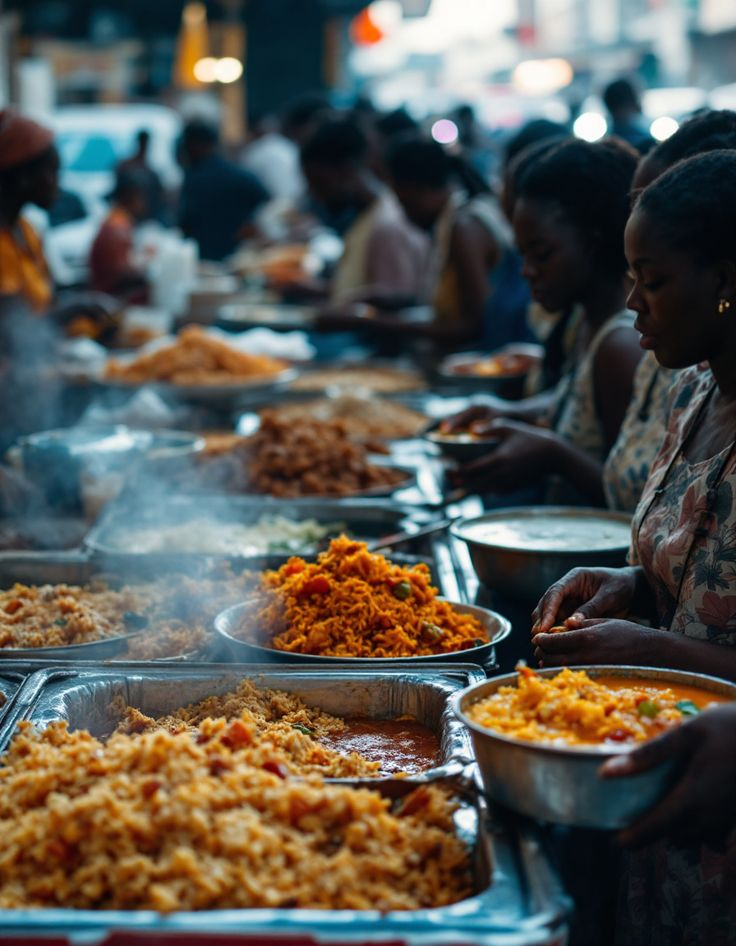
Culture, environment, and everyday choices affect how people see the “three-second rule,” especially in Nigeria.
Food is often seen as valuable, so many people do not like to waste it, and because of this, some people still eat food that falls if it looks clean, while others throw it away immediately.
Street food culture also plays a role. In busy places like markets and bus stops, people eat in environments that are not always very clean, so they become used to making quick decisions about food.
Upbringing matters too, because people who grew up in very clean homes are more likely to avoid dropped food, while others may see it as normal to still eat it.
The environment also affects the decision. Food dropped in a clean kitchen may be treated differently from food dropped on a dusty road.
In the end, the choice depends on habit, situation, and how safe the place looks, not just the time the food spends on the ground.
Social Insight
Navigate the Rhythms of African Communities
Bold Conversations. Real Impact. True Narratives.
Conclusion
In my view, the “three-second rule” is just a made-up idea. Some people believe that food dropped on the floor is still safe to eat if picked up quickly, because they think throwing it away is wasteful.
Over time, this belief became a habit and has even been passed down to younger generations.
It may feel convenient, but it’s not scientifically reliable. While it might seem harmless in some situations, it still carries risk.
At the end of the day, the choice comes down to awareness, understanding that quick doesn’t always mean safe, and deciding what matters more: saving the food or protecting your health.