The Street is the Runway: Inside Africa’s Streetwear Revolution
Streetwear is rewriting Africa’s fashion story—from thrift markets to luxury brands, young Africans are turning sidewalks into runways and culture into currency.
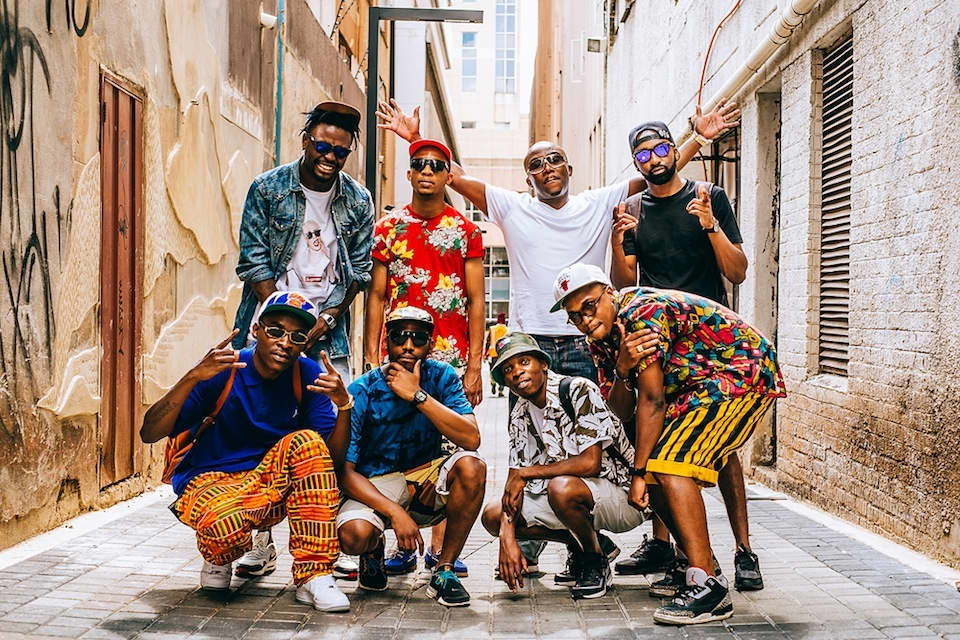
On a hot Saturday afternoon in Lagos, a group of teenagers gather outside a gaming arcade in Yaba. None of them is walking down a designer runway, yet the way they pose tells you this is no ordinary hangout.
One boy rocks a pair of spotless white Air Force 1s, another wears an oversized hoodie emblazoned with the bold lettering of a local streetwear brand, while a girl adjusts her bucket hat with the nonchalance of someone who knows she is the real show.
Phones are out, pictures are taken, and in an instant the look is immortalized on Instagram. Forget Paris and Milan, for Africa’s Gen Z, the street is the runway.
Streetwear in Africa is evolving from fashion into an identity. Where previous generations wore clothes for functionality or formality, today’s African youth wear “drip” as a badge of pride, as proof that they belong, and as a way to be seen in a world that often looks past them.
Pc: Pinterest
Origins of African Streetwear
Streetwear did not originate in Africa. Its roots lie in American skate culture, hip-hop, and basketball. But like music, Africa doesn’t just consume, it adapts, remixes, and redefines.
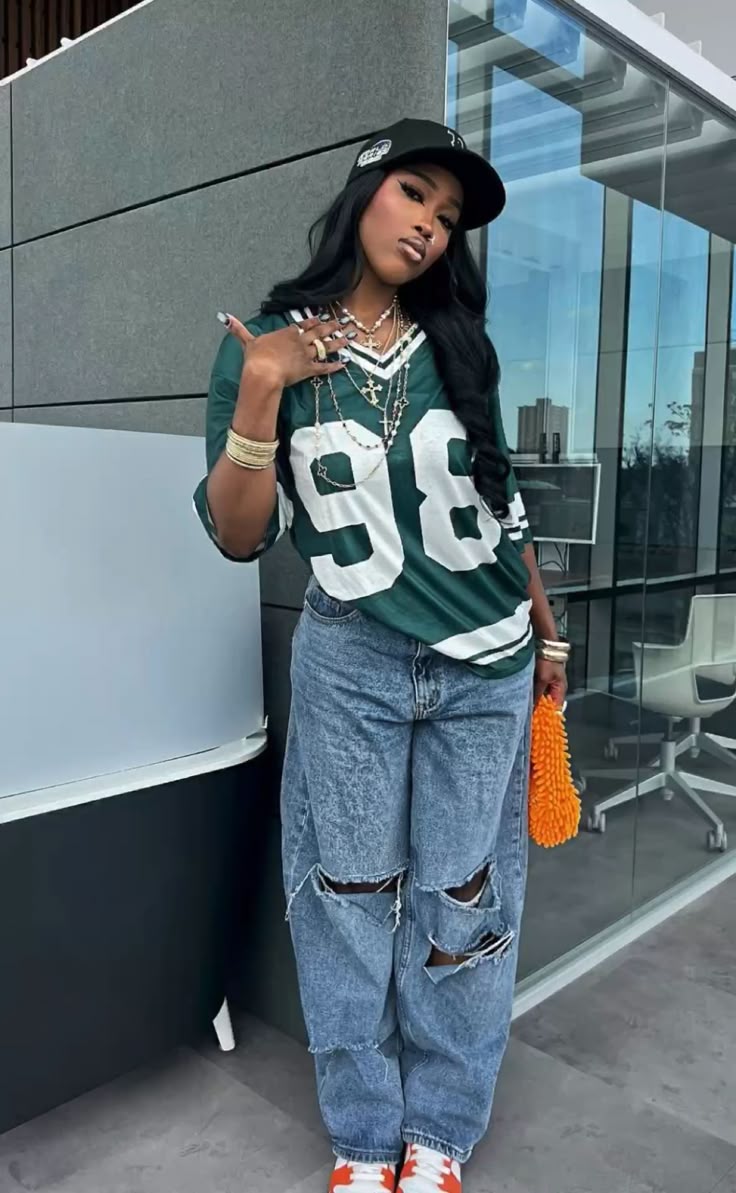
From the early 2000s, Nigerian hip-hop artists like Ruggedman and South Africa’s Kwaito stars began shaping the look. The baggy jeans, snapbacks, oversized jerseys, head bands ruled the era.
By the 2010s, the influence of Afrobeats and Amapiano perfectly mixed with the global streetwear aesthetics, producing a uniquely African flavor.
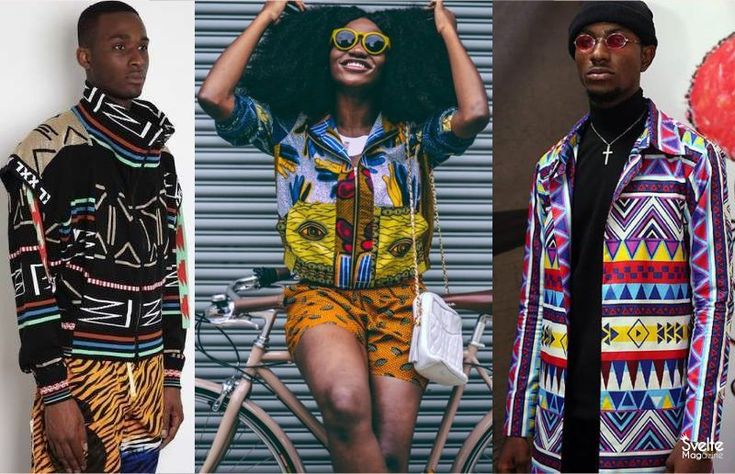
Streetwear in Africa is also about merging tradition with modernity. Imagine a hoodie made from kente fabric in Ghana, joggers patterned with Ankara in Nigeria, or a jacket lined with shweshwe prints in South Africa.
This is a cultural remix. Streetwear here is just not an imported copy, it is a bold statement of how Africans reinterpret the world while grounding themselves in identity.
Streetwear as Youth Identity
For African youths, fashion has become language. The way someone dresses can speak louder than their bio.
Culture
Read Between the Lines of African Society
Your Gateway to Africa's Untold Cultural Narratives.
On campuses, the freshest drip often determines social status. A guy in designer sneakers and a graphic tee automatically earns respect; a girl with the right bag and vintage shades becomes an influencer in her own right.
Social media spearheads this culture. The “fit check” TikTok trend, Instagram outfit-of-the-day posts, and Twitter debates about “who’s dripping hardest” have created a digital runway where every sidewalk can become a fashion show.
For young people battling unemployment, inflation, and insecurity, clothing becomes a way to control at least one aspect of life.
The Business of Streetwear

Streetwear in Africa is cultural and economic, shaping how young people express themselves and how new markets emerge. In Nigeria, brands like Ashluxe, Vivendii, and Severe Nature have turned exclusivity into aspiration, dropping limited collections that sell out instantly and fueling a culture of hype-driven consumption.
In South Africa, designers like Rich Mnisi and MaXhosa are redefining luxury through Afrocentric street-inspired aesthetics, merging heritage with cutting-edge design to showcase African creativity as globally relevant. Even the diaspora has played its role. Amsterdam-based Daily Paper, with Somali, Ghanaian, and Moroccan founders, has taken African streetwear global, proving that the culture travels as strongly as the clothes.
But it is not all high-end. Streetwear is also the business of survival. Across Africa’s cities, young people thrift clothes from second-hand markets which is popularly known as okrika in Nigeria, salaula in Zambia, mitumba in Kenya, then resell them as vintage fashion. What was once “cheap” is now “cool,” and hustlers-turned-curators are making careers out of it, transforming necessity into innovation and survival into style.
Streetwear as Resistance and Pride
Fashion is gradually becoming political, and nowhere is that clearer than in Africa. During Nigeria’s #EndSARS protests, youths wore hoodies, masks, and branded tees as uniforms of resistance. In South Africa’s #FeesMustFall, ripped jeans and slogans-on-shirts turned into symbols of defiance. Clothing became a way to speak when words weren’t enough.
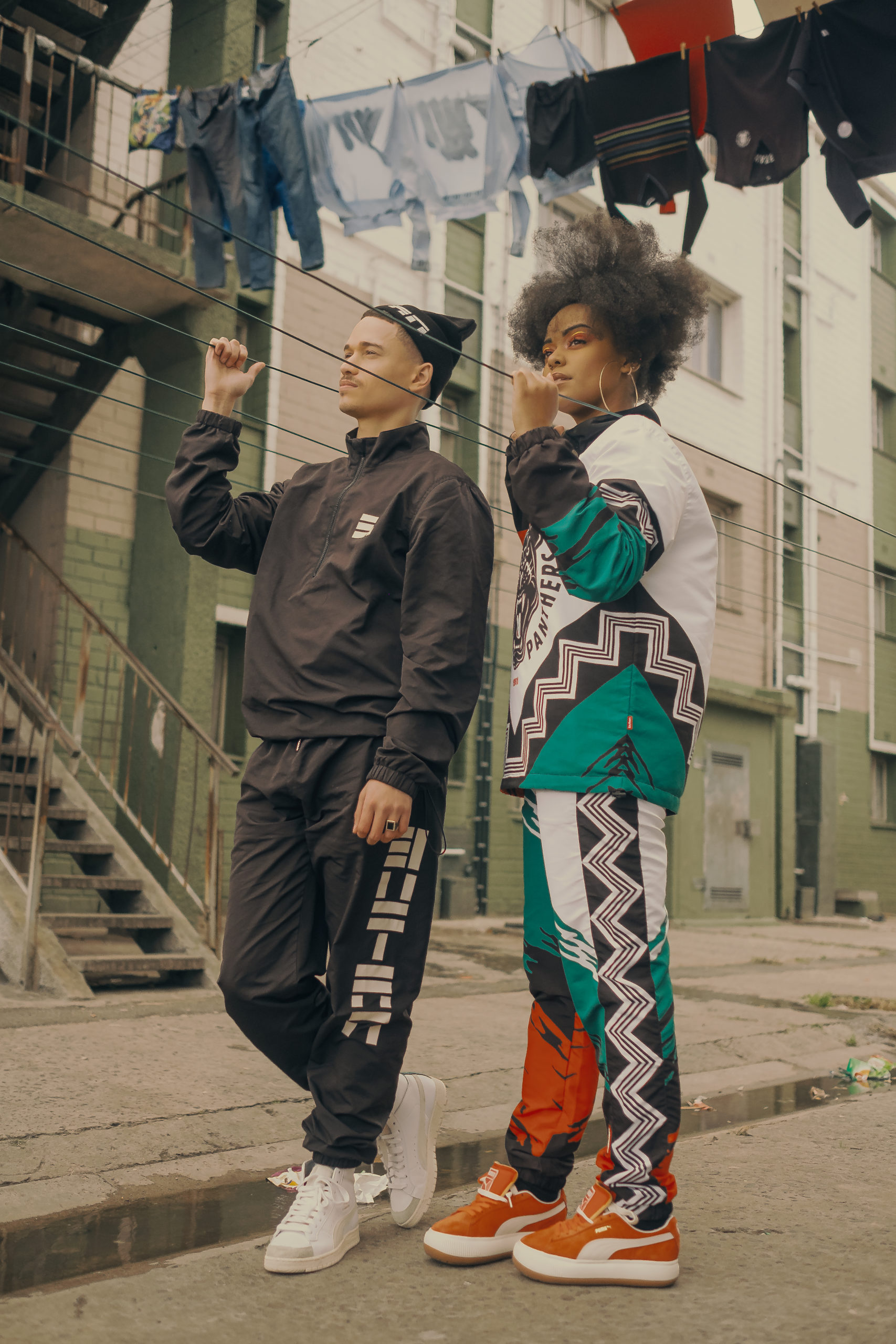
Streetwear also reclaims narratives. For decades, wearing “ghetto” clothes was frowned upon by African elites. But today, what was once dismissed as rough has become aspirational. A boy in Lagos rocking chains and sneakers is not just copying Western rappers, he is asserting presence in a world that erases him.
PC: Zkhiphani
The Global Attention
Culture
Read Between the Lines of African Society
Your Gateway to Africa's Untold Cultural Narratives.
The world is watching. Beyoncé’s Black Is King video featured African designers. Burna Boy and Wizkid perform in luxury streetwear from both local and global brands. Amapiano DJs flaunt South African street styles that fans across Europe now copy. African designers are showcasing at Paris Fashion Week, while street-inspired collections dominate online sales.
Yet, the biggest validation may not be global recognition. It is the fact that African streetwear has created its own ecosystem, where youths design, market, and wear what reflects their world without waiting for Western approval.
Challenges and Future
Still, there are challenges. High-end streetwear is often unaffordable for the average youth, making it more aspirational than accessible, and creating a gap between those who can participate fully and those who admire from a distance.
Counterfeit markets flood cities with fake designer logos, undercutting originality and threatening the growth of authentic African brands. Sustainability also raises questions: how will Africa balance its booming streetwear culture with environmental concerns tied to fast fashion, textile waste, and imported second-hand clothes that dominate local markets?
Yet, the future looks promising. Africa is young with over 60% of the population under 25 and this generation is digitally savvy, visually expressive, and unafraid to innovate. Streetwear has begun a movement that reflects how young Africans see themselves and how they want the world to see them, both locally and globally.
Conclusion
The runway is no longer in Paris or Milan. It is in the streets of Lagos, Nairobi, Accra, Johannesburg, Dar es Salaam, where everyday life meets fashion and creativity spills beyond traditional spaces.
It is in the thrift markets, on university campuses, at music concerts, and in every neighborhood where young Africans turn sidewalks into stages, transforming ordinary corners into platforms of visibility and cultural pride.
Streetwear is what Africa is becoming.