The Pitt's Controversial Season 2 Finale: Stars Confront Fan Backlash
The Season 2 finale of "The Pitt" leaves the future of Dr. Baran Al-Hashimi uncertain, highlighting a significant clash with Dr. Robby over her empathetic leadership style versus his domineering approach. This article also explores a unique Collider quiz that helps fans discover which fictional hospital, from "The Pitt" to "Grey's Anatomy," best suits their medical personality.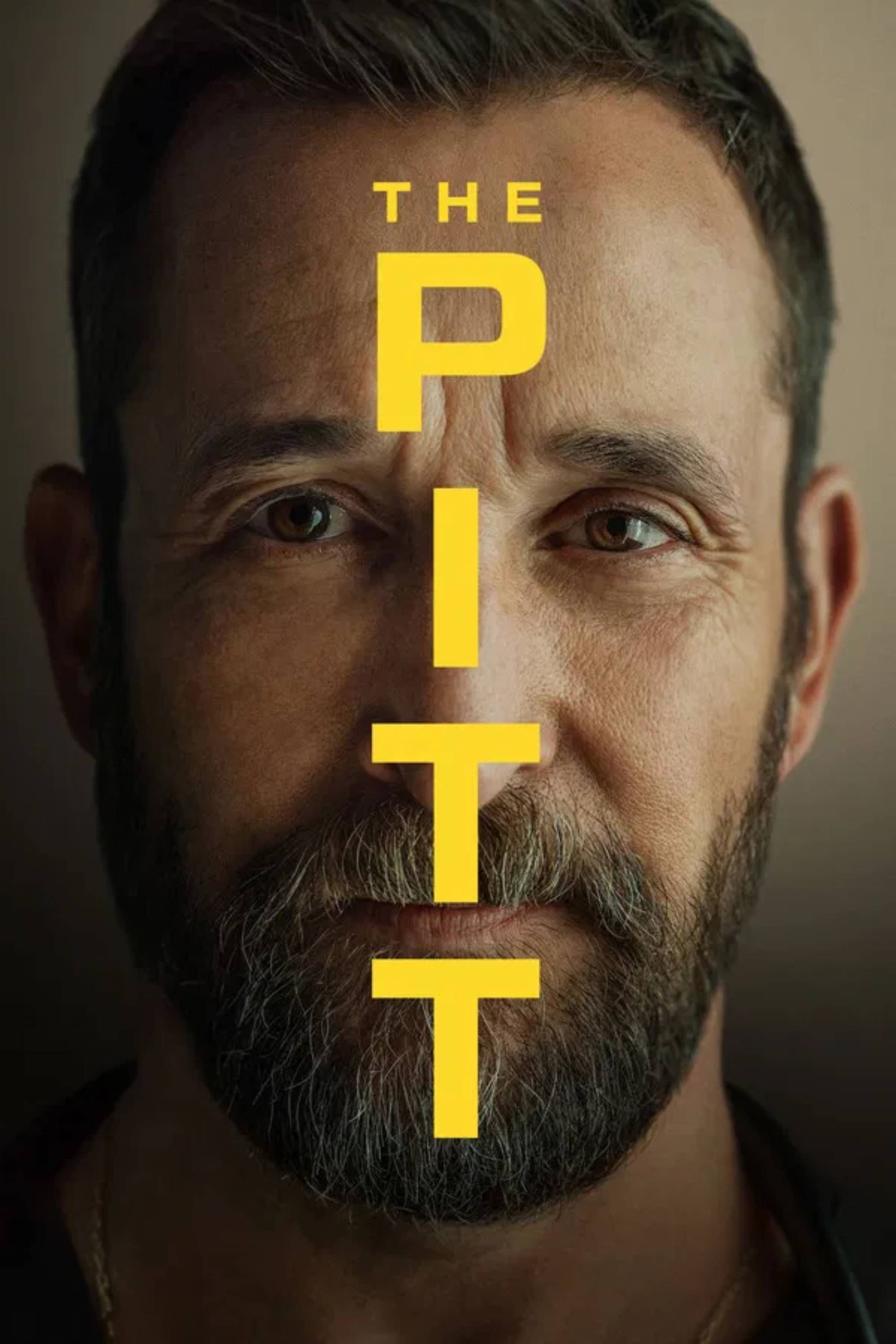
The acclaimed medical drama, "The Pitt," recently concluded its second season with a finale that aired last Thursday, leaving viewers with several unresolved character arcs and significant questions about the future of Pittsburgh Trauma Medical Center. While it has been confirmed that the Season 2 finale served as a farewell for Dr. Samira Mohan, portrayed by Supriya Ganesh, the fate of other pivotal characters, particularly Dr. Baran Al-Hashimi, played by Sepideh Moafi, remains uncertain.
A central tension in the series revolved around Dr. Al-Hashimi and Dr. Robby, with Noah Wyle in the role. Dr. Robby expressed strong discomfort with Dr. Al-Hashimi continuing to treat patients amidst her ongoing seizures, a concern she vehemently pushed back against. The episode concluded without a clear resolution regarding her potential return for Season 3.
Sepideh Moafi, in a recent interview on Collider Ladies Night with Perri Nemiroff, delved into the contrasting leadership philosophies of Dr. Robby and Dr. Al-Hashimi. Moafi characterized Dr. Robby's approach as traditional, domineering, and competitive, fostering an environment where only one leader can thrive. In stark contrast, Dr. Al-Hashimi leads with questions and an empathy-driven style, refusing to let her harrowing personal and professional experiences harden her. Moafi highlighted the disrespect inherent in Dr. Robby's overstepping, given their professional equality, suggesting a different interaction if a colleague like Dana (Katherine LaNasa) had discovered her condition, as Dr. Al-Hashimi trusts her colleagues' wisdom and experience.
Moafi also addressed the initial scrutiny Dr. Al-Hashimi faced, attributing it partly to her role as a disruptor to the established hospital rhythm and Dr. Robby's 'golden boy' status. She reflected on the harsher judgment her character, as a woman, endured, stating, "if this were a dude, they probably wouldn't be as hard on her in the beginning." Despite this, Moafi, as an actor, expressed enjoyment in instigating dialogue and debate among viewers.
Beyond the character dynamics of "The Pitt," Collider also presented an engaging quiz titled "Which Fictional Hospital Would You Work Best In?" This quiz, featuring hospitals from iconic medical dramas like "The Pitt," "ER," "Grey's Anatomy," "House," and "Scrubs," aims to determine a person's ideal fictional medical environment based on their instincts and temperament under pressure.
The quiz poses eight questions covering various aspects of medical practice: initial instincts with critical patients, motivations for entering medicine, desired qualities in colleagues, coping mechanisms for patient loss, self-described work style, attitude towards hospital protocol, personal toll of the job, and what compels one to return to work. Each question offers multiple-choice answers, leading to a personalized hospital assignment.
The outcomes delineate distinct professional personalities suited for each fictional hospital:
- Pittsburgh Trauma Medical Center (The Pitt): For those who seek an unsparing, realistic, and unromanticized version of emergency medicine, valuing honesty over aesthetics, finding purpose in the work itself, and accepting the constant personal cost.
- County General Hospital, Chicago (ER): For steady, dependable individuals who keep the floor running, prioritize individual patient care, believe in the system despite its flaws, and possess the endurance necessary for emergency medicine.
- Grey Sloan Memorial Hospital, Seattle (Grey's Anatomy): For those who bring their whole selves – ambitions, emotions, relationships – to work, form deep attachments, thrive amidst chaotic entanglement of personal and professional lives, and believe extraordinary medicine arises from profound human connection.
- Princeton-Plainsboro Teaching Hospital, NJ (House): For individuals drawn to the intellectual puzzle of medicine, focusing on the hidden diagnosis and the symptom that doesn't fit, thriving in high-stakes situations where standard answers fail, and possessing a brilliant, albeit difficult, mind.
- Sacred Heart Hospital, California (Scrubs): For those who understand the tragic and absurd nature of medicine, using humor as a coping mechanism, leaning on colleagues for support, and embracing the journey of learning and growth within the profession.
For those eager to delve deeper into "The Pitt," the first two seasons are available for streaming on HBO Max, and Collider continues to provide updates and coverage for a potential Season 3. Additionally, a newsletter offers further analysis and interviews related to the series.