The Naira's Recent Stability: Temporary Relief or the Start of a Real Recovery?
After years of steep decline, the naira has shown unexpected stability. But is Nigeria’s currency truly recovering, or is this just a temporary calm driven by policy intervention and fragile economic factors?
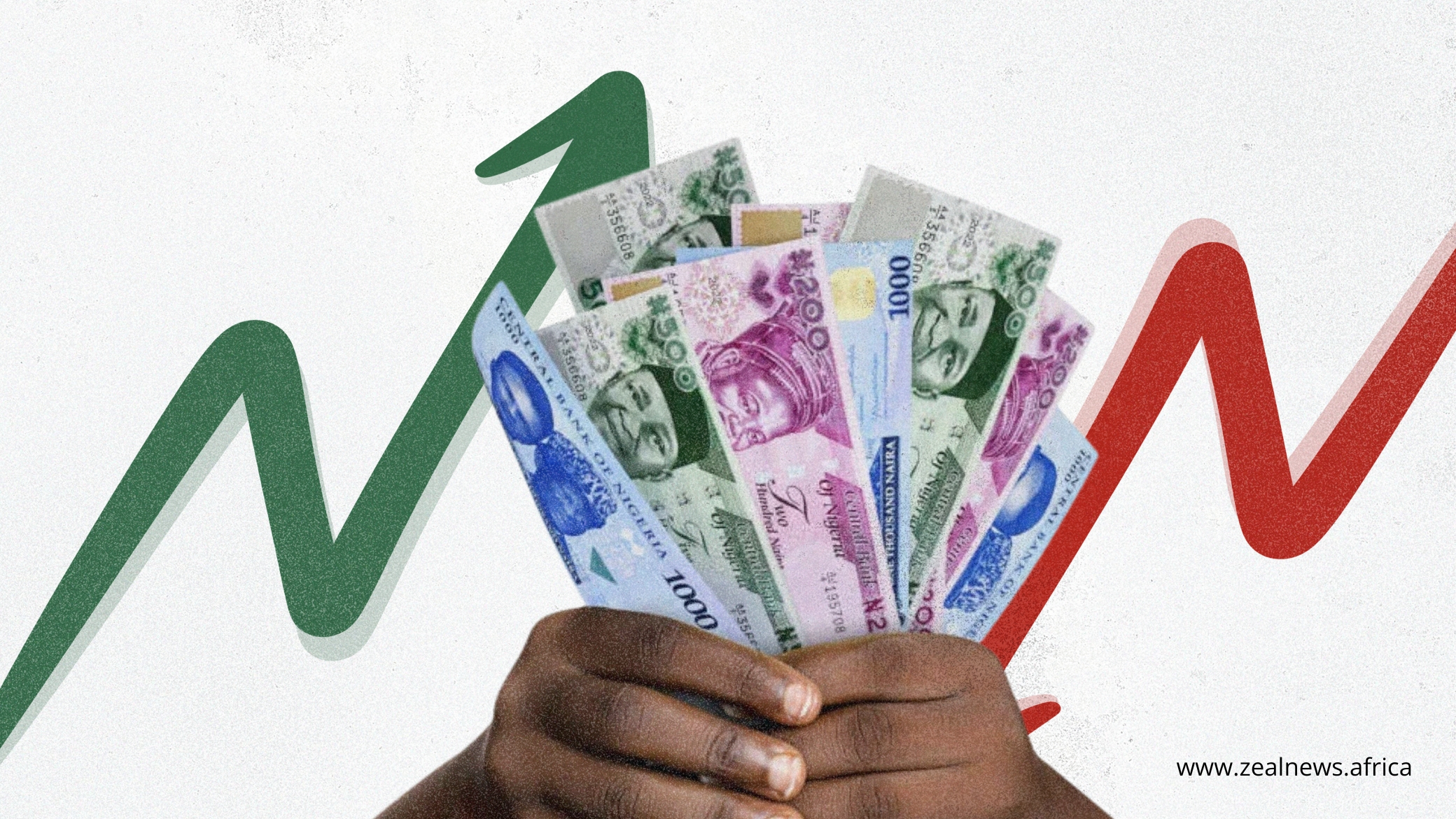
If you have been paying attention to crypto lately, you already know the feeling of watching something unstable suddenly go quiet.
Bitcoin hit an all-time high of $122,000 in 2025, then fell to around $66,000 and right now, the market is sitting in a cautious consolidation phase, with analysts split between "this is a buying window" and "the cycle might be over."
Sound familiar? It should, because the naira is doing something kind of similar. After years of free fall that left wallets and savings accounts bleeding, Nigeria's currency has quietly staged its best performance in over a decade.
The big question everyone is asking, just like with crypto, is this: is the calm real, or is it just the eye of the storm?
What Actually Happened
Let's start with the facts.
The naira ended 2025 with a gain of over 7% against the US dollar, its strongest annual performance in more than ten years. That is not nothing.
For most of 2025, the currency traded within a relatively predictable range, which meant businesses could actually plan, importers could breathe, and regular people stopped waking up to shock exchange rates on the news.
A big part of the story is Nigeria's external reserves, which surged to $50.45 billion as of February 2026, the highest level in roughly 13 years.
To put that in perspective, the country's net reserves were sitting at just $3.99 billion at the end of 2023. That is a 772% jump in two years.
The CBN didn't just stumble into this. Governor Cardoso and his team pushed through a serious reform agenda.
They unified the exchange rate windows, introduced the Electronic Foreign Exchange Matching System (EFEMS) to bring transparency to FX trading, enforced export proceeds repatriation, and cleared a $7 billion FX backlog that had been scaring off foreign investors for years.
The results showed up where it mattered.
The gap between the official and black market rates, historically a sign of how broken the system was, narrowed to about 2.11% by December 2025, down from nearly 6% the year before.
But Don't Pop the Champagne Yet
However, it is not time to celebrate yet. March 2026 has already reminded us that the naira can still bleed.
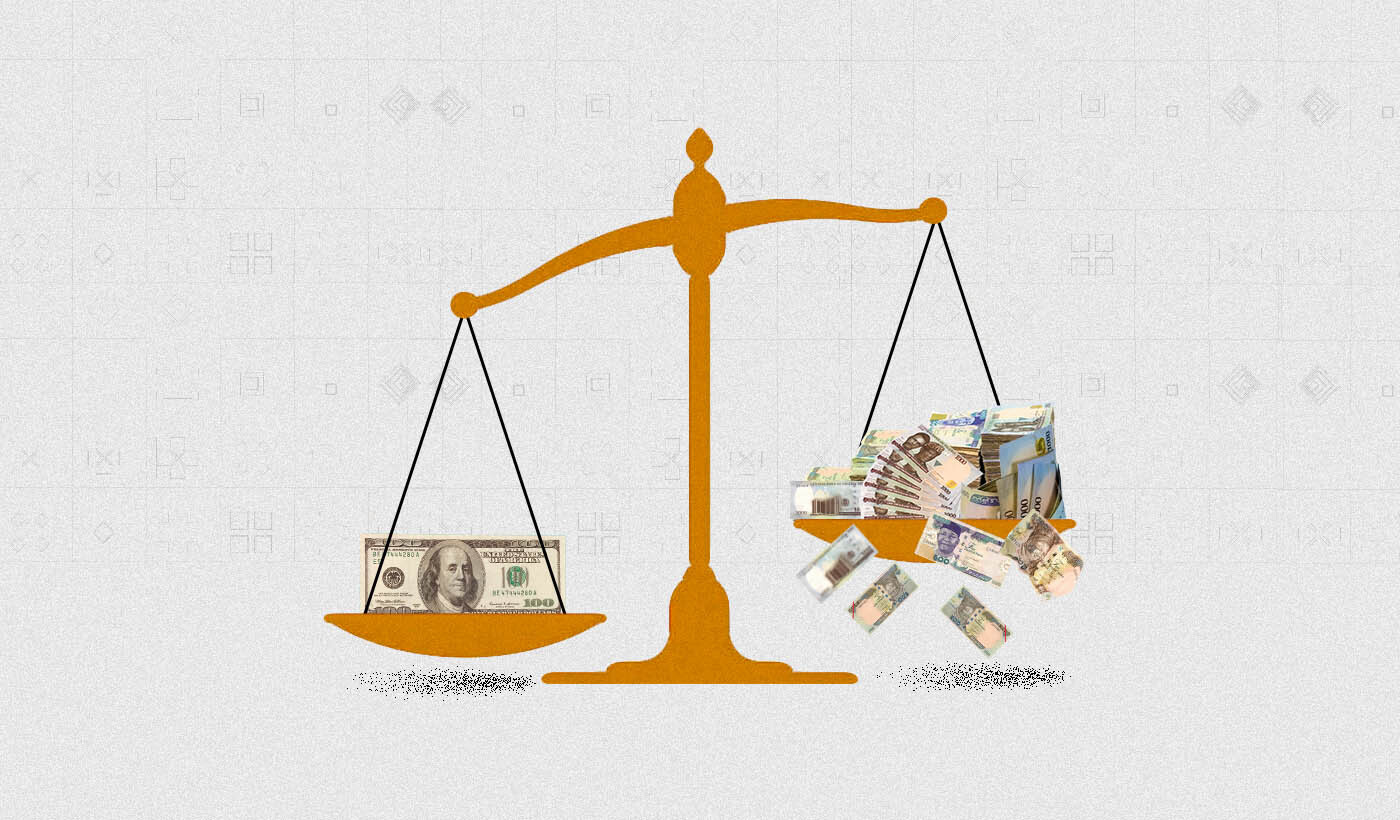
The currency resumed a downward drift earlier this month, sliding toward N1,390/$ and extending a depreciation stretch that has lasted nearly two weeks.
That kind of move, quiet but persistent, is exactly what sceptics were warning about.
The deeper problem hasn't gone away. Nigeria's economy is still dangerously tied to oil.
When crude prices dip or production disappoints, the FX inflows dry up fast and the pressure on the naira returns.
Citibank's economist was blunt about it, projecting the naira could weaken to between N1,650 and N1,700 by mid 2026, citing lower crude oil prices and the CBN's new monetary easing cycle as the main risks.

That is a depressing forecast, and it is not coming from some random Twitter analyst.
There is also a question about the nature of the stability itself.
A lot of what is holding the naira up right now is CBN intervention. The bank spent $7.53 billion in the FX market in 2025 alone.
That kind of support can work for a while, but it is not the same as a currency being strong on its own legs. If the intervention dries up or reserves take a hit, you are back to square one.
What Real Recovery Actually Looks Like
A genuine recovery is not just about the exchange rate sitting still for a few months. It is about the economy producing enough foreign currency on its own, through exports, remittances, manufacturing, services, that the CBN doesn't have to keep writing cheques to keep the market calm.
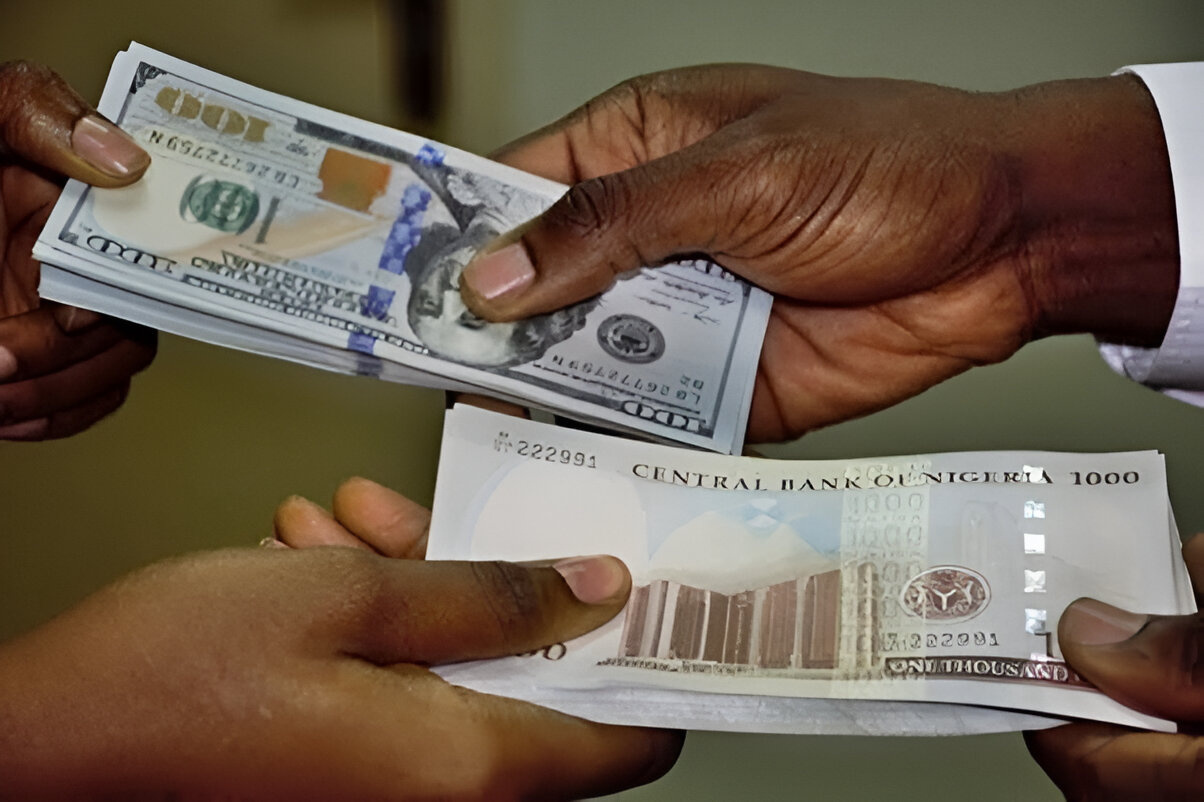
Some of the building blocks are showing up.
Diaspora remittances hit $15.47 billion in the first nine months of 2025 alone, which is massive. The Dangote Refinery reaching higher capacity is quietly reducing petrodollar outflows from petroleum imports.
Inflation has been falling for eleven straight months, dropping to 15.1% in January 2026. These aren't small wins.
But Nigeria still attracts less than $2 billion in net foreign direct investment annually. That number needs to grow significantly before anyone can call this a structural recovery rather than a policy-driven stabilisation.
The Bottom Line
The naira's recent calm is not a fluke. The reforms are real, the numbers back them up, and Nigeria is genuinely in a better place than it was in 2023.
But just like sitting on Bitcoin gains during a consolidation phase, the worst move right now is to assume the work is done.
The naira has survived its worst years.
Whether it truly recovers depends on whether Nigeria's policymakers stay the course and whether the economy can finally start growing in a way that doesn't rise and fall with every barrel of crude oil.