The History Of An Unwritten Office Rule: Who Decided Fridays Are for Native Wear in Nigeria?
Every Friday, Nigerian offices turn into fashion showcases. But who started the native-wear tradition, and what do government reports reveal about its history?

By Monday morning, Nigerian offices are back to their usual uniform of corporate shirts, trousers, blazers and dresses. Tuesday looks much the same, Wednesday passes, Thursday follows, and then Friday arrives.
Suddenly, the office looks like a fashion showcase. Men appear in embroidered senator outfits, women arrive in Ankara gowns, and traditional caps complete outfits that would not look out of place at a wedding.
Nobody sends a national announcement reminding Nigerians to dress traditionally. Yet, in many workplaces, Friday native wear has become an unwritten rule.
But who started it? Did the government declare Fridays a day for indigenous clothing, or did Nigerians collectively decide that the final working day deserved a different wardrobe?
The answer involves government initiatives, workplace culture and a long history of Nigerian fashion. There is evidence of organised efforts to promote Friday native wear, but no established evidence that one person created the tradition nationwide.
Did The Government Start Friday Native Wear?
A paper published in the University of Jos Fine and Applied Arts Journal traces one early effort to promote weekly indigenous dressing to Anambra State in the 1980s.
According to researcher Olive Adaobi Iweka, former military administrator Samson Emeka Omerua introduced the practice of wearing indigenous attire weekly in the state.
That account offers a possible starting point for understanding how traditional clothing became part of the working week. However, it does not establish that Omerua originated the practice across Nigeria
The story did not end at the state level. Iweka's paper also reports that the federal government launched a National Friday Wear Programme on January 10, 2011, in Abuja.
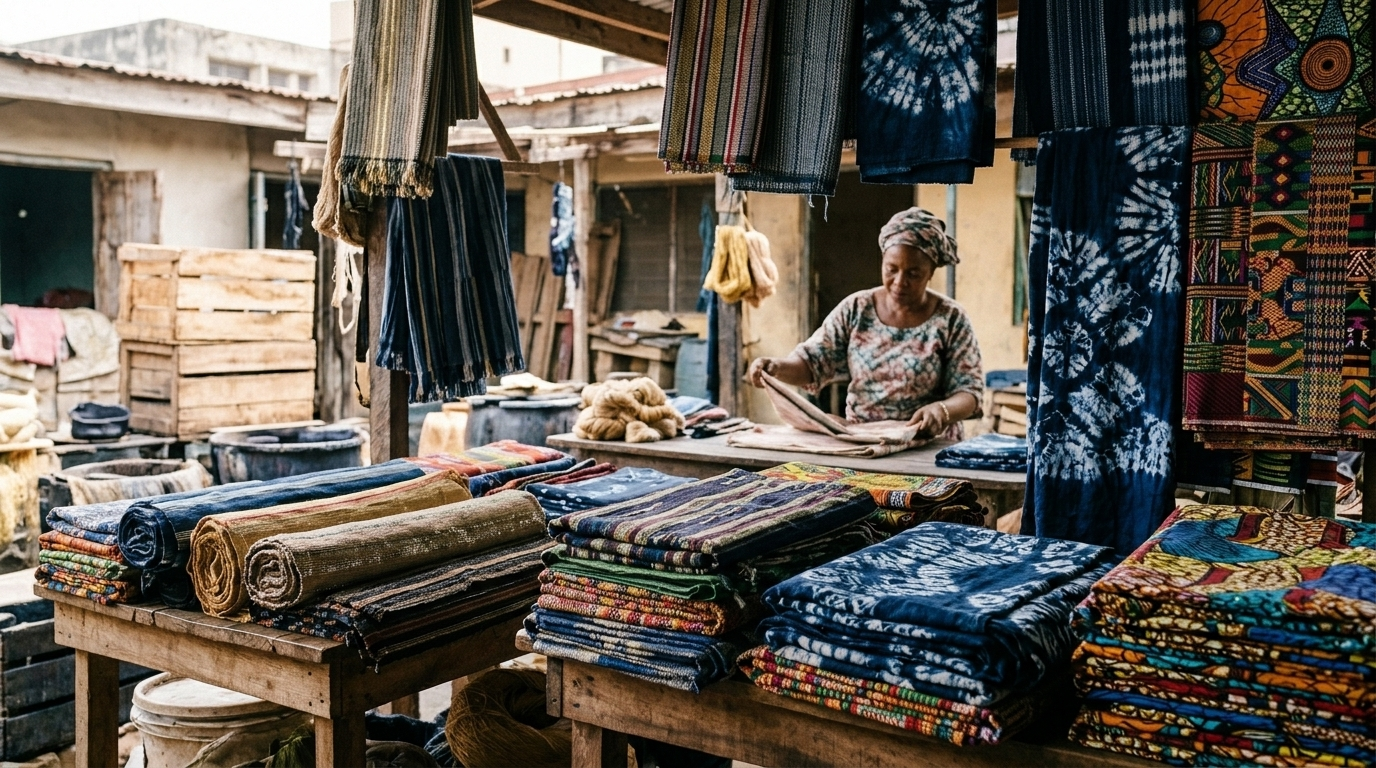
The programme encouraged employees in public and private organisations to wear locally produced fabrics on Fridays. Its reported objectives included promoting Nigerian textiles, supporting local production and encouraging people to patronise domestic businesses.
The National Institute for Cultural Orientation has also advocated indigenous dressing as a way to preserve Nigerian heritage and support economic activity within the fashion industry.

These initiatives suggest that Friday native wear was more than a casual fashion preference. Government institutions recognised its potential to promote local clothing and cultural identity.
However, there is an important difference between encouraging a practice and inventing it. The available accounts document efforts to promote traditional dressing, but they do not prove that the federal programme created the habit or that every Nigerian workplace adopted it because of the initiative.
The evidence points to organised promotion of Friday native wear, not one nationwide declaration that settled the matter for every Nigerian.
Why Did Friday Become The Day To Dress Traditionally?
To understand the appeal of Friday native wear, it helps to look at how Nigerians dress for work.
Western-style corporate clothing became associated with formal professional environments, particularly under British colonial administration.
Shirts, suits and structured dresses became familiar features of office life, while traditional garments continued to feature prominently at ceremonies, religious gatherings and community events.
Research from Stanford University's Food Security Initiative, in its work on Yoruba clothing and textile traditions, discusses how colonial influence affected clothing choices and how Nigerians adapted imported fabrics and styles.
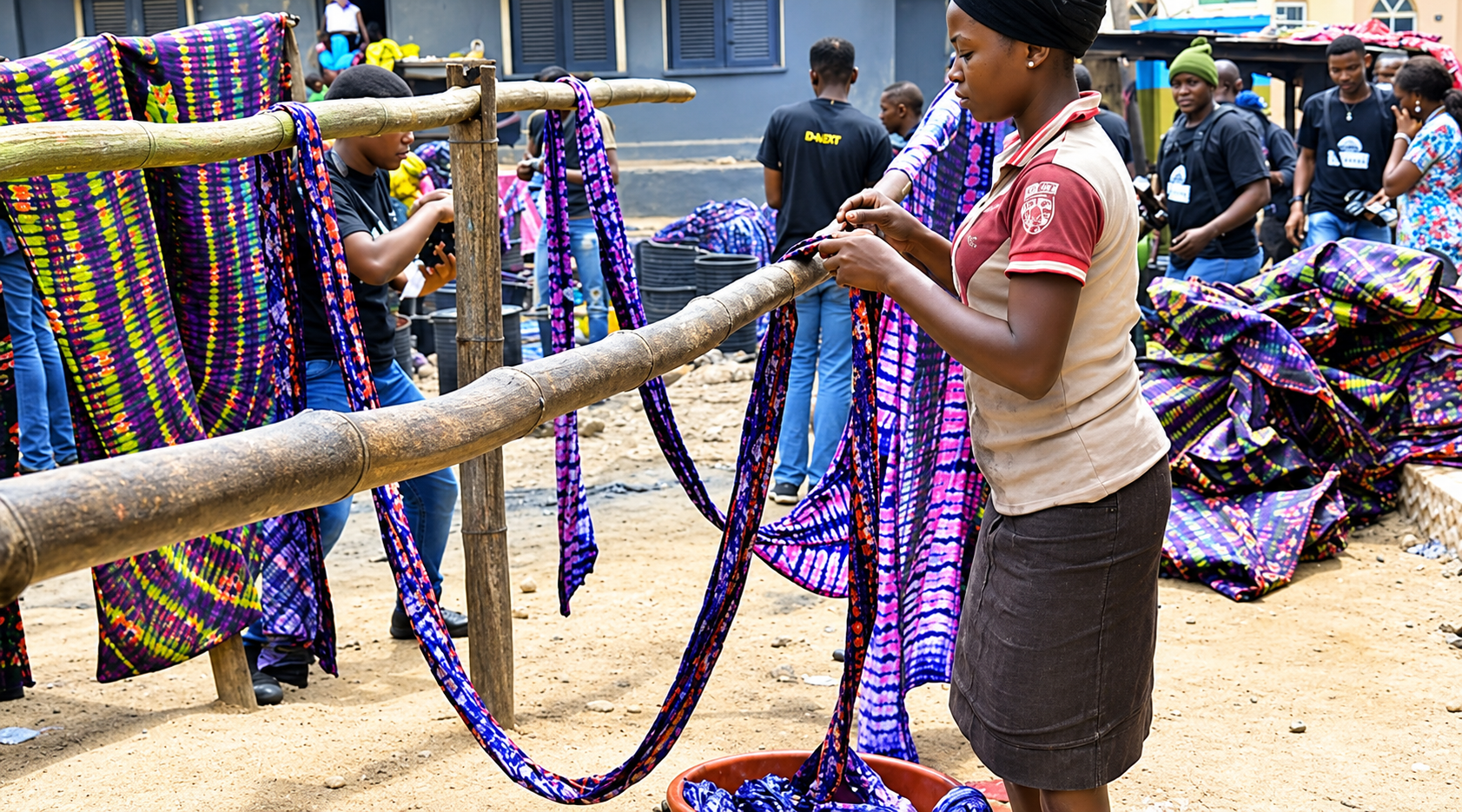
Traditional clothing did not disappear. Instead, Nigerians continued combining different influences, creating a fashion culture in which Western and indigenous styles coexist.
Friday offered an opportunity to bring traditional clothing into professional spaces without abandoning workplace expectations entirely. Rather than wearing corporate outfits throughout the week, employees could finish the working week in garments that reflected their cultural backgrounds and personal tastes.
Religion may also help explain the choice of day. Friday is significant to Muslims because of Jumu'ah, the congregational prayer observed around midday. Traditional garments, including kaftans and babban riga, are commonly worn by many Muslim men.
This overlap may have strengthened the visibility of traditional dressing on Fridays in some communities and workplaces. However, it would be inaccurate to attribute the entire Nigerian practice to Islam. Friday native wear is also common among people of other religious backgrounds.
Workplace culture provides another explanation. Some employers permit traditional clothing or smart casual outfits on Fridays, giving staff a break from formal corporate dressing.
Once enough employees participate, the practice becomes familiar to new workers, who follow the established custom.
Before long, nobody needs to explain the arrangement. People simply know what Friday means in their office.
Friday native wear has grown through overlapping cultural, religious and workplace influences, rather than a single explanation that applies to every Nigerian.

What Does Friday Native Wear Mean For Nigerian Fashion?
There is more to the tradition than looking different at work. The clothes people choose can also connect them to a much larger industry.
Nigeria has diverse textile traditions, including aso-oke, Akwete cloth and adire. Each has its own production techniques, cultural associations and history. Contemporary designers continue using these materials in garments that combine traditional elements with modern tailoring.
The National Institute for Cultural Orientation identifies indigenous clothing as part of Nigeria's cultural heritage and highlights the potential economic benefits of promoting it.
When customers purchase outfits from Nigerian designers, tailors and fabric sellers, they can contribute to local businesses. A Friday outfit may involve several people, including the fabric merchant, fashion designer, embroiderer and tailor.
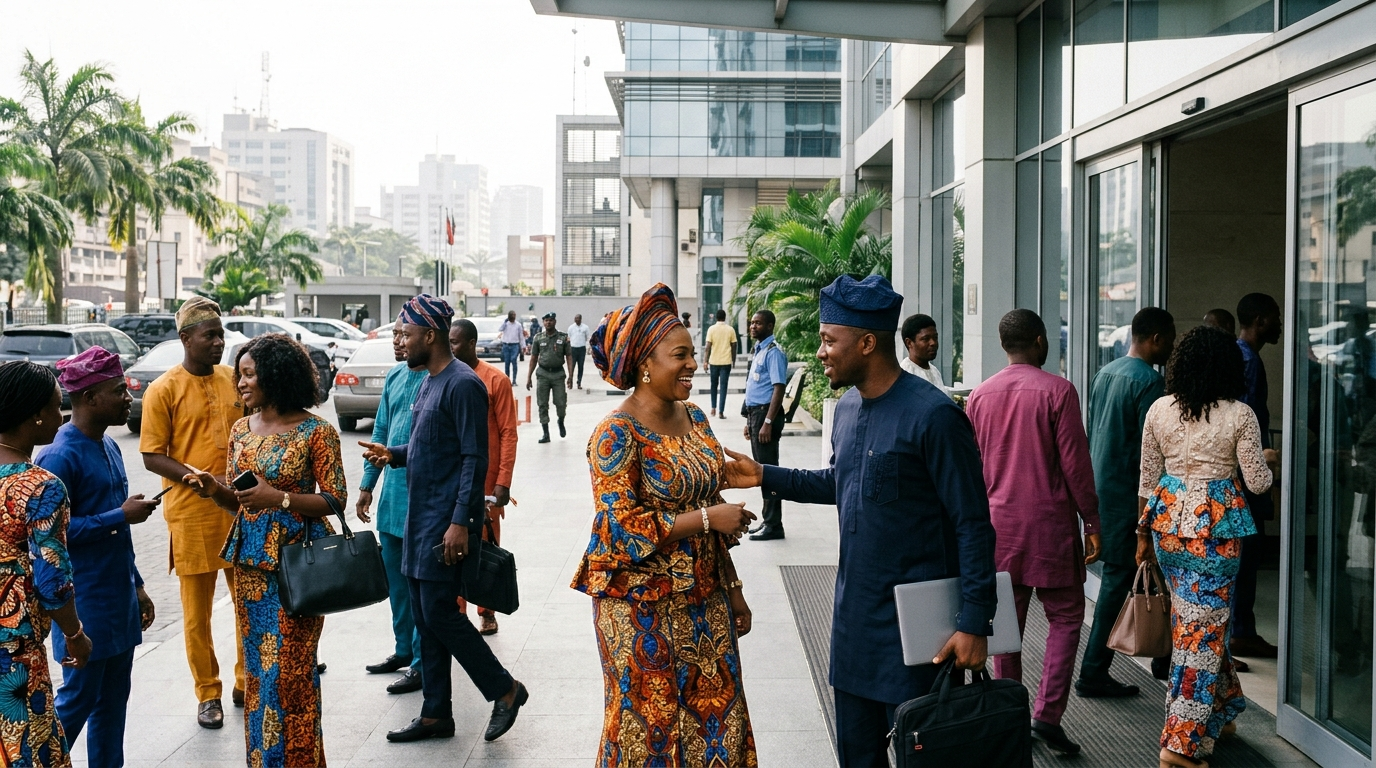
However, wearing native clothing does not automatically mean supporting locally manufactured textiles. Ankara, for example, is widely used in Nigerian fashion, but fabrics sold in Nigerian markets may be manufactured in different countries. Traditional-looking clothing and locally produced fabric are not necessarily the same thing.
The tradition also allows Nigerians to express cultural identity in everyday settings. Yoruba iro and buba, Igbo isiagu, northern Nigerian babban riga and other regional garments appear in contemporary fashion, sometimes beyond the communities with which they are traditionally associated.
Younger designers are also experimenting with indigenous fabrics, new silhouettes and modern styling. Friday dressing gives these creations a visible place in professional life.
Still, not every Nigerian workplace follows the tradition. Some organisations maintain strict corporate dress codes, while others permit casual clothing without requiring traditional outfits. Participation depends on the employer, the employee and the workplace environment.
So, who decided Fridays are for native wear in Nigeria?
Historical accounts identify early promotional efforts in Anambra State and a federal programme launched in 2011. Neither establishes a single founder of the nationwide custom.
The tradition has endured because it fits into everyday Nigerian life: it offers a break from corporate dressing, celebrates cultural expression and creates opportunities for the fashion industry.