The Hidden Truths About Lymph Nodes That Could Save You Unnecessary Worry
Swollen lymph nodes don't always mean cancer. Here's what they actually do, why they swell, and the real signs that warrant a doctor's visit.
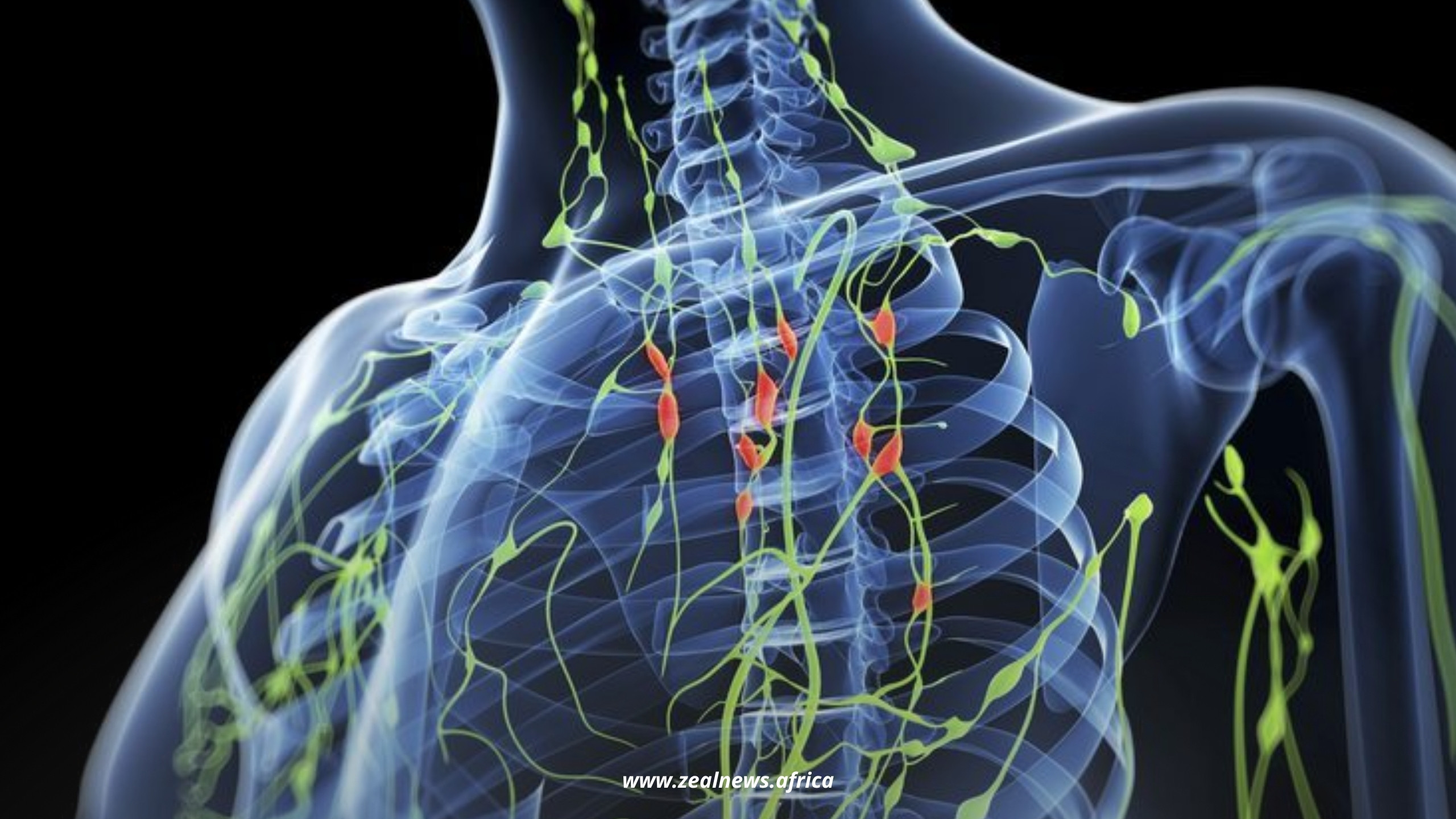
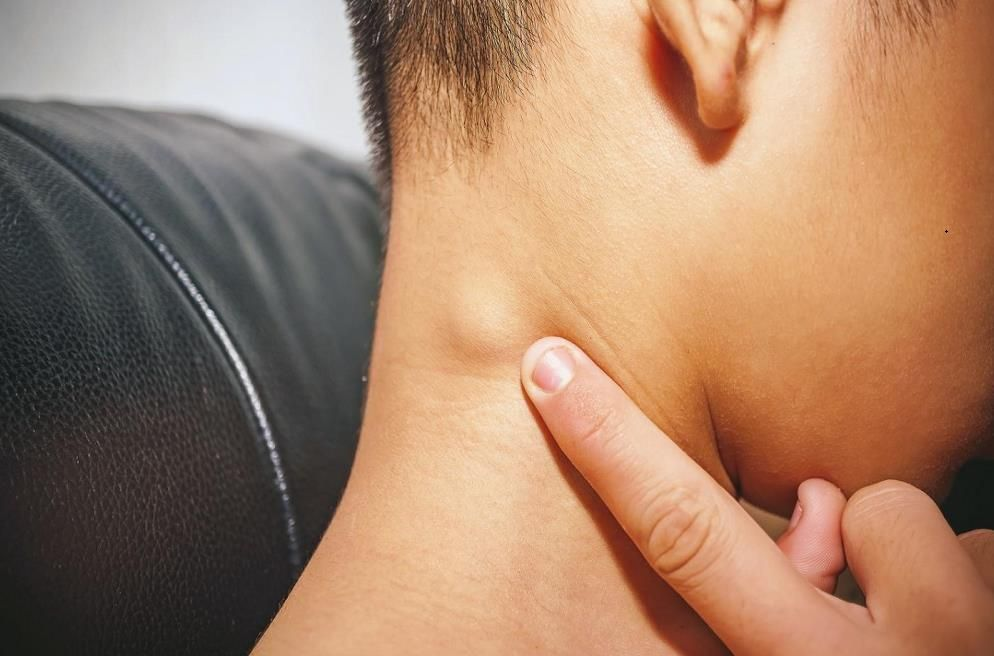
You have felt it before; that small, tender lump under your jaw or in your armpit and suddenly your mind jumps straight to the worst-case scenario.
For many young persons glued to wellness TikTok and "detox" influencers, lymph nodes have become one of the most misunderstood parts of the body. Between viral claims about lymphatic drainage massages melting fat and the instant panic that swollen glands mean cancer, the truth about lymph nodes has gotten buried under noise.
Here is what is actually going on inside you, and why most of that anxiety is unnecessary.
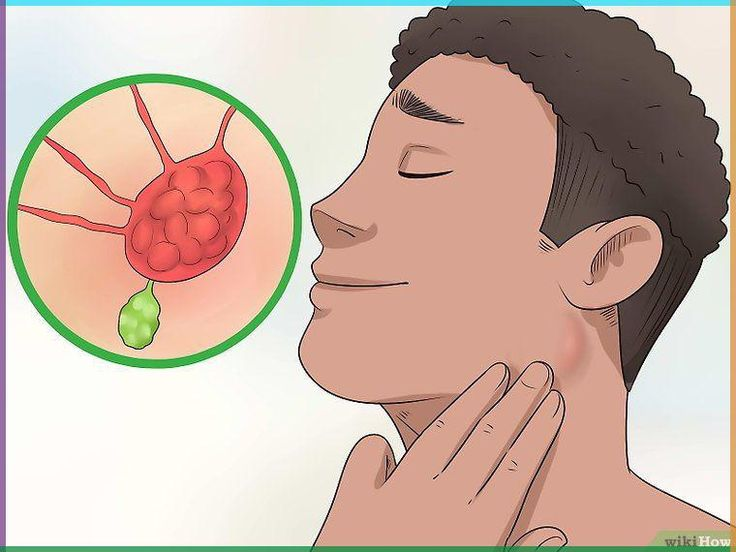
What Are Lymph Nodes?
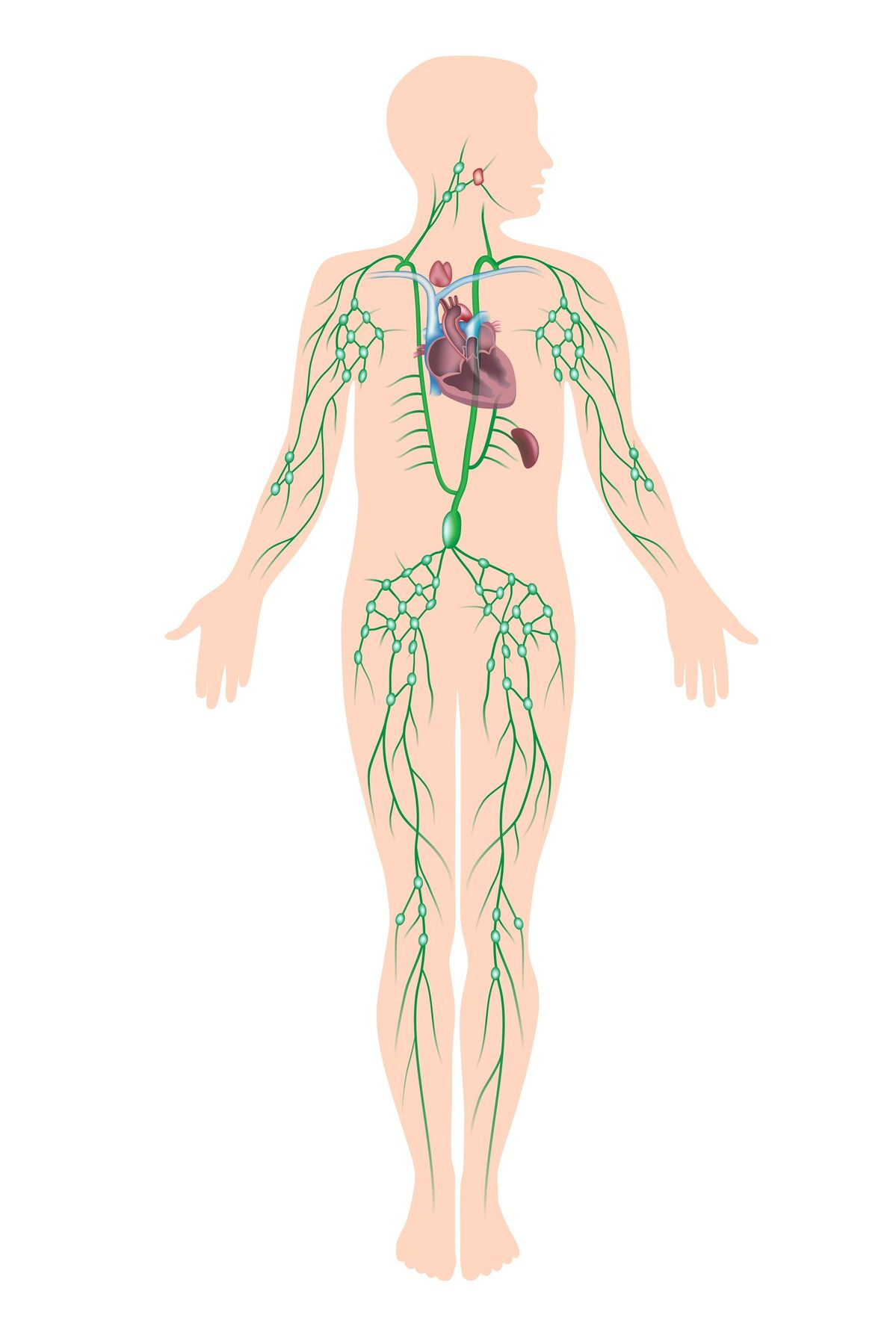
Lymph nodes are small, bean-shaped structures scattered throughout your body, with clusters in the neck, armpits, groin, chest and abdomen. They are part of the lymphatic system which are a network of vessels and tissues that runs alongside your blood vessels and quietly handles the body’s defense.
Each node acts like a checkpoint, filtering a clear fluid called lymph as it moves through the body. Inside, white blood cells called lymphocytes inspect that fluid for anything suspicious whether bacteria, viruses, damaged cells, and mount a response.
You have roughly 600 lymph nodes in total, though only a handful, in the neck, underarms, and groin, are ever large enough to be felt.
The Real Function of Lymph Nodes in Your Immune System
Think of your lymph nodes as the security team of your immune system. When an infection shows up, anything from a sore throat to a skin cut, nearby lymph nodes spring into action and produce extra immune cells to fight it off.
That is why they swell. It is the evidence your body is working exactly as it should. Research on the lymphatic system has consistently found that this swelling, known as lymphadenopathy, is one of the most common and least dangerous symptoms doctors encounter, usually tied to ordinary infections rather than anything serious.
In most cases, the swelling settles on its own within one to two weeks once your immune system finishes the job.
Lymph Nodes and Weight Loss: Separating Fact From TikTok Fiction
If you have scrolled past a video promising that lymphatic drainage massage or "detoxing your lymph nodes" will melt belly fat, you are not alone and you have also been misled. Lymph nodes do not store fat and stimulating them does not burn calories.
What lymphatic drainage techniques can genuinely help with is reducing fluid retention and puffiness, which is why people sometimes feel lighter afterward, but that is water movement, not fat loss.
Studies on manual lymphatic drainage have shown benefits mainly for medical conditions like lymphedema, a swelling disorder, not for weight management in otherwise healthy people.
Save your money on detox teas and lymph-focused slimming kits; sustainable weight loss still comes down to nutrition, movement, and sleep, not massaging glands you can't actually control.
If a brand's entire pitch hinges on "draining toxins" through your lymph nodes, treat that as a marketing buzzword rather than a medical fact.
Do Swollen Lymph Nodes Mean Cancer? Here's What Research Actually Shows
This is the misconception that causes the most needless panic. It is true that cancer can sometimes spread through lymph nodes, which is why oncologists check them, but a swollen node is far more likely to mean your body caught a cold than that you have cancer.
Large clinical reviews on lymphadenopathy have repeatedly found that the overwhelming majority of swollen lymph node cases in young, otherwise healthy people trace back to viral or bacterial infections not malignancy.
Doctors generally only get concerned when a node feels hard rather than soft, doesn't move when pressed, keeps growing for more than a few weeks, or shows up alongside unexplained weight loss, night sweats or persistent fatigue.
A node that is tender, mobile, and shrinks within two to three weeks is almost always your immune system doing its job, not a tumour announcing itself.
Context matters too: a 20-something with a sore throat and a tender neck lump is in a completely different risk category from someone with multiple painless, hardening nodes that refuse to shrink for months.
When You Should Actually See a Doctor About Swollen Lymph Nodes

Unnecessary worry is exhausting, but ignoring real warning signs isn't smart either. Book a check-up if a lymph node is larger than two centimetres, feels rock-hard or fixed in place, keeps growing past four weeks, or comes with fevers, fatigue or unexplained weight loss lasting longer than two weeks.
Outside of those signs, give your body the time it needs to do what it already knows how to do.
Your lymph nodes aren't sabotaging you or hiding a secret diagnosis; they are proof that your immune system is alert and working. Understanding how they actually function, instead of panicking at every TikTok health scare, is the real flex.