The Groundnut Pyramids Once Dominated Kano. What Happened to Them?
Nigeria’s famous groundnut pyramids once reflected a booming agricultural export trade in Northern Nigeria. How did that trade grow so large, and what brought the pyramids to an end?
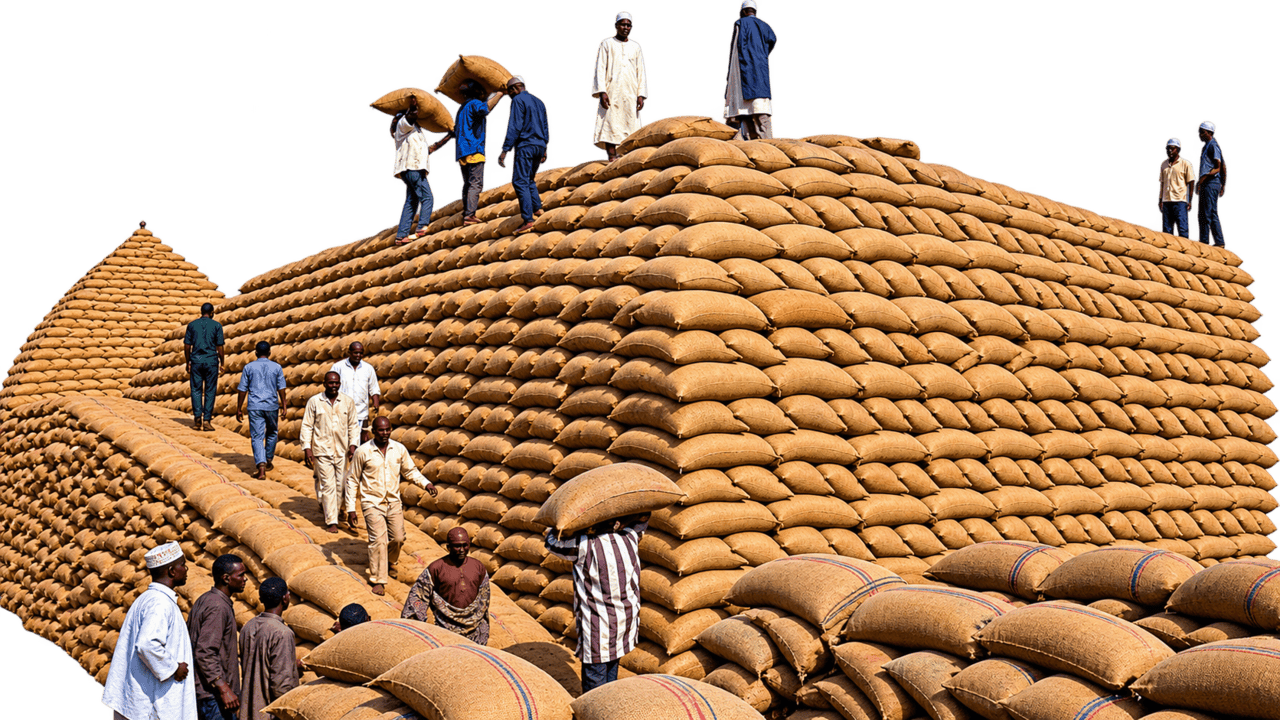
Farmers brought their groundnuts into Kano, merchants bought and stored them, and railway workers moved them south towards Lagos. When the harvest came faster than the trains could carry it, the sacks began to pile up.
Those stacks became known as the groundnut pyramids, part of a trade that connected farms across Northern Nigeria to Kano, the railway to Lagos and buyers overseas. At its peak, Nigeria was producing around 1.6 million tonnes of groundnuts a year.
So how did a crop that once shaped the economy of Northern Nigeria lose the system that made those famous pyramids possible?
How groundnuts turned Kano into an export centre
Commercial groundnut farming expanded in Northern Nigeria from around 1912, as farmers responded to strong world demand and prices.
Kano became the centre of the trade partly because the railway connected it to Lagos and the coast.
Nigerian merchants also built businesses around the crop.Alhassan Dantata, one of Kano's prominent merchants, developed a network of agents and suppliers who bought groundnuts from farmers.
By the early 1920s,he had become the Niger Company's largest supplier of the crop.
Why were groundnuts stacked into pyramids?
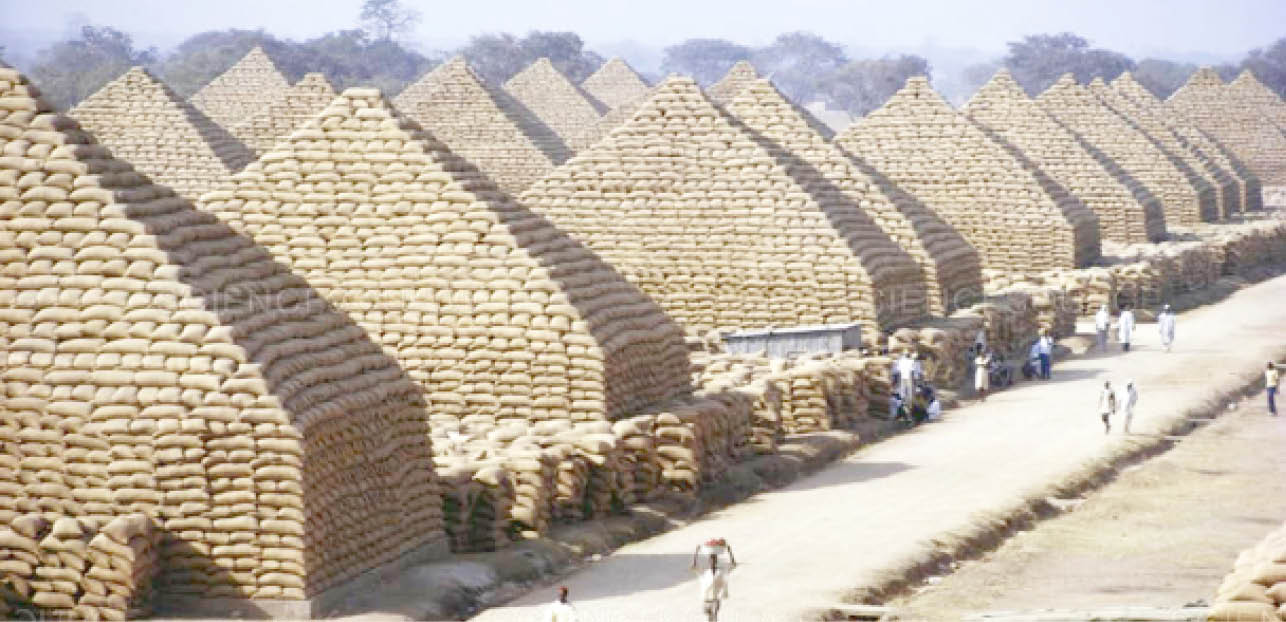
Harvests could arrive faster than the railway could carry them south, leaving merchants with large quantities to store.
The groundnuts were packed into jute sacks and stacked into pyramid-shaped structures, often close to warehouses and railway lines.
A 1950s account recorded about 150,000 tonnes of groundnuts stored in pyramids around Kano, with another 240,000 tonnes held elsewhere. By the 1960s,production had grown so much that railway capacity could no longer keep pace.
When the groundnut boom began to break
History
Rewind the Stories that Made Africa, Africa
A Journey Through Time, Narrated with Insight.
The decline came through several pressures.
Rosette disease caused major losses during epidemics. The 1975 outbreak resulted in more than half of expected yields being lost in affected areas, while later outbreaks continued to damage production. Drought and changing rainfall patterns also made cultivation harder.
The economic structure around the crop was changing too and Nigeria was shifting towards petroleum revenue, while the agricultural marketing system that had supported large-scale groundnut exports was being weakened and reorganised.
Groundnuts did not stop being grown. The system that had made Northern Nigeria a major exporter was losing its scale.
What happened to the pyramids?

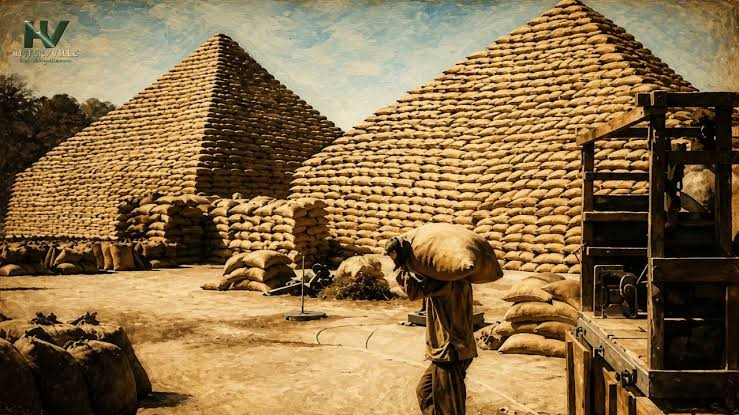
As production, storage and export volumes fell, the huge piles of sacks waiting beside Kano's railway lines were no longer needed.
The groundnut pyramids stopped being built, but the crop remained part of Nigerian agriculture, used for food, oil and other products.
What ended was the enormous export trade that had once brought groundnuts from farms across Northern Nigeria into Kano by the thousands of tonnes.