The Beauty of Jos, That Once Was
Explore the breathtaking scenes of Jos in Plateau state.
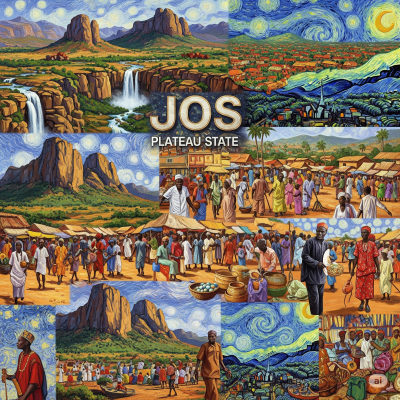
Nestled atop the Jos Plateau in central Nigeria lies a land famed for its breathtaking natural wonders and temperate climate—a rare gift in a country known mostly for its tropical heat. Jos, often called the “Home of Peace and Tourism,” was once celebrated for its rolling hills, unique rock formations, verdant landscapes, and an agricultural bounty unlike anywhere else in Nigeria. This beauty, however, drifts slowly into the past, as the region today grapples with insecurity that threatens both its natural environment and the livelihood of its people.
Plateau State was officially created on February 3, 1976. It was carved out from the former Benue-Plateau State during a nationwide state creation exercise by the Nigerian military government under General Murtala Mohammed.
Jos is the capital of Plateau State. The area has been inhabited for centuries by various ethnic groups, with the Berom people considered the largest and indigenous inhabitants. Other indigenous groups include the Afizere (Jarawa) and Anaguta peoples, each with distinct languages, cultures, and traditions.


The landscape of Jos is dominated by the Shere Hills, majestic volcanic peaks that offer panoramic views of the plateau below. These hills, along with striking formations like Riyom Rock and the peaceful Assop Falls, create a natural tapestry that draws hikers, nature lovers, and tourists seeking respite from urban chaos. The cool climate—an anomaly in the Nigerian context—nurtures an environment where unusual crops flourish. Among these, strawberries stand out as a unique and prized fruit. Unlike most parts of Nigeria where tropical fruits dominate, the temperate weather of Jos enables farmers to cultivate strawberries, apples, peaches, and even grapes, fruits rarely grown elsewhere in the country.

Photo Credit: @iamfirstearl

Image Above: British high commissioner to Nigeria Catriona Laing shopping at Jos’s Farmers Market
This distinctive agriculture made Jos not only a scenic wonderland but also an agricultural hub, producing fresh fruits and vegetables that fed local communities and supplied markets nationwide. The strawberry fields of Jos, in particular, became symbolic of the city’s unique climate and agricultural potential, drawing visitors during harvest seasons eager to taste this sweet rarity.
Yet, the beauty and bounty of Jos that once were have been profoundly impacted by the insecurity that has swept across parts of Nigeria. Over recent years, waves of violence, clashes between different communities, and the presence of armed groups have disrupted daily life. This turmoil has forced many farmers to abandon their lands, while tourism—a critical industry for Jos—has declined drastically. The peaceful hills and serene waterfalls now echo with a silence born not of tranquility, but of fear.
Amid these challenges, the resilience of Jos’s indigenous people shines as a beacon of hope. The communities that have called Jos home for generations continue to hold fast to their traditions, culture, and connection to the land. Despite displacement, economic hardship, and insecurity, many farmers and residents persevere in cultivating the land and maintaining their heritage.
Top 5 Attractions to Visit in Jos

1. Shere Hills

The Shere Hills, the highest point on the Jos Plateau, rise dramatically to over 1,800 meters above sea level. Their rugged volcanic peaks provide challenging hiking trails that reward climbers with stunning panoramic views of Jos and the surrounding savannah. Beyond their natural beauty, local folklore holds the hills sacred, believing they are home to ancient spirits who protect the land. The hills have also inspired numerous traditional festivals where locals honor these spirits through dance and storytelling, reinforcing a cultural bond with the landscape.
2. Riyom Rock

Riyom Rock is an extraordinary natural granite formation that towers majestically over the plains of Riyom. Its unusual shape, resembling a giant mushroom or balancing rock, makes it a geological marvel and a symbol of Jos’s unique natural heritage. According to local myths, Riyom Rock was formed when a giant rested his head after a long journey, leaving the rock balanced in place. Visitors often come to marvel at its striking silhouette, especially at sunset when the rock glows with warm hues. The surrounding Riyom community also holds traditional ceremonies nearby, celebrating the rock as a protector of their ancestral lands.
3. Assop Falls

Assop Falls is a serene waterfall nestled within lush greenery about 30 kilometers from Jos city center. The falls cascade over rugged cliffs into a natural pool, creating a cool, tranquil environment that invites picnics, nature walks, and meditation. Traditionally, local tribes believed the falls possessed healing powers, and it was common for people to visit for spiritual cleansing. The sound of cascading water and the vibrant plant life surrounding Assop Falls make it a rejuvenating escape, offering both natural beauty and cultural significance.
4. Jos Wildlife Park
Jos Wildlife Park is a well-maintained zoo that showcases a wide variety of Nigerian and African wildlife, including lions, elephants, monkeys, antelopes, and exotic birds. Established in the 1970s, it serves as an important center for wildlife conservation and environmental education. The park plays a vital role in preserving endangered species and educating visitors about Nigeria’s biodiversity. Fun fact: the park is also home to some rare species of birds unique to the Jos Plateau’s climate. Families and tourists alike cherish the park as a safe place to connect with nature and learn about wildlife preservation.
5. Jos Museum


As Nigeria’s oldest museum, the Jos Museum holds a treasure trove of archaeological artifacts, traditional crafts, and historical exhibits that celebrate the cultural richness of the region. Opened in 1952, the museum’s collections include Nok terracotta sculptures, ancient tools, and ethnographic items that tell stories of the diverse peoples of central Nigeria. The museum is more than just a repository of artifacts; it is a cultural hub where local traditions are preserved and shared. Visitors can explore exhibits on Jos’s mining history and the plateau’s indigenous communities, gaining insight into the deep history that shapes the area today.
Conclusion
Insecurity has indeed tested Jos’s spirit, but it has not broken it. Preserving the beauty of Jos—its hills, unique fruits, and vibrant culture—depends largely on supporting and empowering these indigenous communities, who remain the true guardians of the plateau.
In remembering the beauty of Jos that once was, we are called to champion not only its landscapes but the courage of its people. Their strength in the face of hardship ensures that Jos’s story is not just one of loss, but also of endurance and promise. With peace and solidarity, the natural wonders of Jos and the spirit of its people can thrive once more.