The Art of Copying Success: When Everyone Wants to Be "Rachel Ojuromi"
Rachel Ojuromi’s Chanel runway debut has inspired Nigerian models to copy her viral fashion formula, raising questions about originality, creative identity and success in fashion.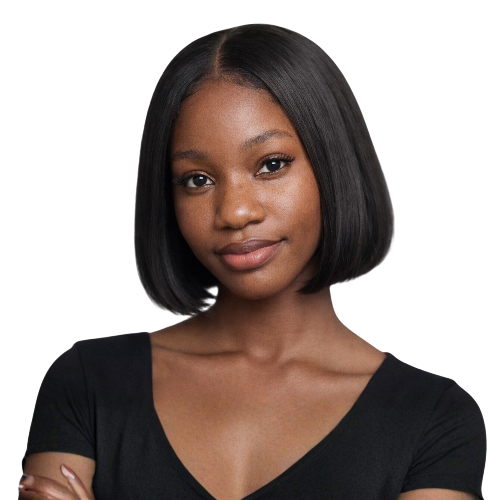
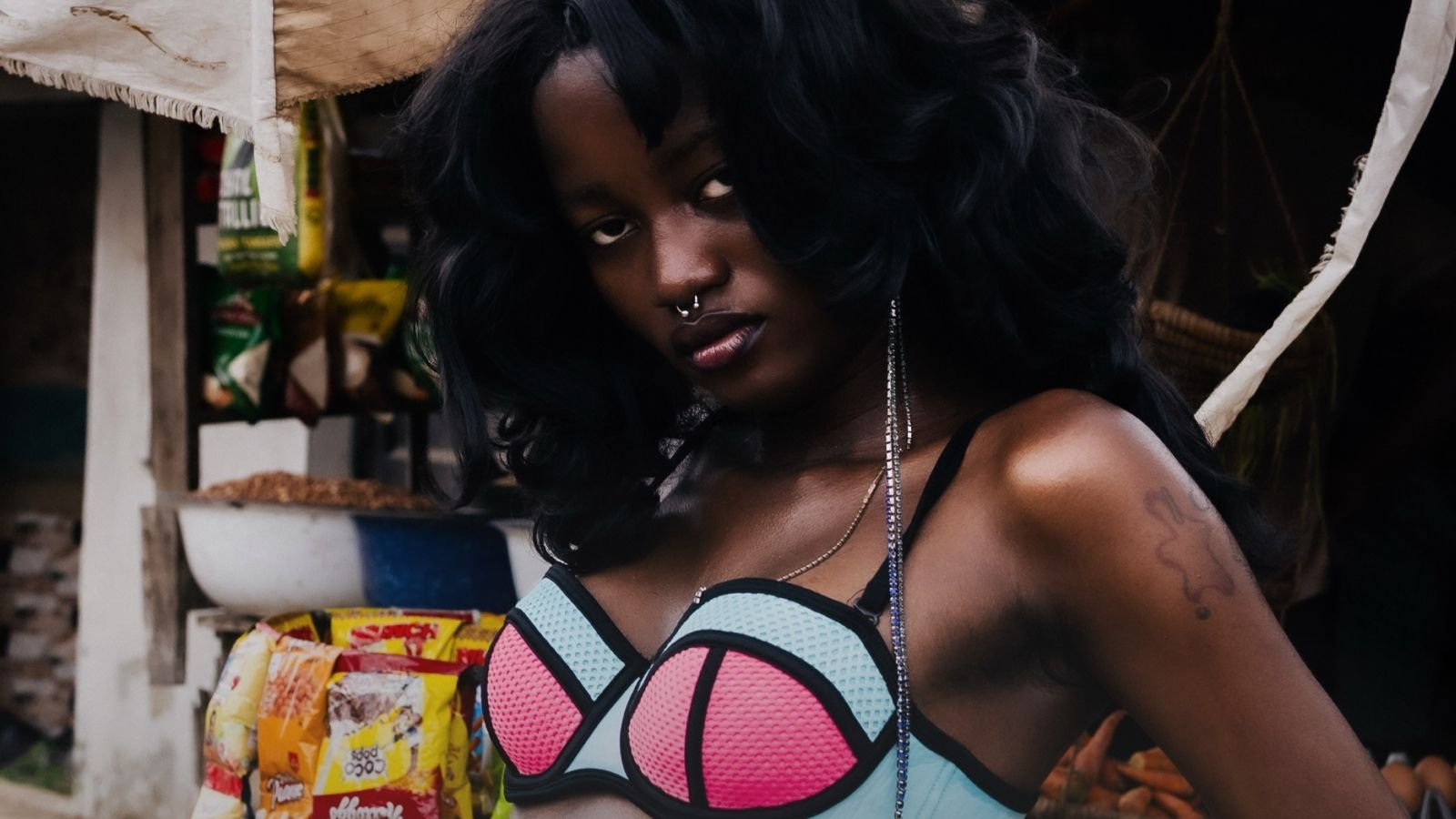
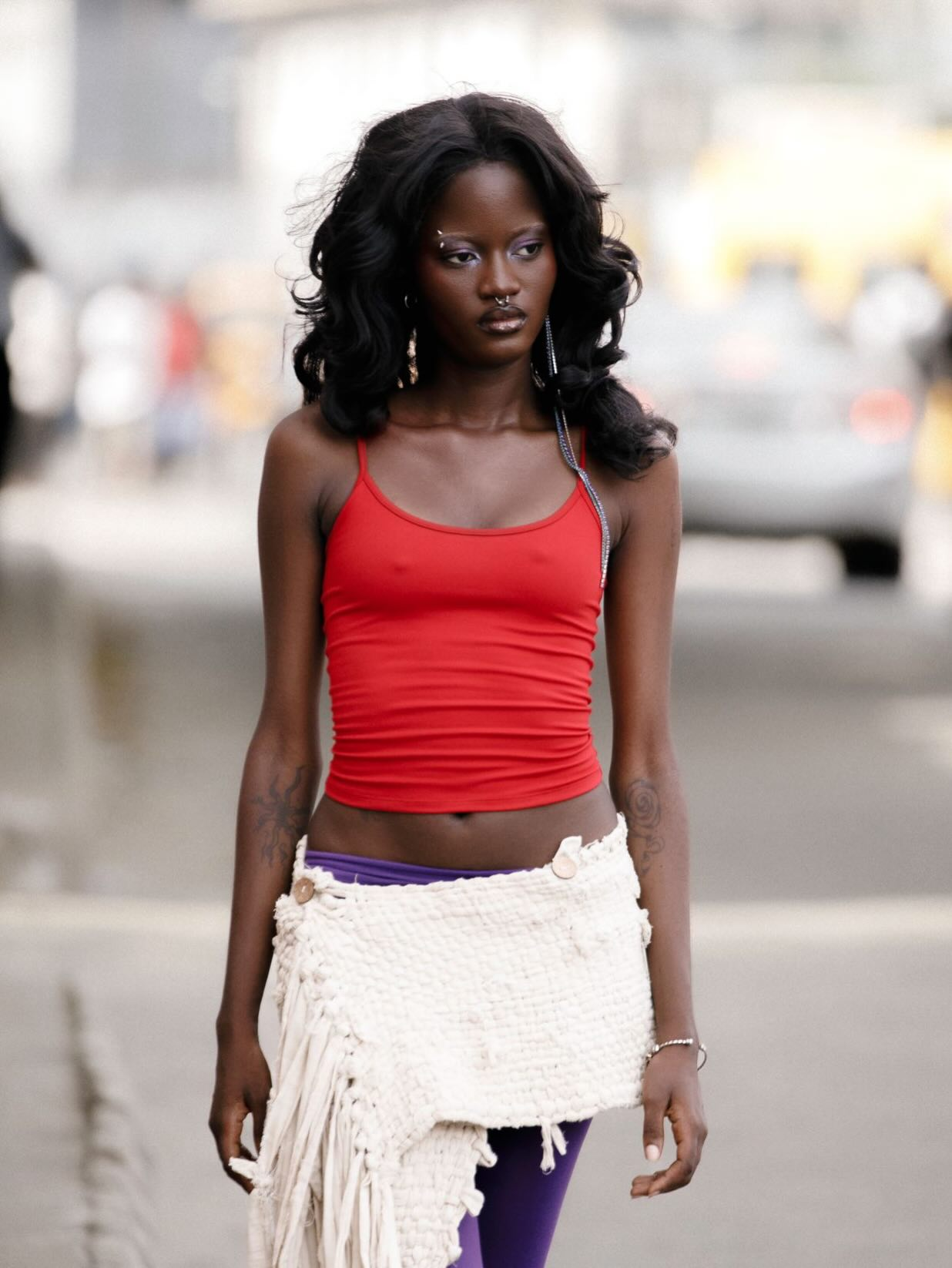
Rachel Ojuromi walked the Chanel Spring/Summer 2027 show at the Grand Palais on 5 October 2026, and the Nigerian internet space have since been filled with thrifted outfits, models on the street and walks that look too familiar.
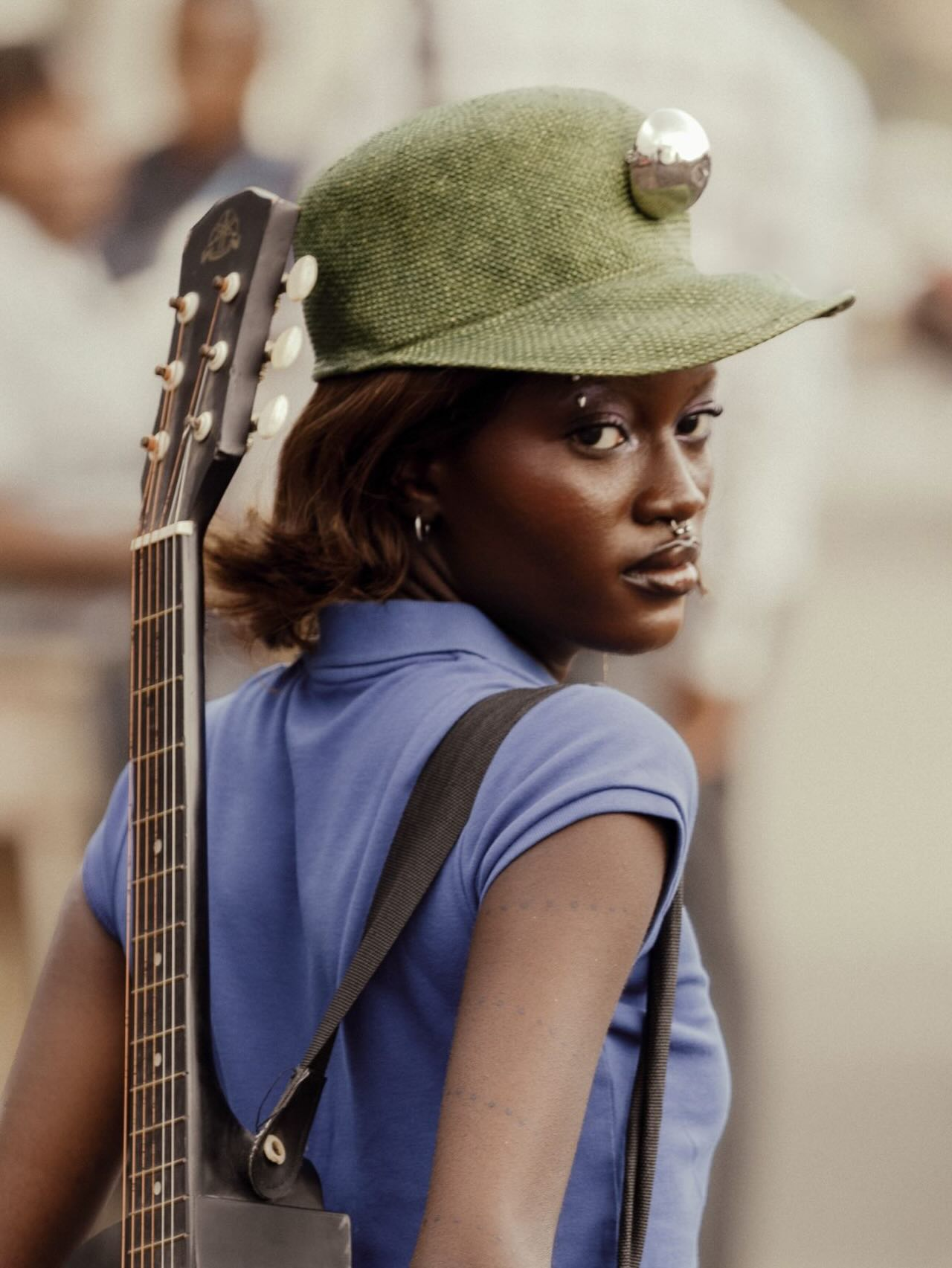
The originality behind Rachael has become a format, this format, a template, and the template is getting crowded.
How Rachel Ojuromi Went From Lagos Streets to the Chanel Runway
Rachael, 22, did not start with a formula. With her friend and stylist Debby Fasingha, she recreated Chanel’s Métiers d’Art 2026 collection using thrifted pieces, shooting around landmarks like the Yaba rail overpass.
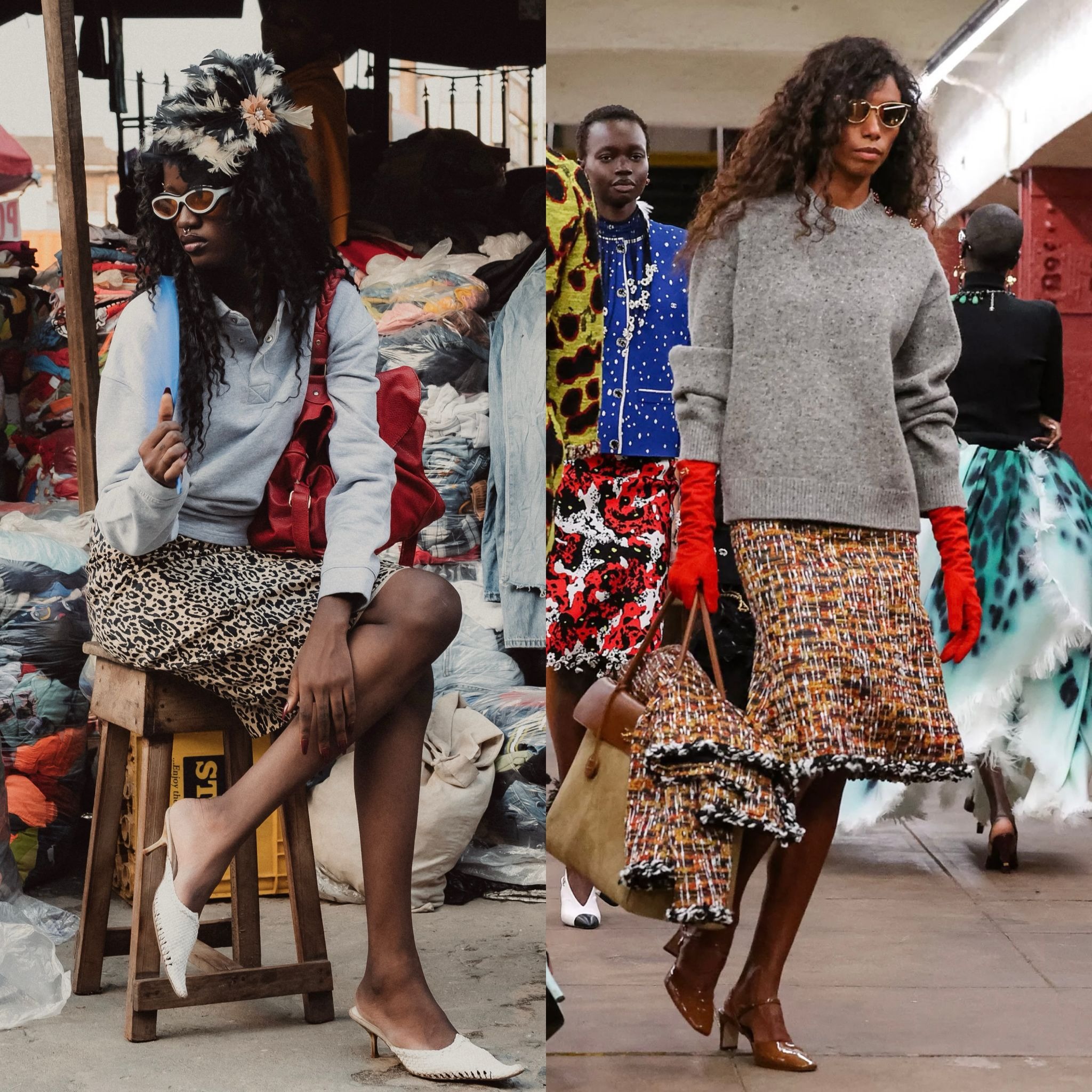
The video reached Matthieu Blazy, Chanel’s creative director, and a casting followed. What made it work was an originality that was specific: high fashion show outfits recreated with very cheap, thrifted wears, a fire walk on the streets of Lagos, and three friends—Debby, the stylist, and Odey, the photographer—forming a creative powerhouse.
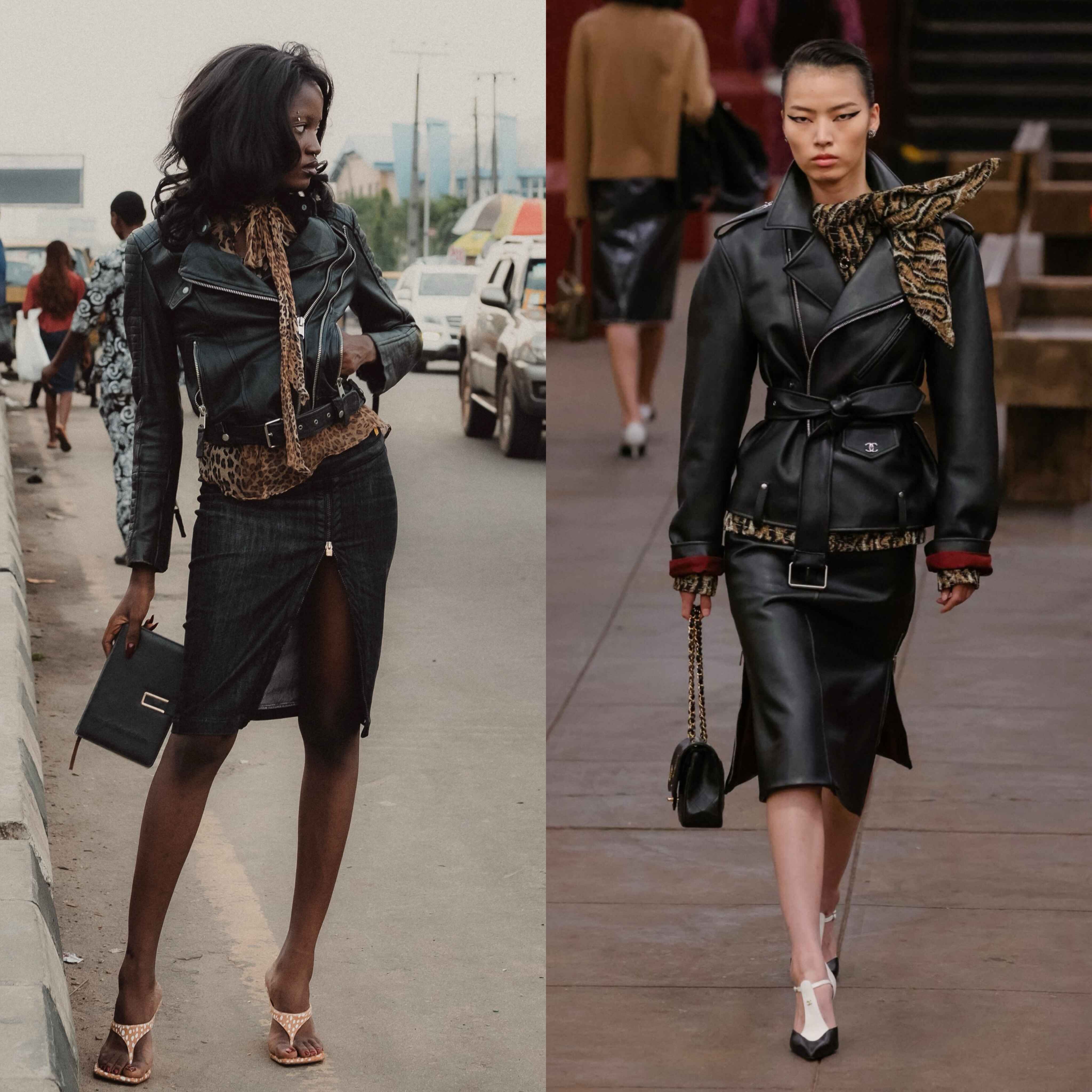
Others can copy the clothes. Nobody can copy the circumstances.
Why Copying a Viral Fashion Format Never Works
When new Nigerian models repeat the same recipe of thrift haul, luxury reference, street backdrop and stylist friend, audiences spot it immediately.
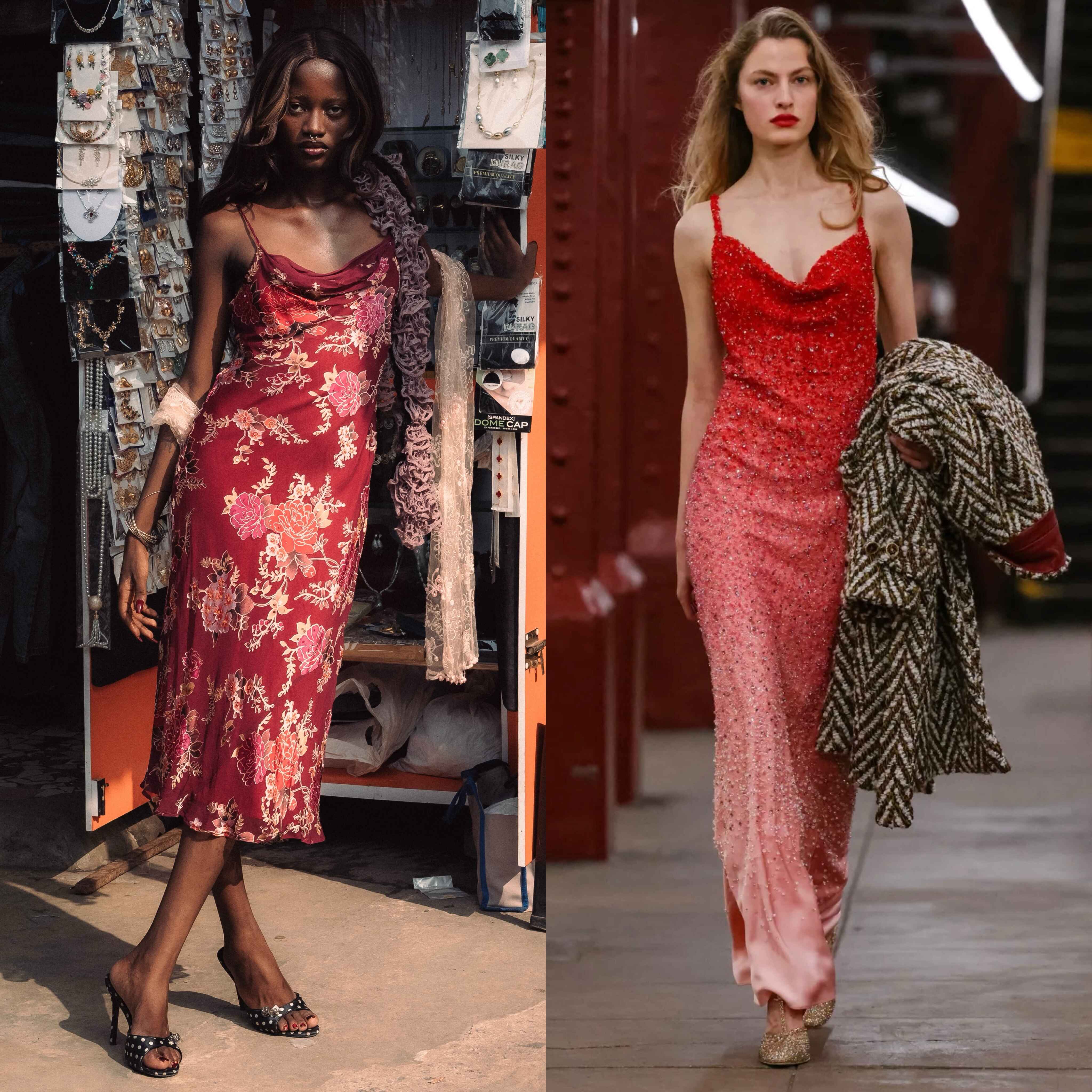
The first person to do something reads as vision. The tenth reads as imitation. The original succeeded because it was a by-product of who Rachel and Debby are, not an algorithmic strategy.
Copycats borrow the output and skip the instinct that produced it. Audiences are also quicker than ever at tracing a trend back to its source, so the original collects the credit while imitators collect comparisons.
When the Sky Is Big for Everyone, Why Does It Feel So Small?
People love to say the sky is big enough for everyone, and that is true. But the sky only feels big when people fly in different directions.
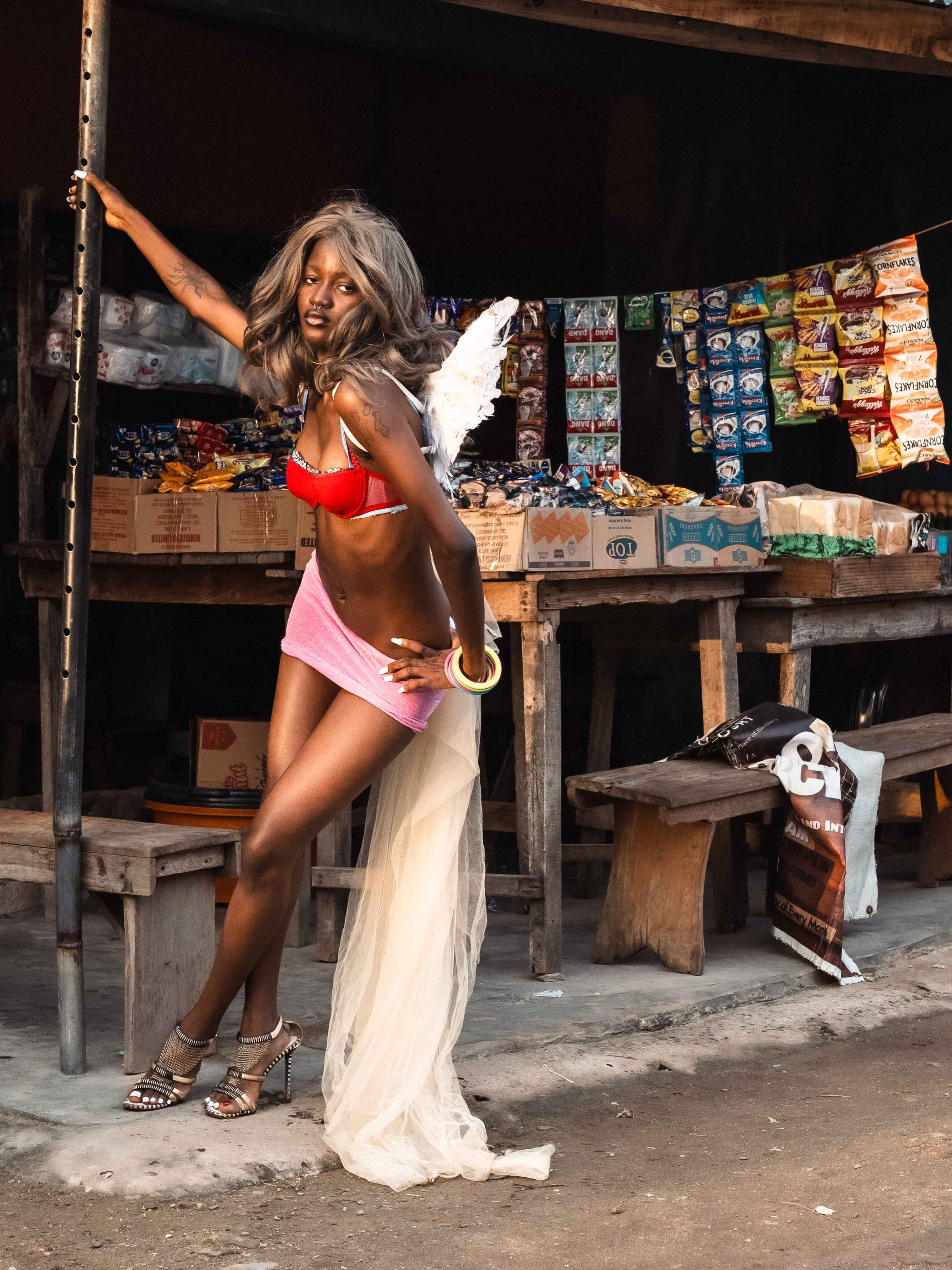
When fifty creators crowd one flight path, casting directors and brands see a single silhouette repeated. Attention gets split, nobody holds the spotlight long enough to build a name, and chasing relevance through a proven lane makes you replaceable. Replaceable is the opposite of bookable.
Social Insight
Navigate the Rhythms of African Communities
Bold Conversations. Real Impact. True Narratives.
The cost of starting to chase these trends ties back to the erosion of originality in small ways.
First comes lost identity, because you stop asking what you would make and start asking what worked for someone else.
Then comes a short shelf life, since trends expire in weeks while a signature style can carry a career for years. Credit goes astray, as audiences and the press always return to the originator.
Creative burnout follows, because performing someone else’s personality is exhausting.
Luxury houses, oftentimes, do not cast for familiarity. Chanel noticed Ojuromi because her video showed a point of view they had not seen.

A brand looking at fifty similar portfolios has no reason to choose the fiftieth. Distinct creators give brands something to talk about, and that is what turns a viral moment into a booking.
African Models Who Built Careers Without Copying a Formula
The continent’s biggest names took different roads to the top.
Agbani Darego won Miss World in 2001 and became the first Black African winner, using pageantry as her launchpad before moving into global fashion work.
Maria Borges of Angola was discovered in 2010 and became known for wearing her natural hair on the runway, later walking the Victoria’s Secret show with it on full display.
Adut Akech, a South Sudanese-Australian model, debuted as a Saint Laurent exclusive and went on to close a Chanel couture show in 2018.
Mayowa Nicholas became the first Nigerian model in Dolce & Gabbana, Yves Saint Laurent and Calvin Klein campaigns.
None of them followed a single script. Pageant stage, natural-hair advocacy, exclusive runway debuts and campaign work are four different routes to the same destination.
Each built a reputation that could not be mistaken for anyone else’s.
How to Build Your Own Lane as a Model or Creator
Social Insight
Navigate the Rhythms of African Communities
Bold Conversations. Real Impact. True Narratives.
Study the principle, not the end-product. Rachel’s principle was making high fashion reachable with what her city offered. Yours might look nothing like hers.
Start with what only you have: your language, your neighbourhood, your craft, your circle. Find your own Debby, a collaborator whose taste sharpens yours rather than echoes it.
Reference widely by pulling from film, art, music and history. Document the process so your audience attaches to you and not to a polished result that can translate to a format.
Inspiration Is Not Replication
Rachel Ojuromi’s rise should widen the door, not narrow it. Her real lesson is not “thrift Chanel.” It is “trust your own eye.”
If every aspiring model follows her exact steps, Nigeria will produce one Rachel and a hundred reruns. If they bring their own ideas, the industry gets a hundred different stories.
The sky stays big only when everyone refuses to fly the same route.