Textbooks or Tablets? What Happens to Learning When the Classroom Goes Digital
An opinion-driven exploration of textbooks versus tablets in the classroom, examining how digital learning affects attention, discipline, and the future of education.
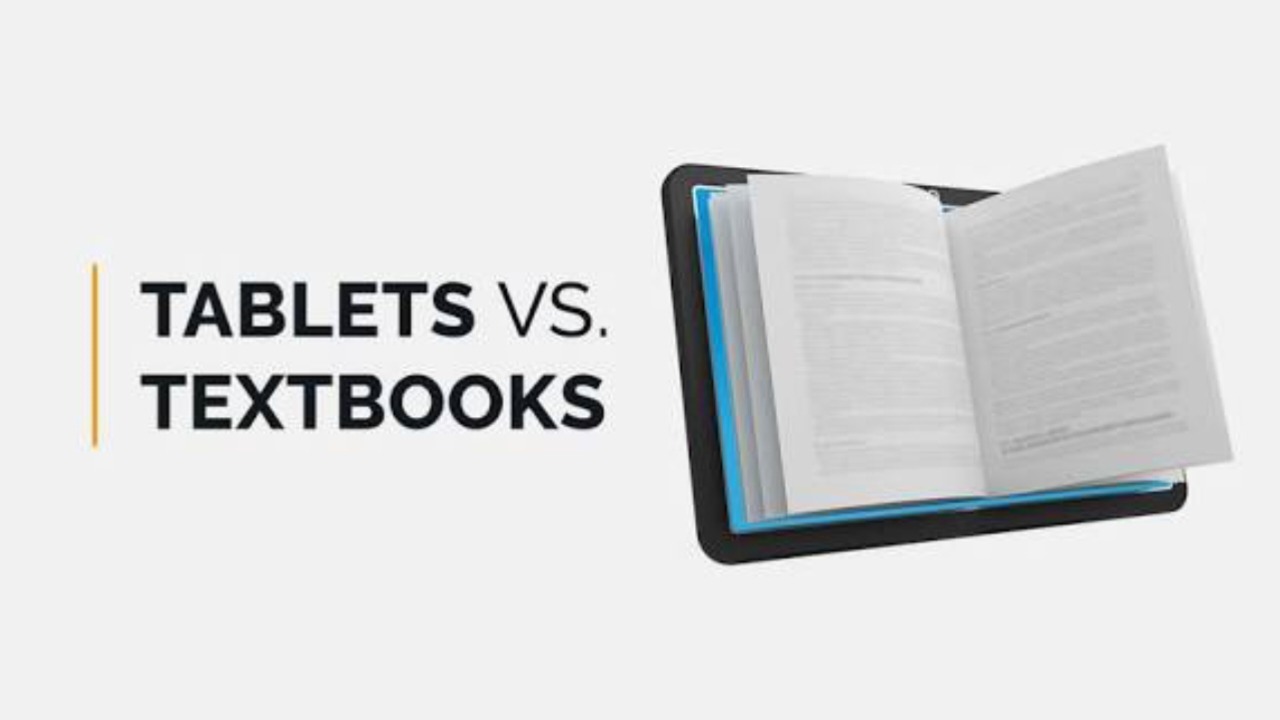
At some point, every generation meets a tool it does not fully trust and must either learn to adapt to or discard. For today’s classrooms, that tool is the tablet. With the growing trend of digitalization and the need to make life easier, today's fast growing technology is also seen in our schools, if you just take a walk into a modern school today, you are likely to see glowing screens where dog-eared textbooks once sat, students swiping instead of flipping pages, and teachers navigating dashboards instead of chalkboards or even marker boards. To some, this feels like progress finally catching up with education. To others, it feels like distraction masquerading as innovation. The real question is not whether technology belongs in the classroom, but whether replacing textbooks with tablets actually improves how students learn, think, and grow. Are we upgrading education, or are we simply modernizing its problems?
When Learning Was Slower, But Deeper
There was a time when learning demanded patience. Textbooks were heavy, sometimes outdated, and rarely exciting. You would see a regular student carrying heavy backpacks of books whether they needed it or not, in all of this they asked something crucial from students: focus. Reading required sitting still, turning pages, underlining sentences, and revisiting the same paragraph until it made sense. Knowledge unfolded slowly, and that slowness trained the mind to stay with an idea long enough to understand it. Distraction existed, of course, but it was not embedded in the learning tool itself, in fact for you to distract yourself you needed to indulge in something else but not today.
Textbooks also created a shared rhythm in the classroom. Everyone was literally on the same page. The teacher guided discussion, students followed along, and learning happened collectively. There was structure, predictability, and a clear boundary between study and play. While this system was far from perfect and often inaccessible to many, it cultivated habits of attention that are increasingly rare today and so to say the reading culture habit that is going into extinction.
This is not nostalgia for chalk dust and rigid classrooms. It is an acknowledgment that learning is not just about access to information, but about the mental discipline required to engage with it. When education becomes too fast, too interactive, or too fragmented, depth quietly disappears.
The Promise and the Pressure of Digital Learning
In today's fast paced world tablets and other devices have found a valid reason to enter the classrooms, all with bold promises. They would democratize access to information, reduce the rigorous nature of textbooks, personalize learning, and prepare students for a digital future. In many ways, they have delivered. A single device can store hundreds of books, provide interactive simulations, translate languages, and offer instant updates. For students with disabilities, tablets can be transformative, offering accessibility features that textbooks never could.

Digital tools also allow learning to move beyond the classroom walls. Students can research globally, collaborate remotely, and access resources that once required privilege or proximity, and they can also access online classrooms, learning virtually from anywhere, or should I say the new age remote schooling. In theory which we cannot all deny, tablets make education more inclusive, flexible, and responsive to individual needs.
But we can all agree that technology rarely arrives without pressure.
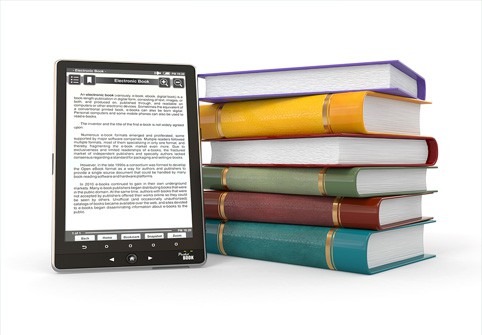
The same device used for learning is also designed for entertainment, social validation, and constant stimulation. Notifications, apps, and multitasking compete with attention in ways textbooks never could. When a student’s learning tool is also a gateway to games, social media, and endless scrolling, and with the increasing addiction of teenagers to the usage of mobile devices, focus becomes optional rather than essential.
The classroom, once a protected space for sustained thought, now mirrors the fragmented attention economy outside it. The question becomes whether students are learning more, or simply consuming information faster without truly absorbing it.
Attention, Discipline, and the Cost of Convenience
Whether we admit it or not, back then the whole schooling experience felt real even though it was rigid and even outdated in some scenarios but there was a required level of discipline and attention span it needed.
One of the most overlooked consequences of tablet-based learning is its impact on attention. Studies increasingly suggest that digital reading encourages skimming rather than deep reading. Screens invite speed, hyperlinks, and surface-level engagement, while printed text encourages linear thinking and memory retention. When everything is interactive, nothing holds weight for long.
Discipline, too, shifts subtly. With textbooks, discipline was external, enforced by structure. With tablets, discipline becomes internal, dependent on a student’s ability to self-regulate. This is a heavy expectation to place on young minds still developing impulse control. We assume that exposure to technology will naturally produce digital maturity, but exposure without guidance often produces dependency instead.
There is also a social dimension. Tablets can isolate students even when they sit side by side. Each learner retreats into a personalized digital bubble, reducing spontaneous discussion and collective problem-solving. Education risks becoming efficient but lonely, individualized but disconnected.
This does not mean tablets are inherently harmful. It means they are powerful, and power without boundaries reshapes behavior. Learning is not just cognitive; it is social, emotional, and relational. When devices dominate the classroom, these quieter dimensions are often the first casualties.
Should Education Stand Still or Evolve Thoughtfully?
The debate should not be framed as textbooks versus tablets, as though one must replace the other. Education has never thrived on extremes. The real challenge is balance. We should not freeze classrooms in the past out of fear, nor should we rush into digital adoption simply to appear progressive. This also helps us balance a blurring and glaring line of who gets to use these tablets, who can afford it and education systems that can adopt it.
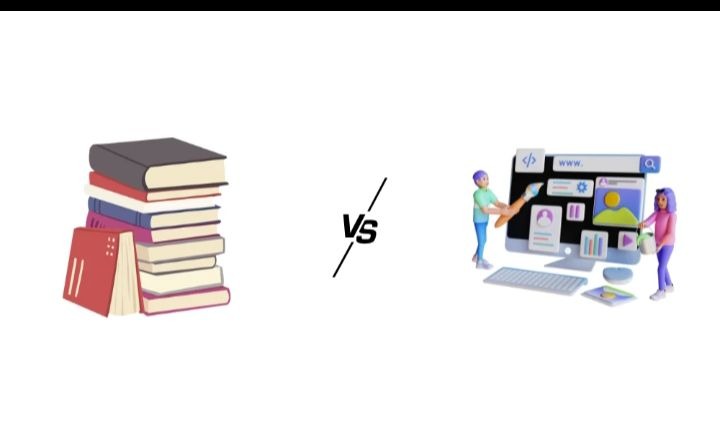

Technology should serve learning, not redefine it and it should promote inclusivity and not exclusion. Tablets can enhance education when used intentionally, as supplements rather than substitutes. Textbooks offer grounding, structure, and depth. Tablets offer flexibility, access, and innovation. Together, they can create a richer learning environment than either could alone.
What matters most is not the tool, but the philosophy behind its use. Are we teaching students how to think, or merely how to navigate interfaces? Are we cultivating curiosity, patience, and critical reasoning, or optimizing for speed and convenience? Education should prepare students not just for jobs, but for thoughtful citizenship in a distracted world.

Progress does not require abandoning what worked. It requires understanding why it worked and adapting those principles to new realities. The classroom should remain a space where attention is trained, not constantly tested; where technology supports thinking rather than replacing it.
In the end, the future of education is not digital or analog. It is human. And any tool that forgets that will always fall short, no matter how advanced it looks.