Tesla's Mammoth $25B AI Investment Raises Questions: Is It Too Late?
Tesla plans to invest an astonishing $25 billion in AI-powered products this year, focusing on self-driving vehicles, robots like Optimus, and a new chip factory. This announcement comes despite the company reporting its second-worst quarterly profit in five years. The ambitious move highlights Tesla's forward-looking strategy but also draws attention to a historical pattern of grand promises versus actual delivery on certain projects.
Tesla recently announced a significant financial commitment, pledging an expenditure of $25 billion this year towards the development of AI-powered products.
This ambitious declaration came as the company reported its first-quarter 2026 net income of $477 million, marking a 17 percent increase compared to the same period last year.
Despite this growth, the profit figure represented Tesla's second-worst quarterly performance in the past five years, raising questions about the timing and scale of such a massive investment.
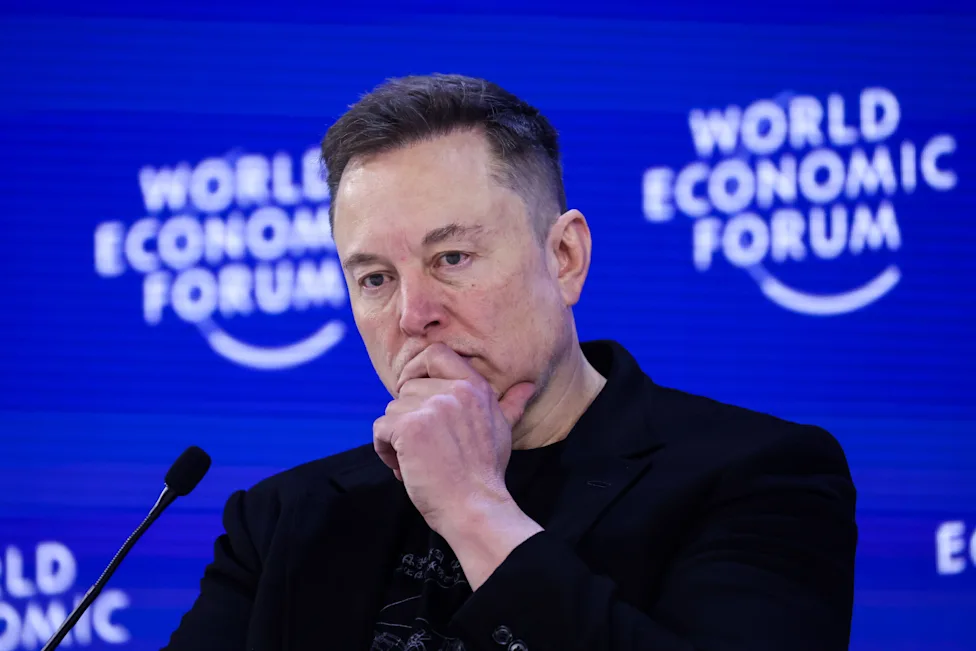
Elon Musk, Tesla's CEO, outlined that the substantial $25 billion investment would be channeled into several key areas.
These include AI-powered self-driving taxis, electric trucks, advanced robots, and the construction of a new, massive chip factory.
Musk emphasized the company's strategic focus, stating, "We're investing in and improving our core technologies, battery powertrain, AI software, AI training, chip design."
He further added that these efforts are"laying the groundwork for what we expect to be a significant increase in vehicle production in the future."
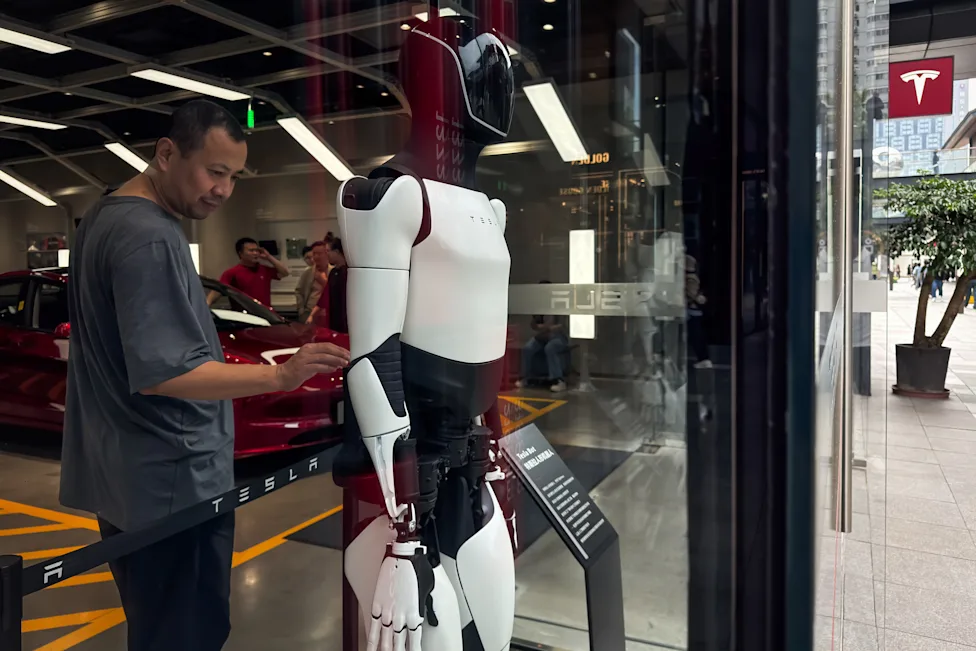
A considerable portion of this multi-billion dollar investment program is earmarked for accelerating the production of Tesla's Optimus humanoid robot.
Musk confirmed plans to initiate Optimus production this summer at the Fremont, California, factory, historically responsible for manufacturing the Model S sedan and Model X SUV.
The company aims to scale up to "significant numbers next year" for the robots.
Additionally, a second Optimus factory is under construction at the Giga Texas location, with production expected to commence around summer next year.
Musk also noted that the V3 Optimus design is nearing completion and is almost ready for demonstration, with a focus on ensuring its polish and readiness.
Despite these grand announcements and future-oriented plans, Tesla faces scrutiny regarding the historical gap between its promises and actual product delivery.
While the Tesla Model S, a recipient of the 2013 Car of the Year award, was a groundbreaking vehicle, other projects have struggled to meet expectations or timelines.
Latest Tech News
Decode Africa's Digital Transformation
From Startups to Fintech Hubs - We Cover It All.
Critics point to the Cybertruck as an "irrelevant sideshow," and highlight the long wait for the high-performance Tesla Roadster and the much-anticipated sub-$30,000 Tesla, which was promised to bring electromobility to the masses.
Furthermore, in the electric-powered heavy-duty truck market, which saw over 90,000 units globally last year, Tesla has only managed to build a modest 200 Semi trucks since 2017.
These discrepancies underscore the challenge for Tesla to consistently "walk the walk" after "talking a good game."