Straining Too Hard on the Toilet Can Cause Temporary Amnesia. This Is Why
Straining too hard during a bowel movement can trigger transient global amnesia, a rare condition that causes sudden, temporary memory loss. Here’s the science behind it and who is at risk.
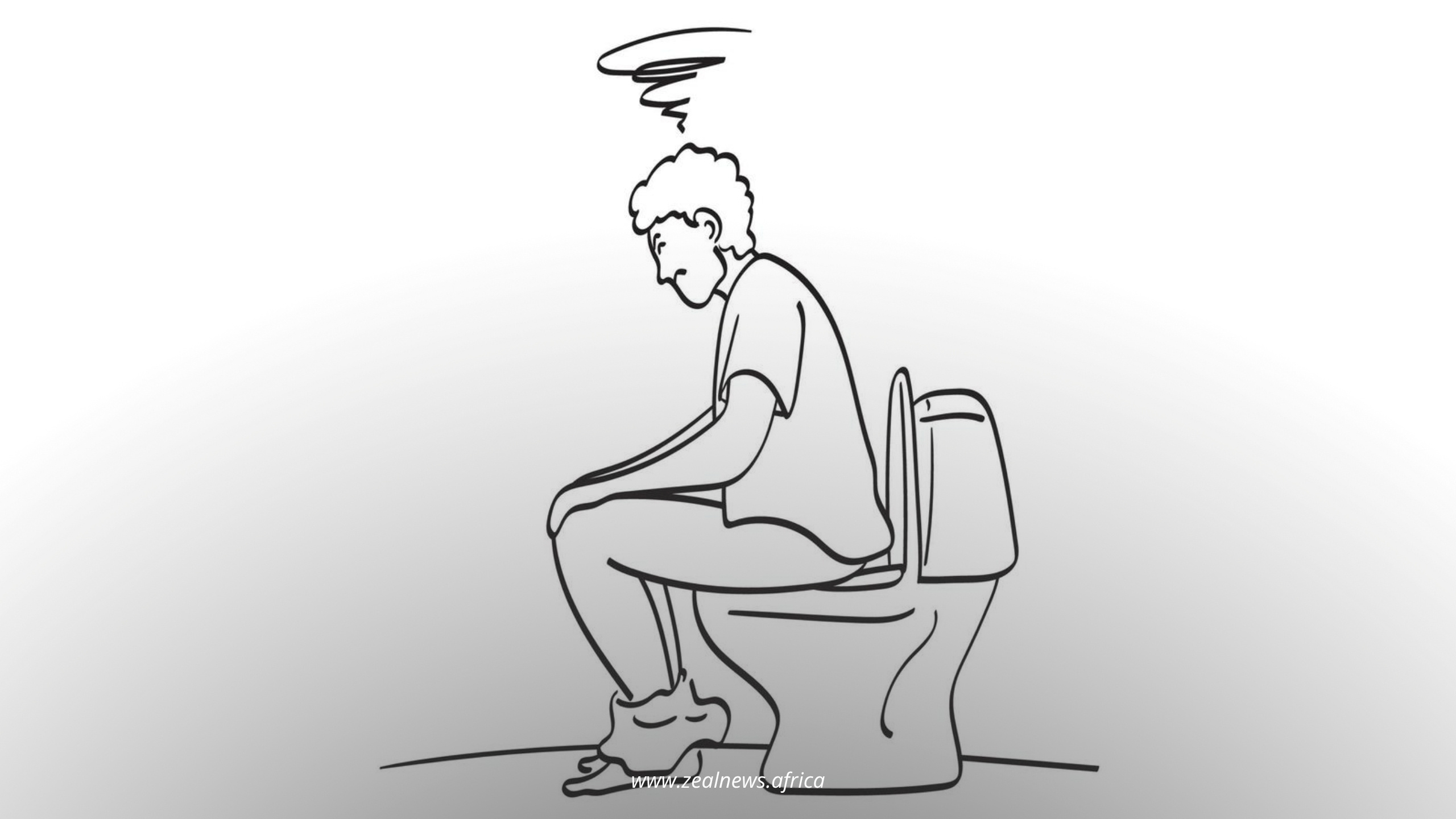
The bathroom is supposed to be the one place where nothing dramatic can happen. You go in, you handle your business, maybe, even scroll on social media for 30 minutes more, and you come out.
However, for a small number of people, what happens inside that room has triggered something far more alarming than a bad experience. Some people have experienced a sudden, temporary erasure of years' worth of memories.
The condition responsible is called transient global amnesia, and in some documented cases, the trigger was simply straining too hard.
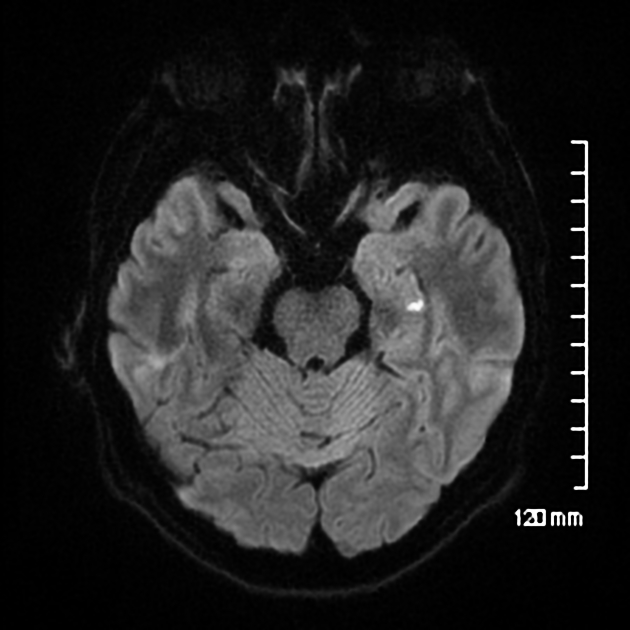
What Is Transient Global Amnesia?
Transient global amnesia, or TGA, is a neurological condition characterised by a sudden, temporary inability to form new memories or retrieve recent ones.
It is not a stroke, or a seizure or a sign of permanent brain damage. It is rather episodes that typically last between one and eight hours, and in the vast majority of cases, full recovery follows without any intervention.
During an episode, a person remains conscious and functional. They can hold a conversation, recognise familiar faces, and carry out routine tasks, but they cannot hold on to new information for more than a few seconds.
They will ask the same question over and over, sometimes dozens of times, because each time they ask it, they have already forgotten that they did.
The window of time surrounding the episode almost always remains a permanent blank, even after everything else comes back.
What Straining Does to Your Body
The link between a toilet visit and memory loss comes down to a physiological event called the Valsalva maneuver.
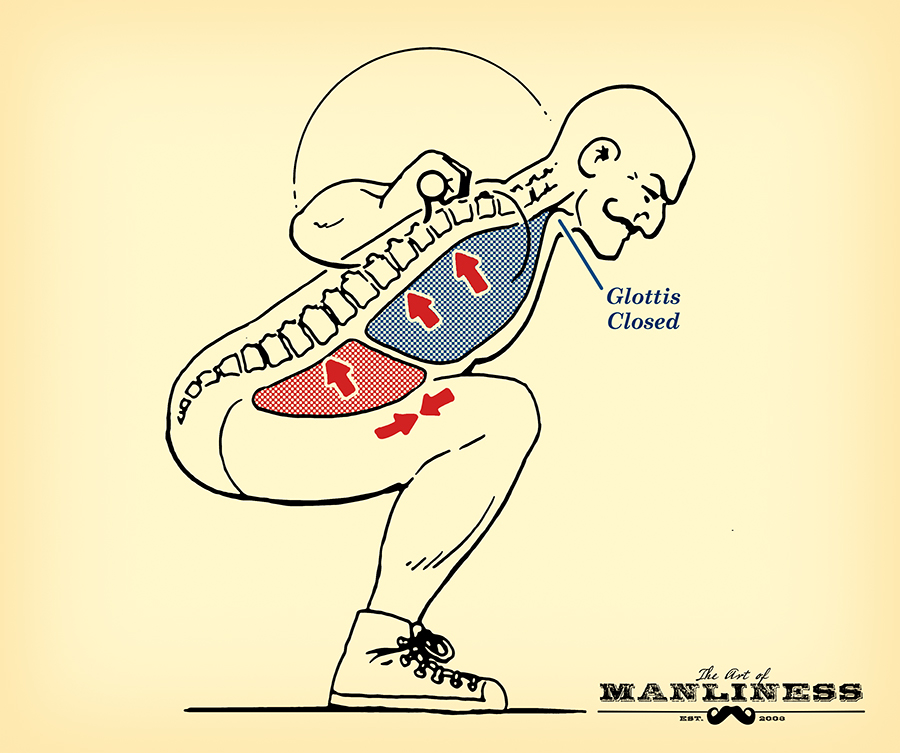
When you strain hard, during a difficult bowel movement, heavy lifting, or even a forceful cough, your body instinctively seals your airway and pushes hard against it from the inside.
This action dramatically raises pressure inside your chest and abdomen.
That pressure compresses the veins responsible for draining blood away from the brain, particularly the internal jugular vein.
When venous drainage is impaired, blood backs up, and circulation to critical regions of the brain is temporarily disrupted. The harder and longer the strain, the more pronounced the effect.
Why the Hippocampus Gets Affected
The hippocampus is the brain's primary centre for memory formation and retrieval. It is also one of the structures most vulnerable to even brief interruptions in blood flow and oxygen supply.
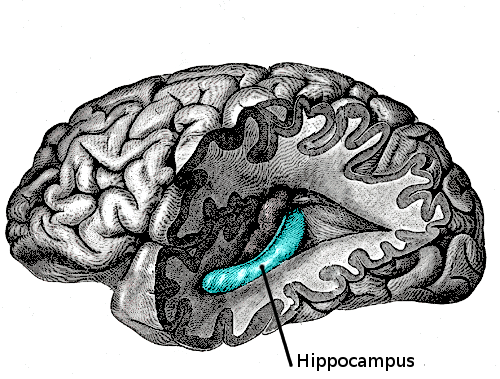
When a Valsalva-induced pressure spike disrupts normal circulation, the hippocampus short-circuits and when it does, memory formation halts.
Research published in Frontiers in Human Neuroscience describes this as a disruption to hippocampal circuits that are critical for both encoding and storing memories.
The disruption is temporary, which is why TGA resolves on its own, but whatever memories were supposed to form during the episode are typically gone for good.
Cases That Have Been Documented

In 2016, a 58-year-old man in Taiwan woke up with transient global amnesia following a night of severe constipation. His neurologist noted that he had also been in an emotionally heightened state that evening which are two recognised TGA triggers converging at the same time.
A 2018 case report published in BMC Neurology documented a 57-year-old woman who experienced TGA on two separate occasions, both triggered directly by straining at stool.
Imaging confirmed temporary cerebral venous congestion caused by the Valsalva maneuver during each bathroom visit.
A 1982 review of 78 TGA cases published in JAMA Neurology identified physical exertion, including straining, as one of the most consistently reported events preceding an episode.
Who Is More at Risk
TGA most commonly affects people between the ages of 50 and 70, though it is not exclusive to that group. Men and women experience it differently when it comes to triggers.
Men are more likely to develop TGA following intense physical exertion, while women are more prone to emotionally triggered episodes, according to research in Frontiers in Human Neuroscience.
People with chronic constipation are at particular risk because each straining session is a repeated Valsalva event and the cumulative pressure over time is not trivial.
Those with a history of migraines, elevated vascular risk factors, or a tendency toward emotional intensity are also considered more susceptible.
Recurrence is relatively low with approximately one in eight people that will experience a second episode, but the risk climbs with certain pre-existing conditions.

What This Means for Your Gut Health
Constipation is easy to dismiss as a nuisance. However, the physiological consequences of chronic, forceful straining extend far beyond discomfort, from haemorrhoids and pelvic floor dysfunction to, in rare cases, neurological disruption.
Adequate fibre intake, consistent hydration and not ignoring the body's signals are not just digestive advice.They are also, in a very real sense, brain health advice.
The toilet should be a place of relief, not a battle you have to win. If every visit has become a sustained physical effort, that is worth taking seriously, before your body decides to respond in ways you will not remember.