Stolen! The Ironic True Story of the Mona Lisa's First Disappearance
Ready for a jaw-dropping true story? The Mona Lisa wasn't always safely behind glass. In a tale brimming with unforeseen twists, discover the incredible, ironic story of how the world's most famous painting was once stolen.
The Beginning
Paris, 1911. A city of light, art, and romance—yet beneath the polished veneer of the Louvre’s grand halls, a daring crime was about to unfold, one that would stun the world and weave itself into legend.
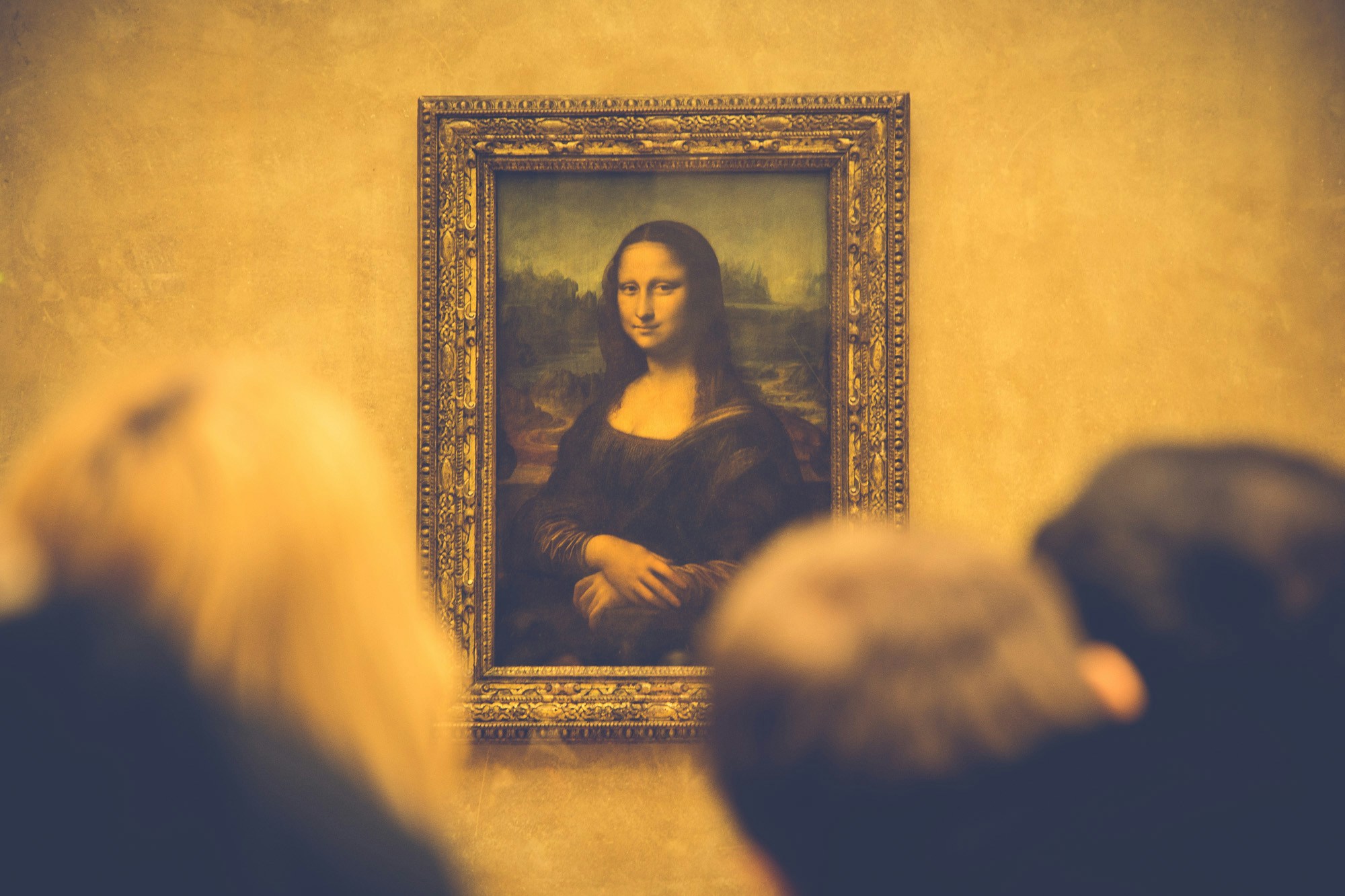
The morning of August 22 was like any other in the Louvre. Tourists strolled beneath the soaring ceilings, admirers stood captivated before paintings older than nations. But when Giuseppe, a humble museum handyman, arrived for his early duties, he was greeted not by the familiar visage of the Mona Lisa, but by an empty frame — a ghost where the world’s most famous painting should have been.
A silence fell over the museum.
The audacity of the crime was breathtaking. How could someone slip past guards, evade the watchful eyes of the museum’s security, and lift the painting without triggering alarms or suspicion? Rumors ran wild. Had the painting been whisked away by shadowy art thieves? Smuggled out by international conspirators? Or perhaps destroyed, forever lost to the flames?
The truth, when it emerged, was stranger still.
The Theft
Enter Vincenzo Peruggia, a working class Italian craftsman with a grand conviction. Motivated by what some will call patriotism, he devised a plan so simple, it was genius. The thing is, Peruggia who had once worked in the Louvre, had become enamored with the idea that the Mona Lisa was Italy’s rightful treasure. After all, it was painted by an Italian (Leonardo Da Vinca), but taken by France during Napoleon’s warring campaigns.
On a quiet Monday morning, disguised beneath the white smock he still possessed from his days as a Louvre employee, Vincenzo Peruggia made his bold move. But the true daring had begun the night before. Knowing the museum would be locked and shrouded in darkness, he slipped inside after hours and vanished into the labyrinth of shadowy corridors—hidden among empty galleries and silent, watchful statues. For hours, he remained motionless in the near-complete darkness, his heart hammering, as the world outside drifted into sleep, unaware of the theft about to unfold.
Then, just before dawn, when the museum was still and the guards’ vigilance lulled, Peruggia emerged from his hiding place. With practiced hands, he carefully removed the Mona Lisa from its frame, deftly peeling it away from the protective glass. Folding the masterpiece gently, he concealed it beneath his smock.
Walking through the grand halls as though it were just another day’s labor, Peruggia slipped past the guards, his stolen treasure hidden in plain sight. He stepped out into the fresh Parisian morning, the Mona Lisa safely in his grasp, leaving behind a mystery that would grip the world for years to come.
The Search
History
Rewind the Stories that Made Africa, Africa
A Journey Through Time, Narrated with Insight.
Paris awoke to chaos. Police combed every alley, every border crossing, every art dealer’s backroom. Newspapers churned out headlines dripping with intrigue and suspicion. For over two years, the painting vanished into the shadows, as elusive as the secret behind its subject’s smile.
A not very smart choice
In a twist worthy of a novel, Peruggia contacted an art dealer in Florence, revealing the secret he had guarded so closely.
When Peruggia revealed himself to the Florentine art dealer, his confidence was palpable—he believed he was a patriot, a hero returning stolen treasure to its rightful home. Yet, the law was indifferent to his noble intentions. His very own countrymen, Italian authorities, quickly arrested him and, in due course, handed him over to French officials.

Back in Paris, the trial became a spectacle. Newspapers dissected every detail of Peruggia’s motives and methods. Some viewed him as a criminal; others as a misguided idealist. The courtroom buzzed with tension as Peruggia stood firm, insisting that he had acted out of love for Italy, not greed.
Thankfully, the court sentenced him to a modest prison term—just over a year—reflecting the ambiguity of his crime. To many, his punishment seemed light, almost a tacit acknowledgment of the patriotism behind the theft.
The Louvre welcomed her home amid cheers and tears. The theft, rather than diminishing the painting’s legend, only enhanced it — making people from all over the world curious to see the painting that had made a man risk so much.