Spotlight on Africa: 11 Powerful Northern African Kingdoms and Empires History Remembers - Part Four
From Ancient Egypt and Kush to Carthage, Numidia and Altava, explore 11 powerful Northern African kingdoms and empires that shaped Africa’s ancient history.
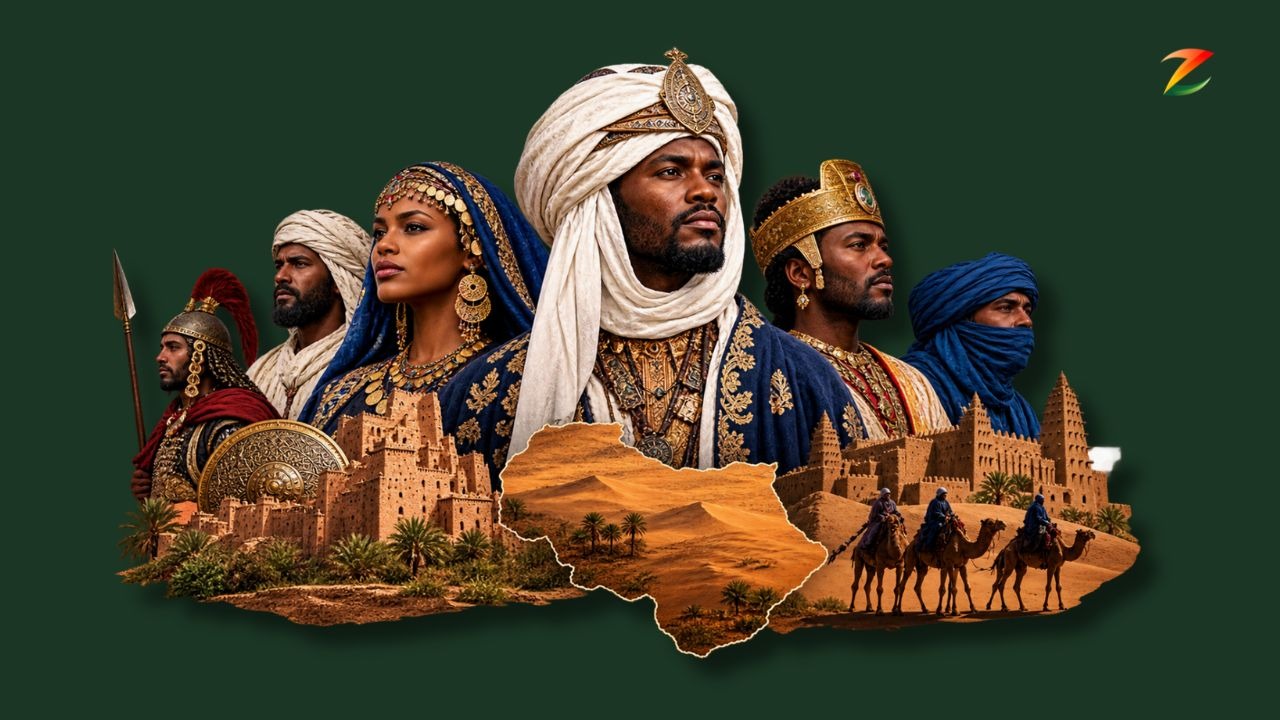
Mentioning ancient Africa and Egypt is almost impossible to avoid. Its pyramids, pharaohs, and temples have survived thousands of years, while references to Egypt appear in both the Holy Bible and the Quran, as well as other ancient religious and historical traditions.
But Egypt was not alone. Northern Africa was once home to powerful kingdoms, trading civilizations, and empires that controlled territory, built cities, developed sophisticated systems of government, and connected Africa to Europe, the Middle East, and the wider Mediterranean world. Some are remembered globally, while others have been reduced to a few lines in history books.
Here are 11 Northern African kingdoms and empires history remembers.
1. Ancient Egypt
Few civilizations have left such a lasting mark on human history. Ancient Egypt developed along the Nile and passed through the Old, Middle, and New Kingdoms, producing monumental architecture, complex administration, writing systems, and powerful rulers.
Its influence stretched far beyond its borders, and its civilization endured for thousands of years.
2. Ptolemaic Kingdom
After the death of Alexander the Great, Egypt came under the rule of the Ptolemaic dynasty, founded by one of his generals, Ptolemy I.
The kingdom blended Greek and Egyptian cultures and produced one of antiquity's most famous rulers, Cleopatra VII, before Rome absorbed Egypt in 30 BC.
3. Kingdom of Kerma
Further south, in what is now Sudan, the Kingdom of Kerma emerged as one of the earliest major Nubian states.
Its strategic position along the Nile allowed it to control important trade routes, while its capital, Kerma, became a major political and commercial centre.
4. Kingdom of Kush
Kush eventually became one of Egypt's most formidable neighbours and rivals. The kingdom had major centres at Napata and Meroë, and Kushite rulers conquered Egypt and established the 25th Dynasty.
History
Rewind the Stories that Made Africa, Africa
A Journey Through Time, Narrated with Insight.
Its later Meroitic civilization became known for iron production, trade and distinctive pyramids.
5. Nobatia, Makuria and Alodia
After the decline of Kush, Christian Nubian kingdoms rose along the Nile. Nobatia, Makuria and Alodia survived for centuries and developed their own political, religious and cultural traditions.
They remind us that Northern African history did not end with the ancient Mediterranean world.
6. Garamantes

Deep in the Sahara, the Garamantes built a civilization that challenged the idea of the desert being an empty space.
They developed underground irrigation channels known as foggaras, allowing agriculture and settlement in an extremely dry environment while participating in trans-Saharan trade.
7. Cyrene and Cyrenaica
On the coast of modern Libya, Cyrene was founded by Greek settlers and became an important centre of culture, agriculture and Mediterranean trade.
The wider region became known as Cyrenaica, connecting North Africa with the Greek world.
8. Carthage
If Rome had a great Mediterranean rival, it was Carthage. Founded by Phoenician settlers, Carthage grew into a powerful maritime and commercial empire.
Its rivalry with Rome produced the Punic Wars, including the campaigns of the legendary general Hannibal.
9. Numidia
West of Carthage stood Numidia, a Berber kingdom renowned for its cavalry.
History
Rewind the Stories that Made Africa, Africa
A Journey Through Time, Narrated with Insight.
Kings such as Masinissa and Jugurtha became significant figures in the political struggles surrounding Rome and Carthage, demonstrating the military and political importance of North Africa.
10. Mauretania
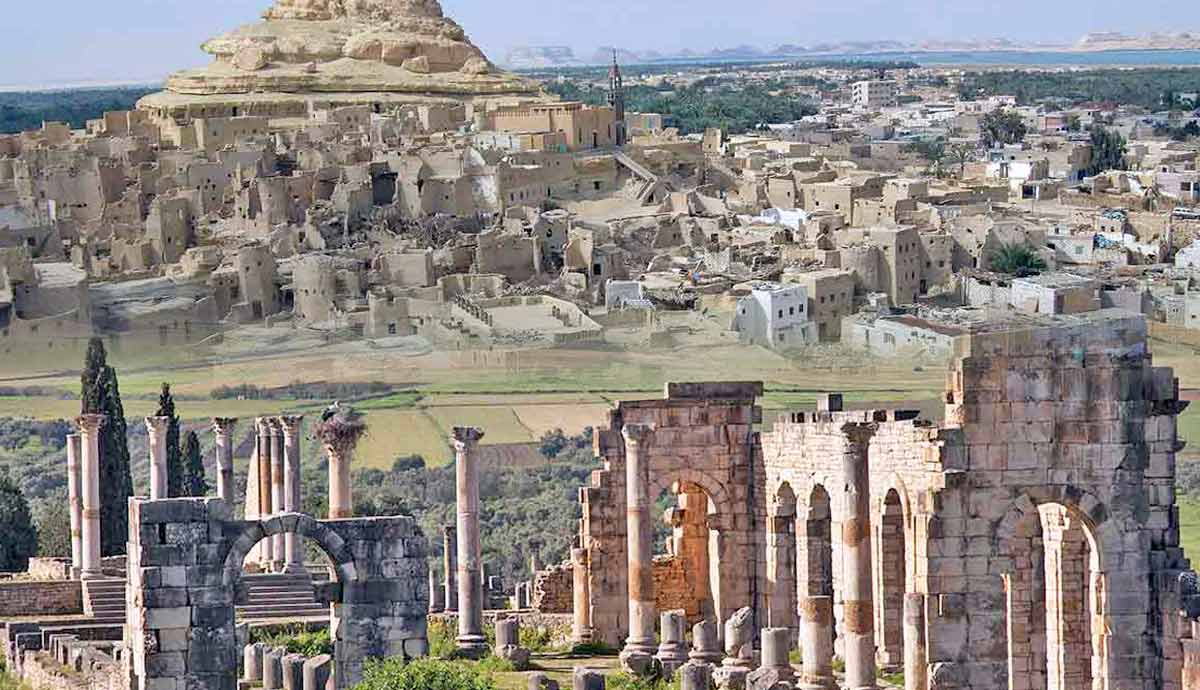
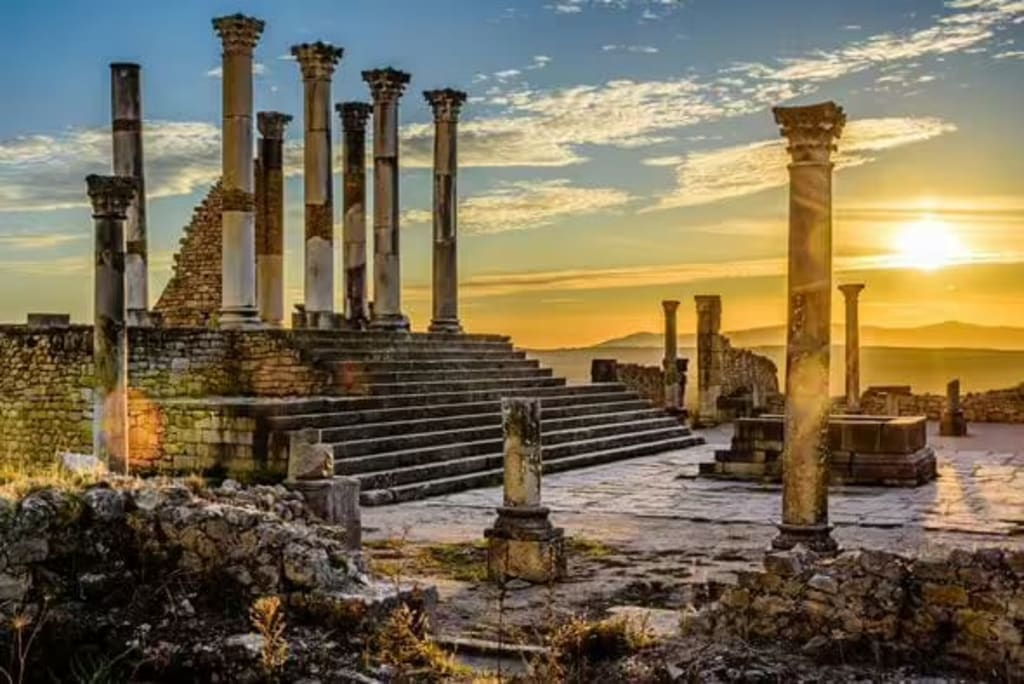
Ancient Mauretania covered parts of modern Morocco and western Algeria. It was a Berber kingdom that maintained relationships with Rome before eventually becoming a Roman province.
Its history reflects the complicated political relationship between indigenous North African kingdoms and expanding Mediterranean powers.
11. Kingdom of Altava
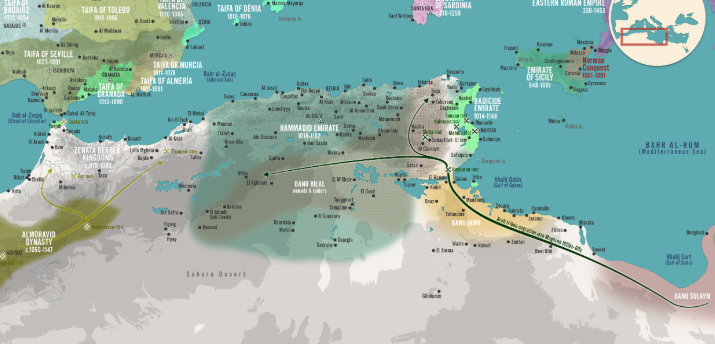
Centuries later, the Kingdom of Altava emerged as a Romano-Berber state in the region of modern Algeria.
It represented another chapter in North Africa's long history of indigenous rulers adapting, resisting, and negotiating within a changing Mediterranean world.
A Continent With More History Than We Were Taught
The most interesting thing about these kingdoms is not simply that they existed. It is that they existed alongside one another, interacted with distant civilizations and developed different answers to the same questions of power, trade, survival and identity.
From the Nile Valley to the Sahara and Mediterranean coast, Northern Africa was never merely a passage between Europe and the Middle East.
It was a centre of civilization in its own right, and that is the part of African history worth remembering: the continent did not wait for the modern world to discover it. It had already built worlds of its own.