Spider-Man: Brand New Day's Epic Impact on Franchise & Sony's Universe
The Sony Spider-Man Universe (SSU) is effectively dead following consecutive cinematic failures, prompting Sony Pictures to announce a "fresh reboot" while the MCU leverages Tom Holland's Spider-Man for renewed excitement. This new approach for Sony must learn from past mistakes, focusing on actual Spider-Heroes rather than villain spin-offs, contrasting with the MCU's reliance on the record-breaking trailer for <i>Spider-Man: Brand New Day</i> to revitalize its franchise.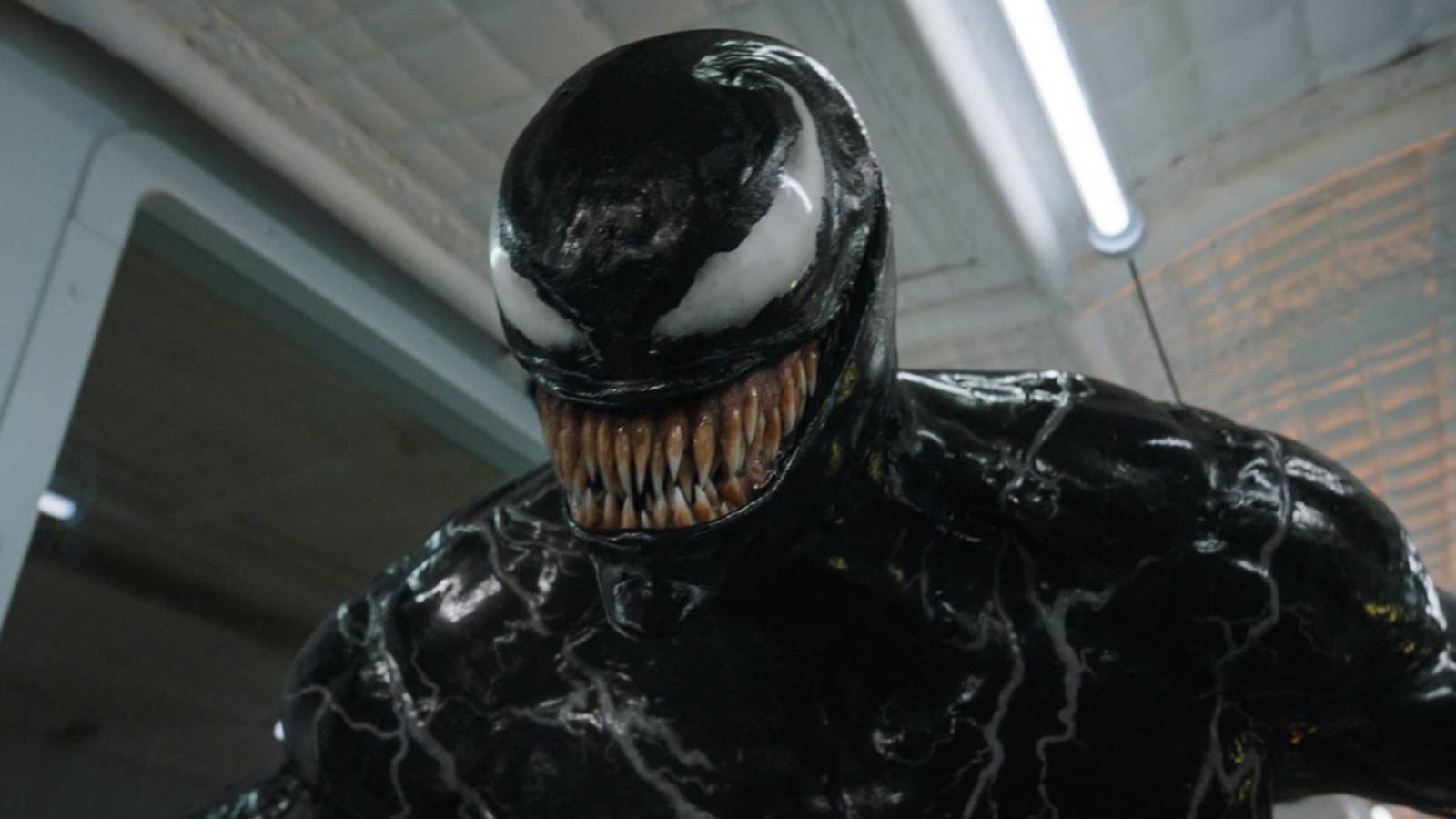
The Sony Spider-Man Universe (SSU) is widely considered to be effectively defunct, having concluded not with a spectacular finale, but rather a series of critical and commercial disappointments. Despite the financial success of the Venom trilogy, the SSU could not withstand the consecutive failures of films such as Morbius, Madame Web, and Kraven the Hunter. In a recent revelation on The Town Podcast, Sony Pictures Chairman Tom Rothman announced plans for a "fresh reboot" of its cinematic Spider-Man Universe, promising "new people" to steer its direction. This announcement comes just weeks before the Marvel Cinematic Universe (MCU) unveiled the first trailer for Spider-Man: Brand New Day, a development that significantly boosted excitement for the world of Peter Parker.
For Sony Pictures to succeed with a new Spider-Man Universe, it must avoid repeating the mistakes that led to the downfall of the previous SSU. The original SSU was largely conceived as a response to the overwhelming success of the MCU. Sony, holding the rights to Spider-Man and his associated characters, aimed to replicate Marvel Studios' formula. However, the strategy of creating poorly conceived and loosely connected spin-offs of Spider-Man villains, with minimal ties to Tom Holland's MCU Spider-Man, proved to be a critical flaw. A significant issue was the apparent lack of interest from Marvel Studios President Kevin Feige in the SSU, exemplified by the underwhelming payoff of the tease at the end of Venom: Let There Be Carnage. The absence of genuine interconnectivity, a cornerstone of the MCU's appeal, severely hampered the SSU.
Furthermore, the SSU's focus on obscure characters or key villains from Spider-Man's rogues' gallery, attempting to transform them into anti-heroes, resulted in cinematic failures like Morbius and Kraven the Hunter. Kraven, a prominent Spider-Man adversary, was unsuitably given his own movie, forcing him into a half-baked plot as an anti-poacher vigilante who battles The Rhino, rather than featuring in a Spider-Man film where he targets the hero, perhaps adapting a seminal storyline like 'Kraven's Last Hunt'. Madame Web was another significant misstep, presenting a contrived and convoluted narrative that tried to link Cassandra Webb (Dakota Johnson) to marginalized Spider-Heroes and an infant Peter Parker, despite the character not possessing the narrative strength to warrant a standalone origin story as a superhero.
A successful new SSU necessitates a fundamentally different strategy. Sony Pictures should abandon the failed approach of villain spin-off movies and instead focus on introducing actual Spider-Heroes. The animated Spider-Verse movies have already demonstrated the big-screen viability of characters like Spider-Man 2099, aka Miguel O'Hara. A live-action Spider-Man 2099 film, set in the distant future, could alleviate continuity concerns and allow creatives to focus solely on Miguel O'Hara’s narrative. Other compelling Spider-Heroes who could lead their own films include Scarlet Spider (Ben Reilly), Ghost Spider/Spider-Woman (Spider-Gwen), and Peter Parker's successor, Miles Morales. These heroes could provide compelling stories, ideally battling classic villains like Morbius, Kraven, and The Rhino, rather than these villains being shoehorned into their own ill-conceived features. The new SSU should prioritize popular, impactful characters before venturing into more obscure ones, avoiding past mistakes such as the failed attempt to develop an El Muerto film starring Bad Bunny.
Drawing inspiration from the MCU's initial success, the new SSU should follow a similar foundational approach. Marvel Studios' Phase 1 carefully built its universe by focusing on