Sociopath, Narcissist, or Just Difficult? The Psychology Behind the Labels
Calling someone a narcissist or sociopath has become almost effortless. But what do these words actually mean, and when do they go beyond everyday bad behaviour?

"My ex is a narcissist."
"My boss is a sociopath."
These labels have become common in conversations about difficult people, especially online. But sociopathy and narcissism are not the same thing, and bad behaviour alone does not make someone either.
So what separates them?
What does "sociopath" actually mean?

"Sociopath" is not a formal psychiatric diagnosis. It is an informal term commonly associated withantisocial personality disorder (ASPD).
ASPD involves a persistent disregard for other people's rights and social rules. A person with the disorder may repeatedly lie, deceive or manipulate others, behave irresponsibly, act impulsively, break rules or show little remorse after causing harm.
That does not mean everyone described as a sociopath is violent or criminal. A diagnosis involves looking at a person's history and behaviour rather than judging them from one incident.
What does it mean to be a narcissist?
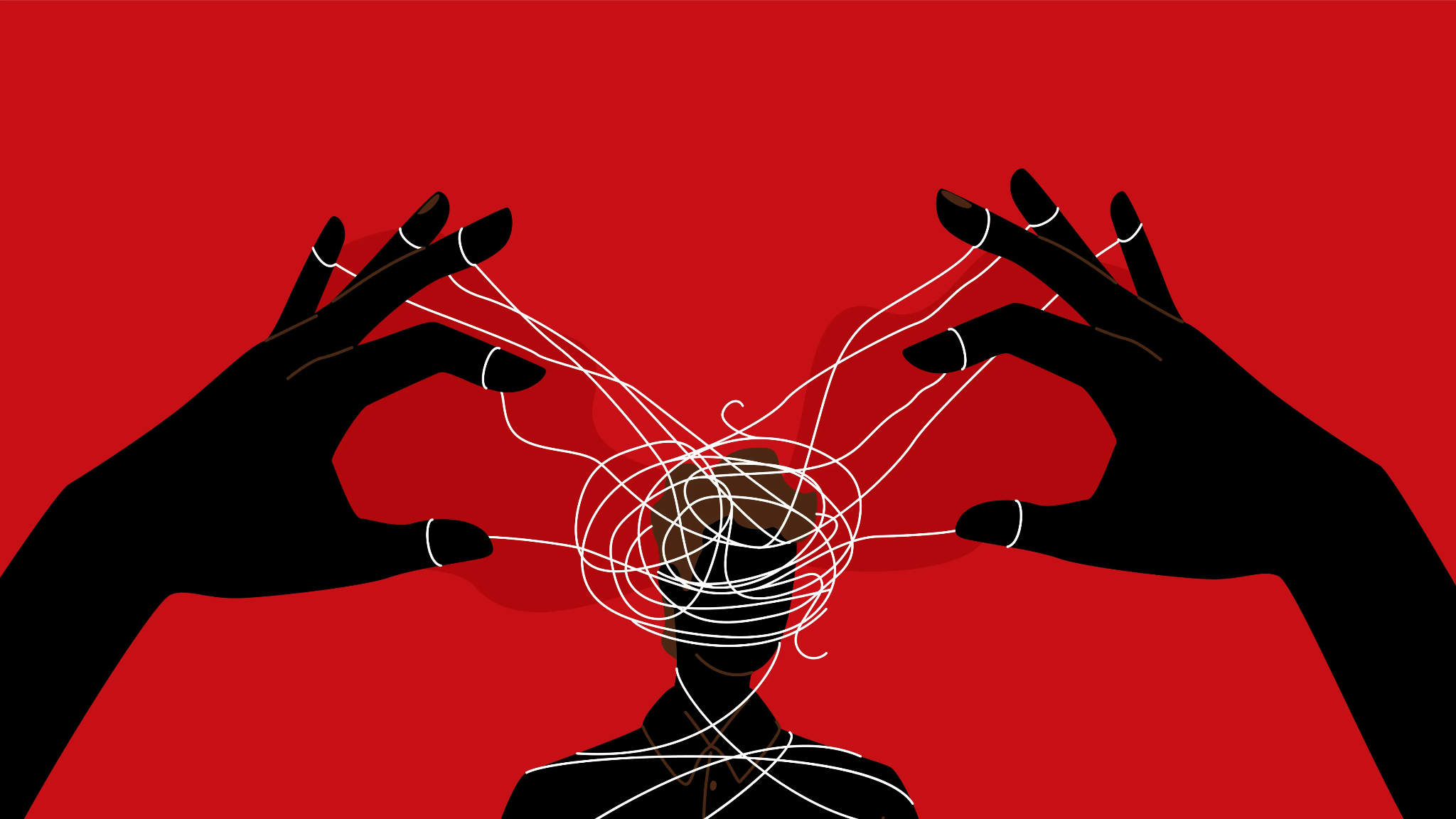
"Narcissist" is used just as loosely.
People can have narcissistic traits without havingNarcissistic Personality Disorder (NPD). Enjoying praise, feeling proud of an achievement or wanting attention does not automatically mean someone has the disorder.
NPD involves a persistent pattern that can include an exaggerated sense of self-importance, a strong need for admiration, entitlement and difficulty recognising other people's feelings. Criticism can also be particularly difficult for someone with NPD because it can threaten their sense of self.
Social Insight
Navigate the Rhythms of African Communities
Bold Conversations. Real Impact. True Narratives.
So calling someone self-centred is not the same as diagnosing them with NPD.
Where do they overlap?
This is where the confusion usually starts.
Both conditions can involve manipulation, exploitation, dishonesty and difficulty considering other people's needs. Someone dealing with either condition may create serious problems in relationships.
The distinction lies in the wider characteristics of each condition. ASPD is centred on disregard for other people's rights and social norms, while NPD is more closely linked to grandiosity, entitlement, admiration and problems with empathy and self-esteem.

The same behaviour can therefore appear in both conditions without meaning they are the same thing.
Can someone have both?

Yes.
Personality disorders can occur together, so a person can meet the criteria for more than one condition. This can make diagnosis more complicated.
You may also come across the term "malignant narcissism" when reading about severe narcissistic behaviour. It appears in some psychological literature, but it is not a separate formal diagnosis in theDSM-5-TR.
What does this mean for relationships?
You do not need to know someone's diagnosis to recognise harmful behaviour.
Repeated lying, manipulation, intimidation, exploitation or disregard for your boundaries are problems on their own. Trying to decide whether a partner, friend, relative or colleague is a "narcissist" or "sociopath" from a few incidents can also distract from what the person is actually doing.
A personality disorder diagnosis requires professional assessment, it is not something that can reliably be established from a social-media checklist or a difficult relationship.
Social Insight
Navigate the Rhythms of African Communities
Bold Conversations. Real Impact. True Narratives.