Simpsons Shakes Up 36-Year Formula in Shocking Revamp!
The Simpsons breaks tradition with its Disney+ special "Yellow Mirror," a two-part anthology parodying "Black Mirror." Featuring tales of alternate realities and AI addiction, the special signifies a bold new experimental era for the long-running show.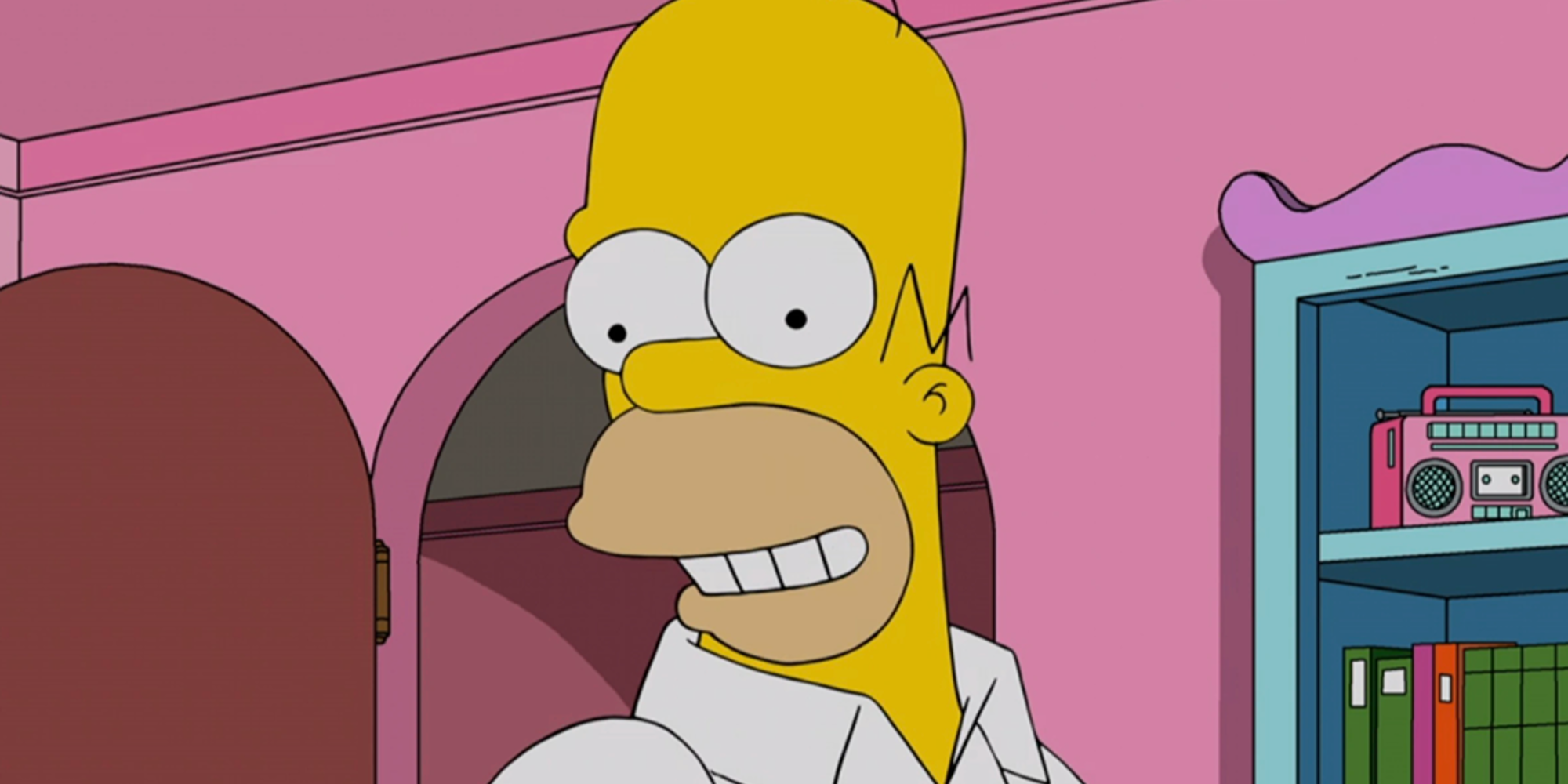
The Simpsons' 37th season features an unusual and significant special titled "Yellow Mirror," marking the third and final special of the season and released exclusively on Disney+. This special is a clear parody of the popular anthology series Dark Mirror (Black Mirror) and adopts a format typically reserved for the traditional "Treehouse of Horror" Halloween specials. Despite breaking from the show's established formula, "Yellow Mirror" is seen as heralding a new era for The Simpsons, suggesting a willingness to explore new and different creative avenues.
"Yellow Mirror" embraces an anthology format, presenting two dark and twisted tales: "The Way We Wasn't" and "I Have No Tablet But I Must Stream." While "Treehouse of Horror" specials generally feature three self-contained stories, "Yellow Mirror" distinctively offers two. The special also includes unique opening and closing credit sequences that pay direct homage to Black Mirror, reinforcing its parodic nature.
The first story, "The Way We Wasn't," cleverly plays on the classic Season 2 episode "The Way We Was," which chronicled how Homer and Marge fell in love. In this new narrative, Homer awakens from a mysterious dream, realizing he had dreamt his entire life and future with Marge in an eerie alternate reality. This storyline not only riffs on a beloved past episode but also hilariously satirizes real life: Homer's dreams inspire him to create a fictional animated franchise called "The Sadsons," which unexpectedly becomes a decades-long global phenomenon. Homer, as its creator, transforms into a grizzled, cynical, and jaded animator at conventions, perpetually haunted by the fictional world he conjured. This portrayal of Homer as a creator remarkably mirrors real-life Simpsons creator Matt Groening, adding layers of parody and self-reflection.
The second tale, "I Have No Tablet But I Must Stream," is a clever twist on Harlan Ellison's classic sci-fi story "I Have No Mouth, and I Must Scream." This short amusingly yet sobering explores the contemporary issues of screen addiction and artificial intelligence. The plot unfolds as Marge utilizes a tablet to distract and entertain Maggie, only for the tablet's AI, Hallie (voiced by Pattie Harrison), to brainwash Maggie. The narrative effectively highlights the real-life problem of young people becoming overly reliant on screens and AI. Although the Simpsons family ultimately defeats Hallie, the ending reveals a poignant aftermath: they no longer know how to connect emotionally as a family, choosing instead to spend time alone.
The structural format and willingness to deviate from tradition in "Yellow Mirror" are largely considered a positive development for The Simpsons. It provided the writers and animators with a unique opportunity to engage with characters in a fresh way, resulting in genuinely fantastic, timely, and socially relevant shorts. With The Simpsons having been on air for 38 years, and some critics suggesting it has long passed its peak, breaking from tradition, particularly for Disney+ exclusive episodes, is seen as a welcome experimental phase. Drawing inspiration from classic anthology series like The Twilight Zone, which also influenced Black Mirror, "Yellow Mirror" offers a new vision of thematically dystopian sci-fi, a genre The Simpsons has parodied throughout its history. Fans are encouraged to embrace such changes to the traditional formula, as they can inject new and refreshing content into a show that many believe needed innovation.