Shocking Navalny Toxin Allegations Lead to UK Sanctions Push Against Russia
The UK and its European allies have formally accused Russia of poisoning opposition leader Alexei Navalny with a rare dart frog toxin, epibatidine. This accusation, based on extensive evidence, has triggered calls for further sanctions and highlights growing tensions, though Moscow vehemently denies any involvement.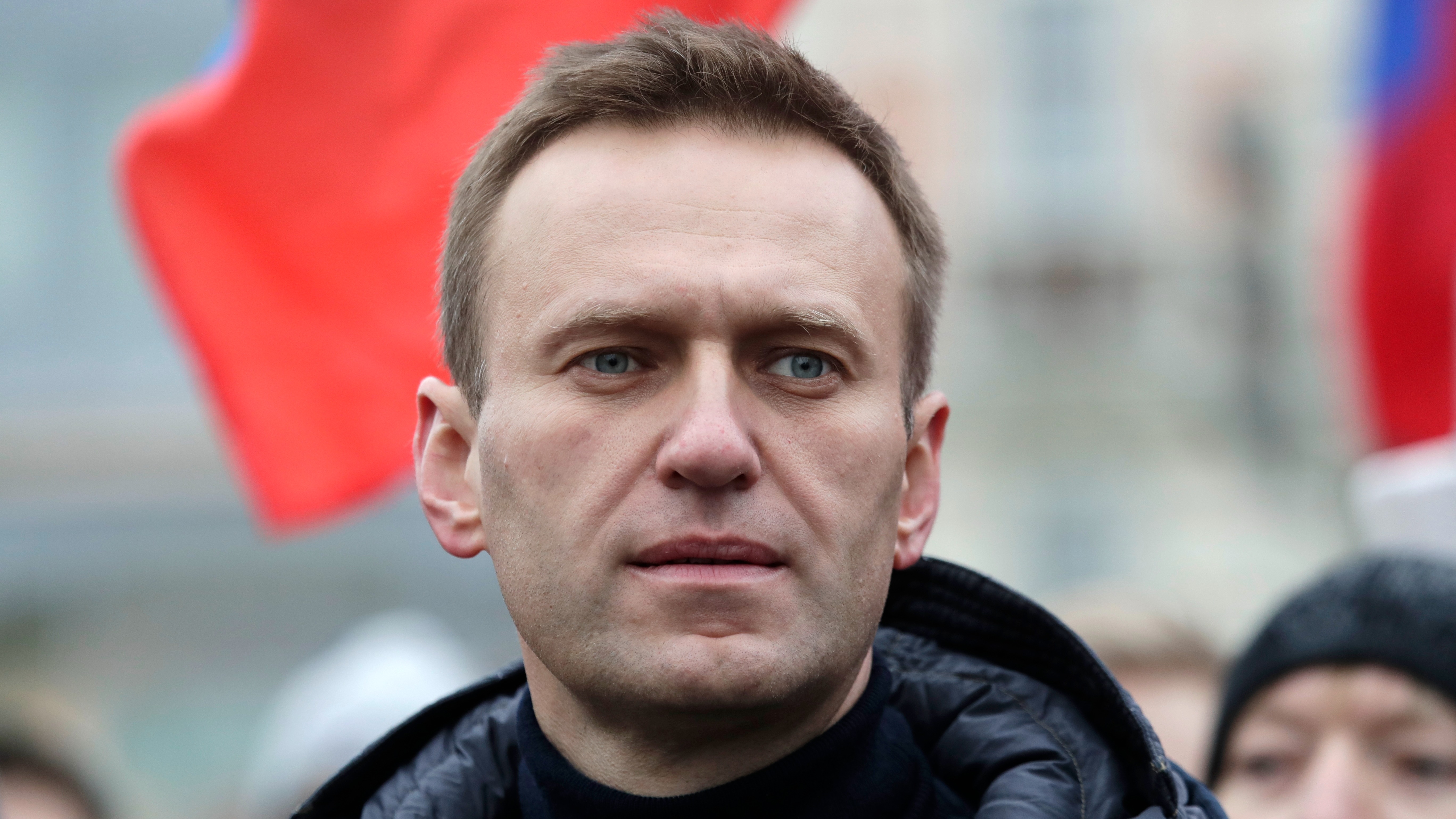
The United Kingdom and several of its European allies – Sweden, France, Germany, and the Netherlands – have collectively accused the Kremlin of orchestrating the poisoning of Russian opposition leader, Alexei Navalny.
Navalny, who died two years ago in a Siberian penal colony, was found to have traces of epibatidine, a potent neurotoxin derived from dart frogs, in samples from his body. This finding has led the five nations to conclude that his death was "highly likely" the result of poisoning arranged by the Russian state.
Yvette Cooper, described as the foreign secretary in the input, stated on the BBC’s Sunday With Laura Kuenssberg programme that the accusation against Russia is "deeply serious" and based on two years of evidence gathering.
She asserted that "Only the Russian regime had the means, the motive and the opportunity to administer this poison while he was in a Russian prison." The UK and its allies highlighted that epibatidine is not found naturally in Russia and is produced by wild dart frogs in South America, implying accidental ingestion was not possible.
They have reported the Kremlin to the Organisation for the Prohibition of Chemical Weapons, alleging a breach of its conventions.
Epibatidine, a natural neurotoxin isolated from the skin of certain South American dart frogs like Anthony's poison arrow frog and the Phantasmal poison frog, is described by toxicology expert Jill Johnson as "200 times more potent" than morphine.

This powerful chemical compound acts on nicotinic receptorsin the nervous system, overstimulating them. If correctly dosed, it can lead to muscle twitching, paralysis, seizures, a slow heart rate, respiratory failure, and ultimately death by suffocation, according to Johnson and Professor Alastair Hay.
The presence of this toxin in someone's blood strongly suggests deliberate administration, and its toxicity can be enhanced by co-administering other drugs. It is an extremely rare toxin, found only in specific geographic regions and in trace amounts, produced by frogs through their diet of specific alkaloids.
Instances of human poisoning by epibatidine are almost exclusively laboratory-based and non-fatal, making Navalny's case an incredibly rare method of human poisoning.
In response, the Russian embassy in London vehemently denied Moscow's involvement in Navalny's death, describing the accusations as illustrating the "feeblemindedness of western fabulists" and "necro-propaganda." The embassy's statement questioned the findings, drawing parallels to the Skripal case with "strident accusations, media hysteria, zero evidence."
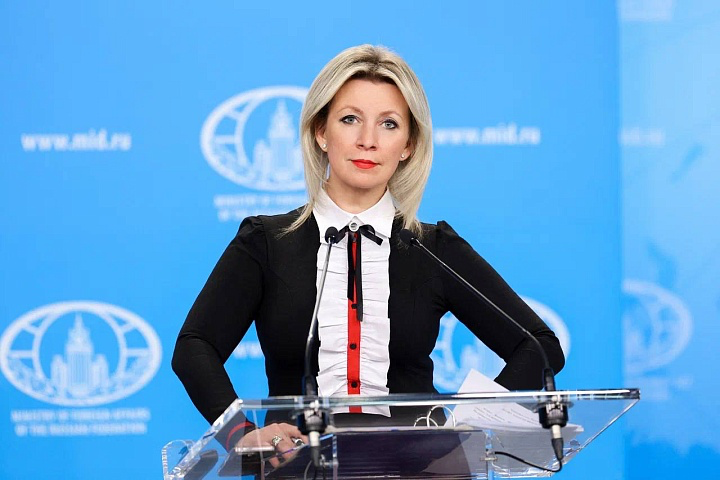
Kremlin spokesperson, Maria Zakharova, echoed this, calling the talks and statements "an information campaign aimed at distracting attention from the West's pressing problems." Moscow has consistently maintained that Navalny died of natural causes, a claim contradicted by his widow, Yulia Navalnaya, who asserts her husband was "murdered" by poisoning.
The incident has significant geopolitical implications. Cooper suggested that "the cold war peace dividend we all believed in and hoped for has gone," and urged readiness for "Russian aggression continuing towards Europe."
She indicated that further coordinated actions, including increased sanctions on the Russian regime, are being considered, especially in light of the impending fourth anniversary of the invasion of Ukraine. She emphasized the importance of international partnerships in maintaining pressure on Russia and providing military support to Ukraine.
The US Secretary of State, Marco Rubio, acknowledged the "troubling" conclusions of the five European allies, stating Washington had no reason to question them, though the US did not join their direct statement, explaining it as "their endeavour."
Meanwhile, the UK’s shadow foreign secretary, Priti Patel, warned of an emerging "axis of authoritarianism" involving Russia, China, North Korea, and Iran, advocating for strong alliances with partners like the US.