She100: The Woman Behind the Data — How Aster Tsegaye Shaped Ethiopia's Public Health Response
Discover how Prof. Aster Tsegaye, Ethiopia’s leading immuno-hematologist, transformed public health through HIV research, laboratory innovation, and championing women in science. Her data-driven work saves lives across Ethiopia.
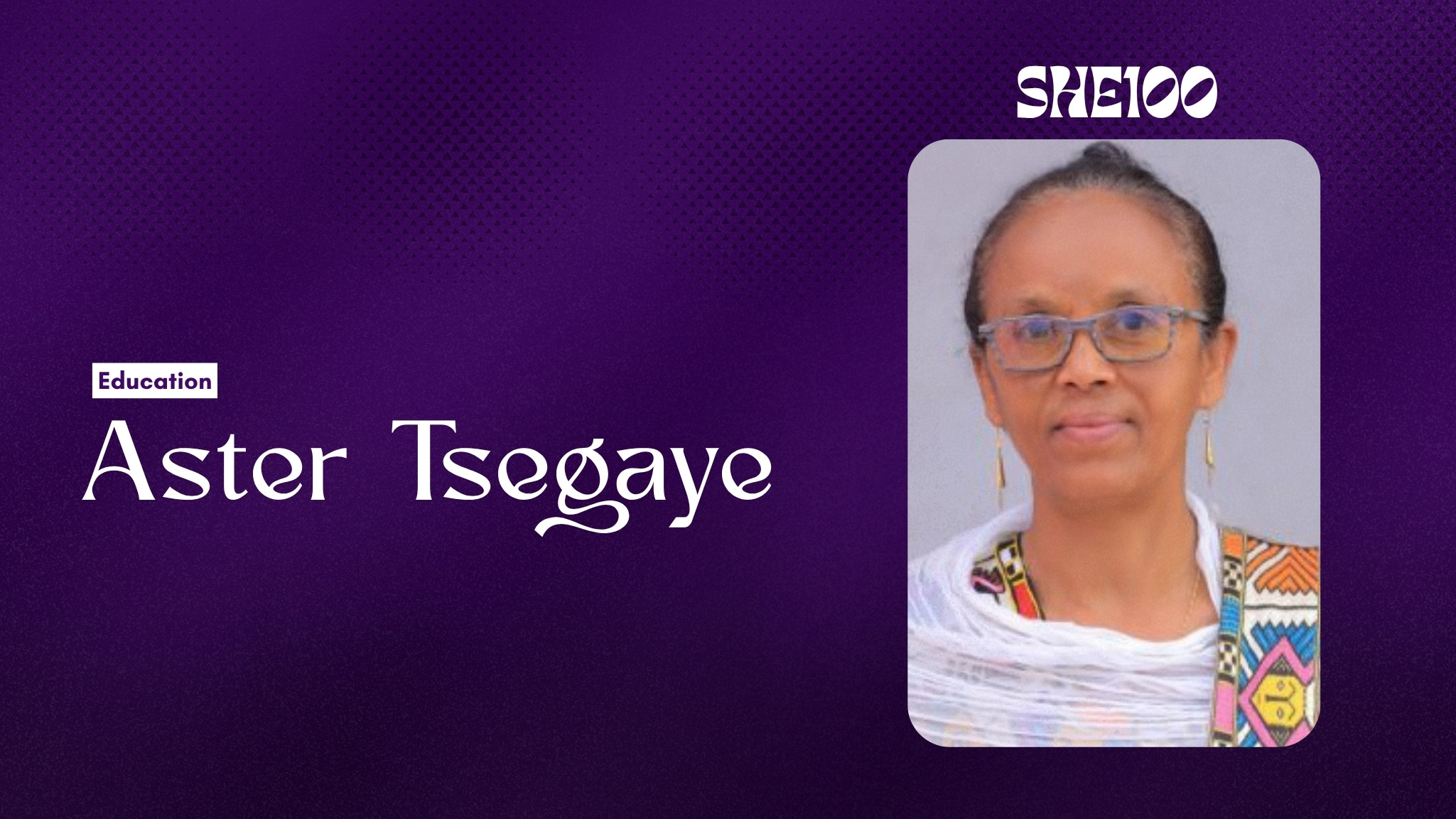
Growing up, Aster was the kind of kid who asked too many questions. She wanted to be a doctor.
Aster Tsegaye was born in Harar, the ancient-walled city in eastern Ethiopia and all her dreams of becoming a scientist might have stayed in her head if she looked at the 500-kilometre distance to Addis Ababa, where that would have been possible.
But she didn’t. She made it to the capital and once she got there, she never stopped pushing.
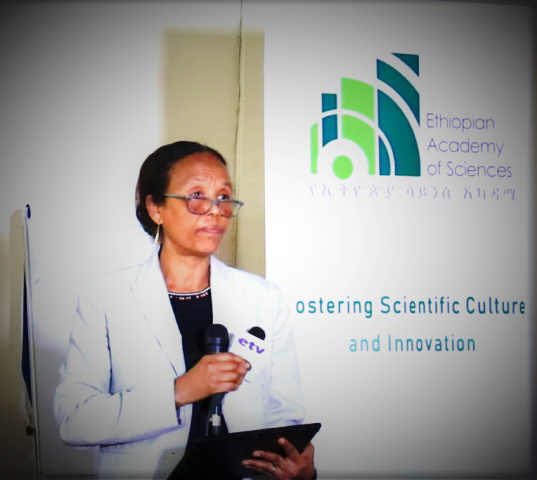
Today, Prof. Aster Tsegaye is one of Ethiopia's most decorated scientists — a Professor of Immuno-Hematology at Addis Ababa University, a Fellow of the Ethiopian Academy of Sciences and a woman whose decades of research have quietly shaped how Ethiopia tracks, diagnoses, and responds to infectious disease.
If you have ever wondered who does the unglamorous but life-saving work of figuring out how HIV actually behaves in African bodies — Aster Tsegaye is that person.
Following HIV Before It Was Understood
When Aster began her career in clinical laboratory science, the HIV/AIDS crisis in sub-Saharan Africa was at its most devastating point. Ethiopia was among the hardest hit countries in the world.
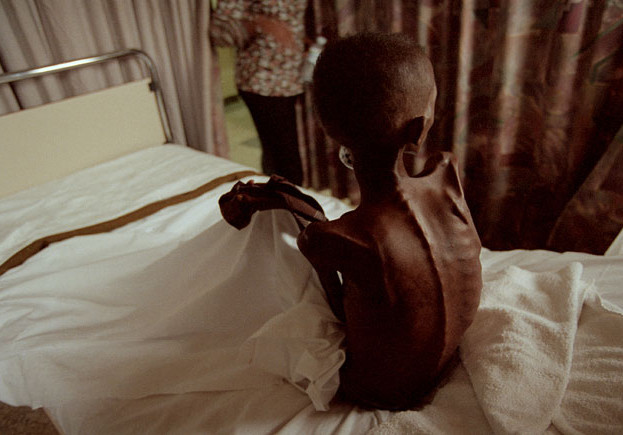
The data was grim, the resources were thin and the science being used to understand the virus was largely built on Western populations. The bodies were different, living conditions alongside the different co-infections.
That gap bothered her, so she went to Amsterdam.
Her PhD at the University of Amsterdam, completed in 2004, focused on HIV immunology with a specific lens on Ethiopian patients.
One of her key questions was how do co-infections, like intestinal parasites, which are extremely common in Ethiopia, affect the immune systems of people living with HIV?
Her research showed that these parasitic infections could alter T-cell counts and activate the immune system in ways that made people more vulnerable to HIV.
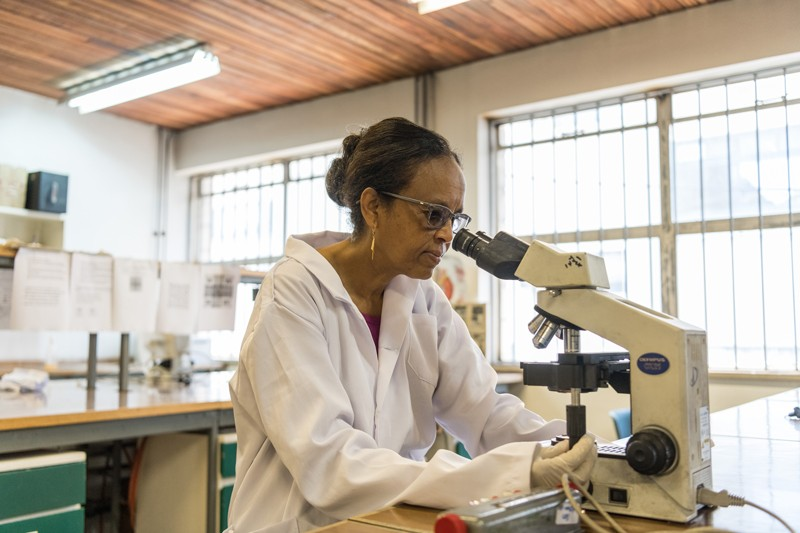
The implication was significant, treating intestinal parasites could be part of a broader HIV protection strategy.
It was exactly the kind of context-specific finding that could only come from someone studying African bodies in African conditions.
She also contributed to sentinel surveillance research that tracked the prevalence of HIV among young women attending antenatal care clinics in Addis Ababa between 1995 and 2001.
That study documented a meaningful decline in HIV rates during that period and this data that helped public health officials understand what interventions were actually working on the ground.
The Lab Is Political Too
Laboratory quality has always been a public health issue, and in Ethiopia, it has been a serious one.
Most clinical decisions, whether a patient has HIV, whether their treatment is working, whether their blood count is stable, are based on laboratory results. But for years, medical laboratories across Ethiopia have struggled to access reliable quality control materials.
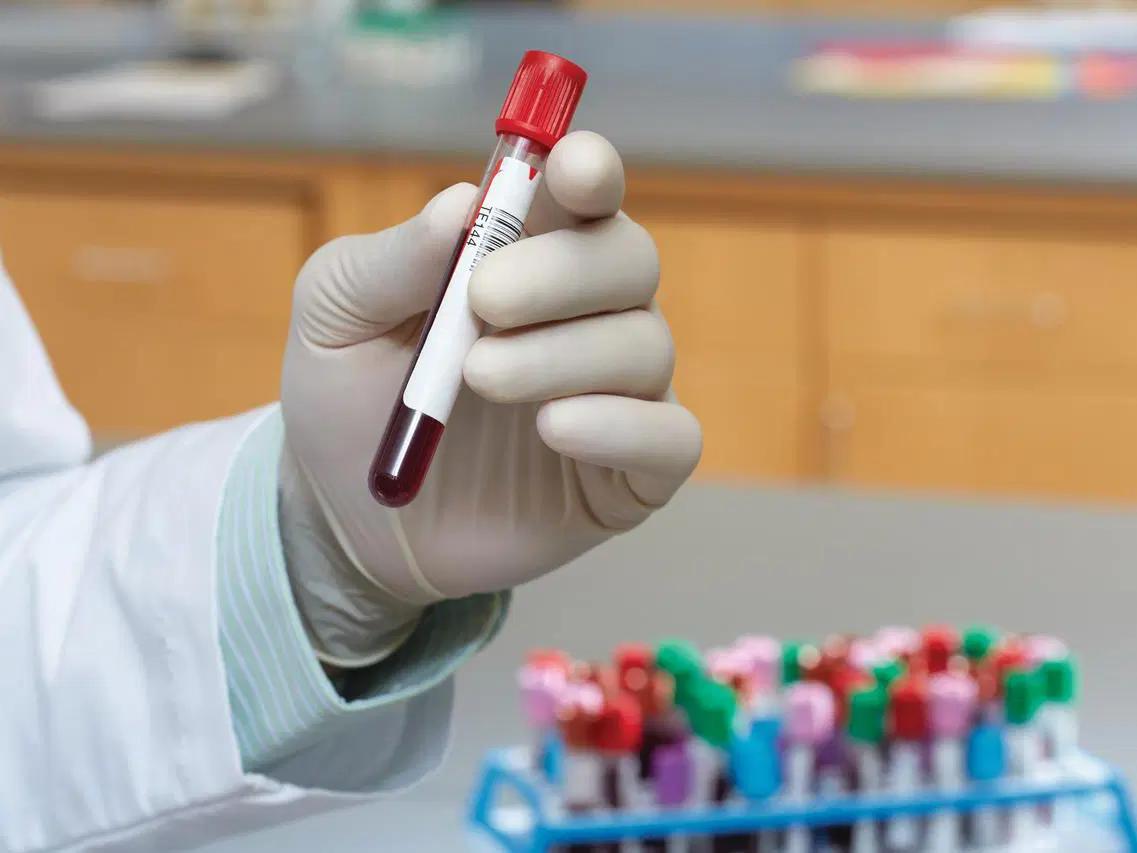
These are the reference benchmarks that tell a lab whether their machines are reading results accurately. Without them, a test result is only as reliable as the equipment's last good day.
Aster decided to tackle this directly. She secured a $220,000 research grant from Ethiopia's Ministry of Science and Technology to investigate alternative quality control methods that could work in low-resource settings across the country.

The project, conducted in collaboration with eight universities and regional laboratories, also aimed to establish Ethiopia's own national reference intervals, the clinical baseline measurements that define what"normal" looks like for Ethiopian patients specifically, because what is normal in Amsterdam isn't necessarily normal in Harar.
This is the kind of structural, systemic science holds entire health systems together.
Opening the Pipeline
Aster has always been clear about the problem. Women enter science at equal numbers in primary school. By the time you reach the highest levels of research and academia, they have almost disappeared. The pipeline leaks and it leaks hardest at the top.
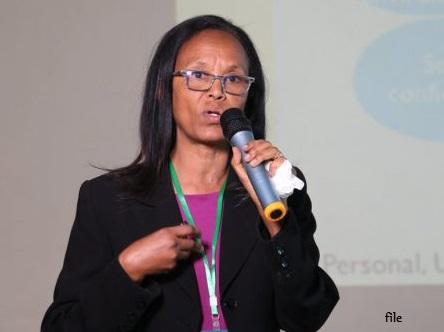
Rather than simply note this and move on, she built something. She co-foundedthe Society of Ethiopian Women in Science and Technology (SEWiST), working alongside Ethiopia's Ministry of Science and Technology to create structured support for women in research.
Through SEWiST, she organised workshops, mentoring programmes and networking opportunities specifically targeting female scientists in infectious disease.
She has supervised over 150 graduate students throughout her career and published more than 120 peer-reviewed papers. A branch of Enat Bank, a women-focused financial institution in Ethiopia, was named in her honour.
Why She Matters
Aster Tsegaye represents the rigour that is relevant. Her work did not just advance knowledge in a vacuum, it answered questions that mattered to real people in real places.
She understood that African health needs African data, African baselines and African scientists committed enough to build all of that from scratch.
She is the woman behind the data. And the data saves lives.