Scarcity At Home: The Danger of Food Export Culture in Africa
Just how much of Africa's food is exported, and how does this affect the local food table?
When the Orchard Leaves, the Plate Empties
Trade keeps economies alive, moving money, goods, and opportunities across borders. It can even lift entire communities out of poverty.
In many places, an “export culture” has taken root, where farms and food systems are now geared mainly toward producing for international buyers. On paper, it’s a win.
Countries bring in valuable foreign currency, farmers tap into high-paying markets, and governments have more to spend on roads, storage, and other infrastructure. But there’s a flip side. When so much of the harvest is set aside for export, the local market is left with less. Prices rise, and foods that were once everyday staples can start to feel like luxuries.
Avocados from Kenya
Kenya’s avocado exports are booming. In 2023 roughly 122,581 tonnes left the country out of total production of around 633,000 tonnes. The sector earned about KSh 19.4 billion in export revenue. The result is fruit that once adorned ordinary tables becoming distant luxuries as prices climb and premium-quality harvests are directed abroad.
Cashews in Côte d’Ivoire

Image Credit: Unsplash
Mountains of raw nuts and big export dollars make for a striking contrast with scarce domestic availability.
Côte d’Ivoire produced over 1.2 million tonnes of cashews in 2023, becoming one of the top raw exporters. Revenue from this booming sector is estimated at over $800 million. However most of the nuts are shipped out unprocessed, so local consumers rarely enjoy the value-added benefits of roasted or packaged goods.
Sesame in Ethiopia and Sudan
Small seeds that yield substantial export cash but little local innovation
Sesame stands as Ethiopia’s second-largest cash crop by weight. Export earnings have ranged between $182 million and $363 million during 2018–2022. Similarly significant revenues flow from Sudan. Hundreds of thousands to millions of tonnes exit the region annually but such produce is rarely seen in local food innovation or markets.
Teff – Ethiopia’s Superfood for the World
Global demand pushing up prices at home
Teff is the grain behind Ethiopia’s beloved injera. In 2023 Ethiopia exported about 1,570 tonnes of teff, earning around $2.6 million in value. While most of the crop remains for domestic consumption, international demand and rising urban consumption are elevating prices and limiting access for lower-income households.
Coffee and Tea, Ethiopia’s Specialty Crops Abroad


Image Credit: Unsplash
High-value exports, but low domestic benefit. In 2022 Ethiopia earned roughly $1.5 billion from coffee exports. Premium beans are almost exclusively exported, while locals often rely on lower-grade blends or instant coffee. The economic value leaves with the harvest long before it reaches nearby kitchens.
Other Produce That Disappear from Local Markets
Fish, mangoes, pineapples, French beans, bananas, and shea butter all follow a similar pattern in African export culture: large volumes are shipped abroad, generating significant revenue, yet local markets often face shortages and high prices.
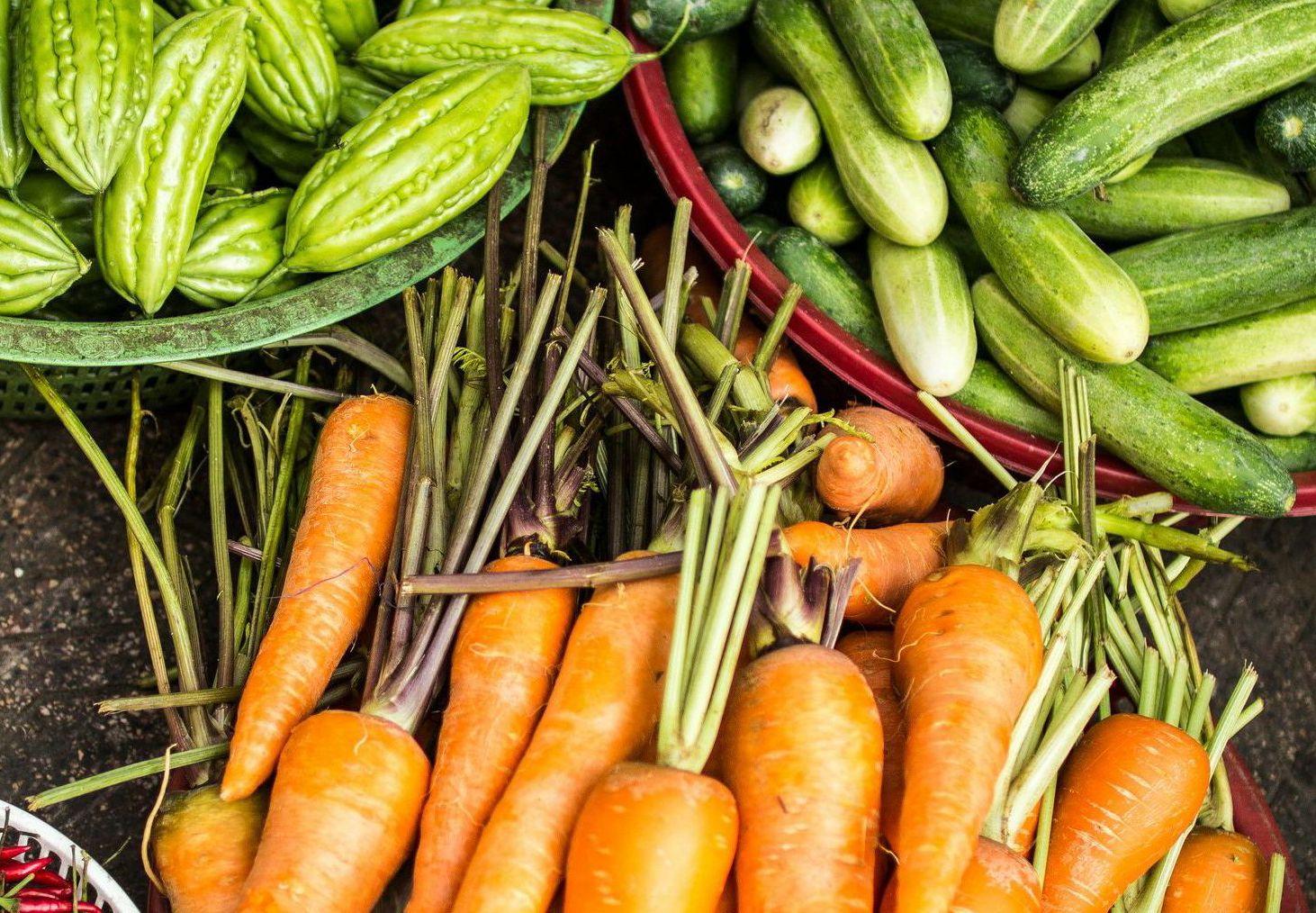
Nile perch and tilapia from Lake Victoria are routinely exported to Europe; mangoes and pineapples feed international juice and fruit-processing chains; and French beans with baby carrots from Kenya and Ethiopia fill refrigerated containers bound for foreign supermarkets.
Dessert banana exports from Cameroon and Uganda have risen sharply, leaving urban consumers short during the dry season, while raw shea kernels are exported in bulk to cosmetic and food industries, with far less investment in local processing.
The Double-Edged Sword of Export Culture
Why it can be good
Export culture brings income, drives agricultural modernization, and funds roads, storage, and cold chains. It offers farmers and nations global market access and can elevate economies.
Why it can be bad
Yet when exports absorb the best crops and bulk of supply local consumers lose out. Prices rise and staple freshness disappears from pantry shelves. Commodities that boost GDP figures do not always improve household food security.
Why Numbers Matter in the Dinner Bowl
Tonnes and revenues are more than statistics. They map out who eats and who profits. When raw nuts, refrigerated vegetables, and premium beans find their way into international shipping lines local affordability and availability shrink, even while balance-of-payments numbers gleam.
Conclusion: Feeding Both Home and the World
A healthier balance is possible. Export markets will always be important, but they do not have to come at the cost of local food security. Governments can set regulations that ensure a fair share of high-quality produce stays in domestic markets before shipments head overseas.
Encouraging local processing and manufacturing, whether it is roasting cashews, milling teff, or pressing shea butter, can keep more of the value chain at home, creating jobs and making nutritious products more available locally.
Paired with better market data and infrastructure investment, these steps can turn export culture into a system that feeds both the world and the communities where the harvest begins.