Rooted: African Inventors Inspiring the Continent
Across the African continent, a generation of innovators are rewriting the rulebook of invention—not in high-tech labs or Silicon Valley boardrooms, but in remote villages, crowded cities, and universities fueled more by passion than resources. These are the stories of African inventors whose personal journeys are inseparable from the groundbreaking technologies they've built.
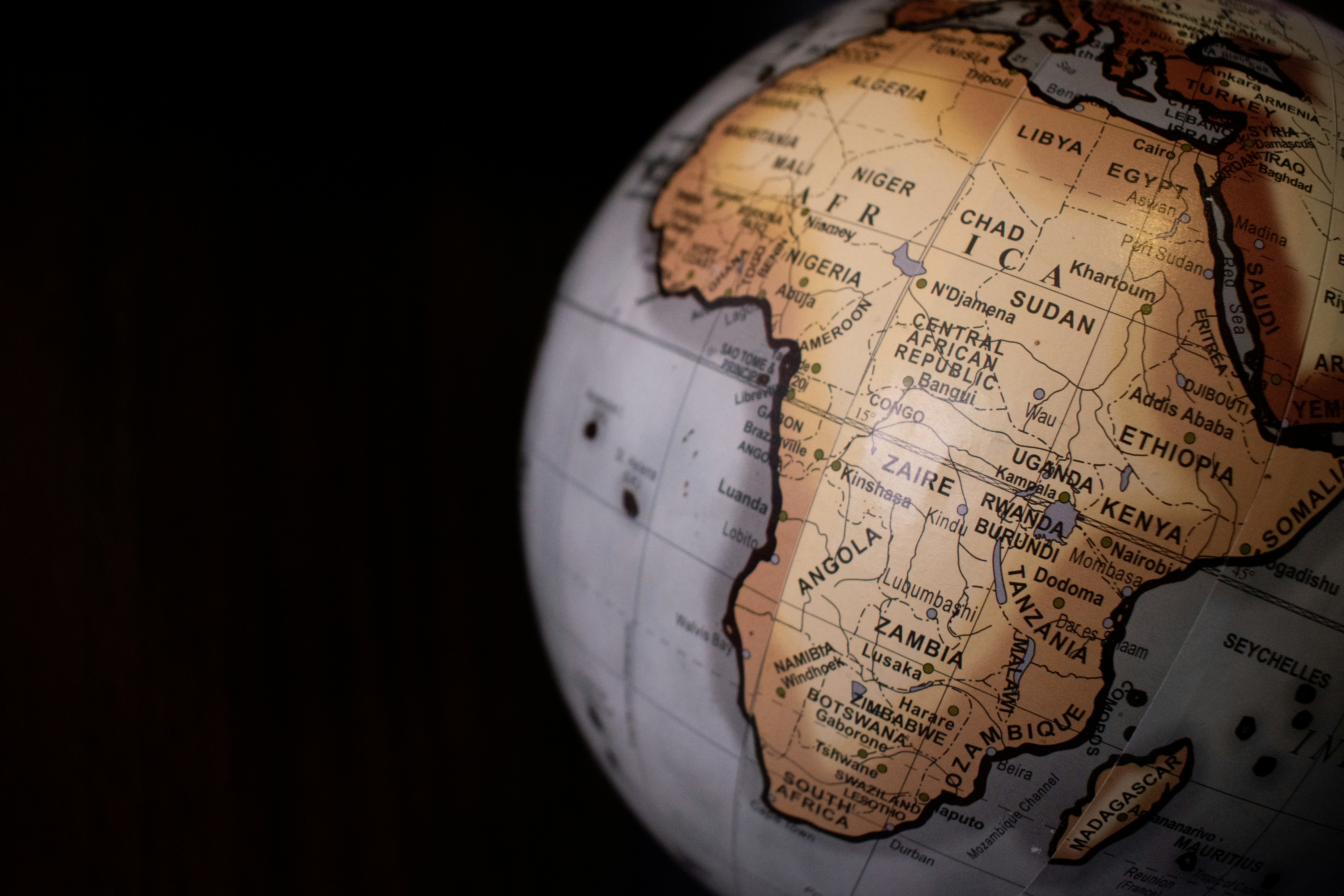
Across the African continent, a generation of innovators are rewriting the rulebook of invention—not in high-tech labs or Silicon Valley boardrooms, but in remote villages, crowded cities, and universities fueled more by passion than resources. These are the stories of African inventors whose personal journeys are inseparable from the groundbreaking technologies they've built.
Tope Awotona - The one and Only Calendly

Think of the number of times someone has sent you a Calendly link to choose a time for a meeting, and it automatically registered on your various calendars. Amazing right? Well, we wouldn’t have that without Tope Awotona.
Tope Awotona's journey spans continents, careers, and countless lessons in persistence. Born in Lagos, Nigeria, he moved to the U.S. as a teenager after the tragic loss of his father during a carjacking. After graduating from the University of Georgia with a degree in management information systems, he began a career in sales at IBM. For seven years, he worked in tech sales by day, while chasing entrepreneurial dreams by night—launching e-commerce ventures that failed due to poor product-market fit.
It wasn’t until he grew frustrated with the inefficiencies of scheduling meetings over email that he found a problem he truly cared about solving. Unsatisfied with the clunky tools available, he poured all his savings into building a better solution. That idea became Calendly. Founded in 2013, Calendly has grown into one of the most widely used scheduling platforms in the world, now valued at over $3 billion. Awotona is among the wealthiest Black tech entrepreneurs—a testament to resilience, clarity of purpose, and the global potential of African diasporic innovation.
mScan - Superheroes of Motherhood

In Uganda, 2017, a team of young innovators turned a university project into a life-saving device. Prosper Ahimbisibwe, Menyo Innocent, Phyllis Kyomuhendo, and Ivan Nasasira developed mScan, a mobile ultrasound device designed to improve prenatal care.
With backgrounds in radiography and public health, they were motivated by Uganda’s high maternal mortality rate and the lack of diagnostic tools in rural areas. Their portable, low-cost scanner is now in use across clinics, bringing essential imaging technology to expectant mothers who would otherwise go without.
Soilless Veggy Team - No Soil. No problem

Food security is also being tackled through innovation. In Ghana, the Soilless Veggyteam, led by agricultural scientist Emmanuel Osei Mensah, created a nutrient-rich, affordable growing medium that allows vegetables to thrive without soil. Developed in 2021, their innovation is tailored for smallholder farmers who lack access to fertile land. It supports sustainable agriculture in cities, arid zones, and degraded soils—critical as climate change reshapes Africa’s farming future.
Dr. Christian Happi - The War Against Ebola

While some focus on treatment, others target prevention. Dr. Christian Happi, a molecular biologist and geneticist originally from Sangmélima, Cameroon, has devoted his life to studying the infectious diseases that plague West Africa. A graduate of the University of Yaoundé and the University of Ibadan, with postdoctoral research at Harvard University, Dr. Happi has been instrumental in Africa’s fight against Ebola, Lassa fever, malaria, and other deadly pathogens. From his base at Redeemer’s University in Nigeria, he has developed rapid diagnostic tests and disease surveillance systems that have saved thousands of lives and significantly improved outbreak response across the continent.
He is best known for leading the team of scientists that used genomic sequencing to identify a single point of infection—from an animal reservoir to a human—during the West African Ebola outbreak. His research spans a broad array of infectious diseases, including malaria, Lassa fever, Ebola virus disease, HIV, and SARS-CoV-2. As a Professor of Molecular Biology and Genomics in the Department of Biological Sciences and Director of the African Centre of Excellence for Genomics of Infectious Diseases (ACEGID), Dr. Happi is at the forefront of efforts to harness science for public health in Africa.
Mohammed Bah Abba - The Local Clay Fridge

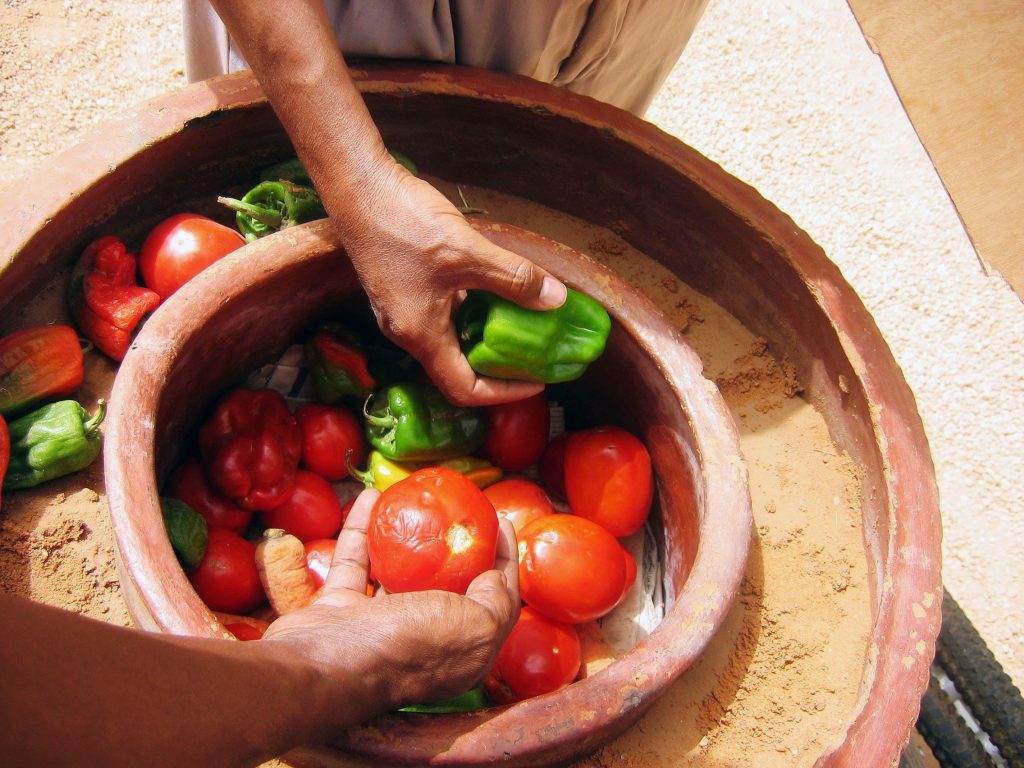
In the 1990s, in northern Nigeria, a teacher named Mohammed Bah Abba combined ancestral knowledge with the modern need to invent the pot-in-pot refrigerator. Using two clay pots with wet sand between them, this simple, electricity-free device keeps food and medicine cool in hot climates. Abba came from a family of traditional pot makers and was deeply connected to his community. Employing local artisans, he produced and distributed the refrigerators to subsistence farmers, helping them preserve produce and reduce spoilage.
In hot and dry climates (like northern Burkina Faso), with daily maximum air temperatures of 30 to 45°C this system of evaporative cooling enables temperatures to reach between 13 and 22°C inside the cooler. The clay pot cooler can extend the shelf life of food by three to four times. His efforts earned him the Rolex Award for Enterprise in 2001 and global recognition for frugal innovation

Seyi Oyesola - The Mobile Hospital

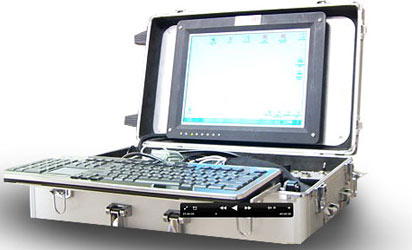
In 2007, Nigerian-born Dr. Seyi Oyesola unveiled the CompactOR, a revolutionary invention known as the “Hospital in a Box.” This solar-powered, portable hospital can be set up in ten minutes and contains everything needed to perform surgery in the most remote and underserved areas—defibrillators, EKG monitors, anesthesia equipment, and lighting.
Dr.Oyesola was born in Nigeria but raised in Cleveland, USA, before returning to Nigeria for university. Trained as an anesthesiologist and critical care specialist in the UK and U.S., his vision for the CompactOR was shaped by witnessing preventable deaths in under-resourced rural hospitals. Driven by a mission to deliver surgical care where it’s needed most, his innovation continues to save lives in areas where electricity and infrastructure are unreliable.
Nzambi Matee - Plastic to Building Bricks
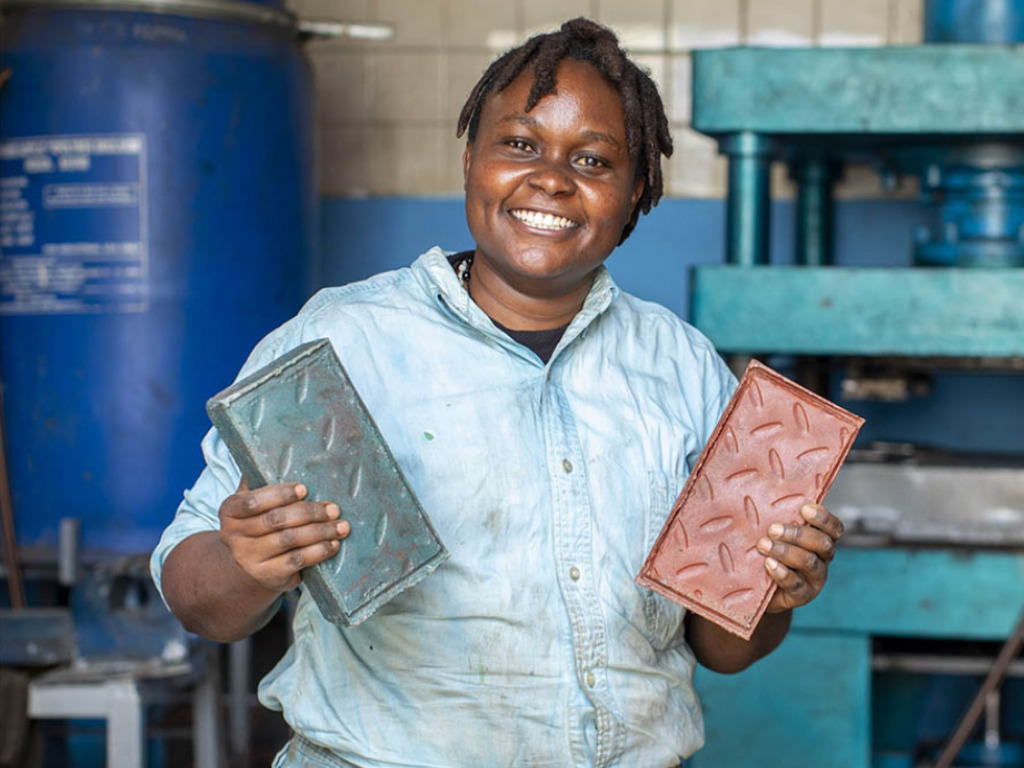
Kenyan engineer Nzambi Matee took a different path—one that began in Nairobi’s oil and gas industry. Disturbed by the city’s overwhelming plastic waste and the low rate of recycling, she left her job to develop building bricks made from recycled plastic and sand. In 2019, after years of prototyping, she launched production through her company, Gjenge Makers. Her eco-friendly bricks are stronger, lighter, and cheaper than concrete and are now used in homes and schools throughout Kenya. Matee’s work is a masterclass in turning environmental devastation into economic opportunity.
Conclusion
From clay pots to genomic sequencing, water engines to plastic bricks, these African innovators are not simply solving problems—they are redefining what innovation looks like. Many were shaped by personal tragedy, local hardship, or the limitations of their environments. But instead of seeing obstacles, they saw opportunities. Each invention is more than a product—it’s a story of resilience, rooted in community and driven by a desire to build a better future.
Africa’s inventors are not waiting for help. They are helping themselves—and the world is beginning to take notice.