Racism Didn’t Skip Us — We Just Learned to Call It Something Else
We don’t talk about racism here. Not seriously. Not the way it’s discussed in the U.S. or the UK, mostly because we’ve convinced ourselves it isn't our problem.
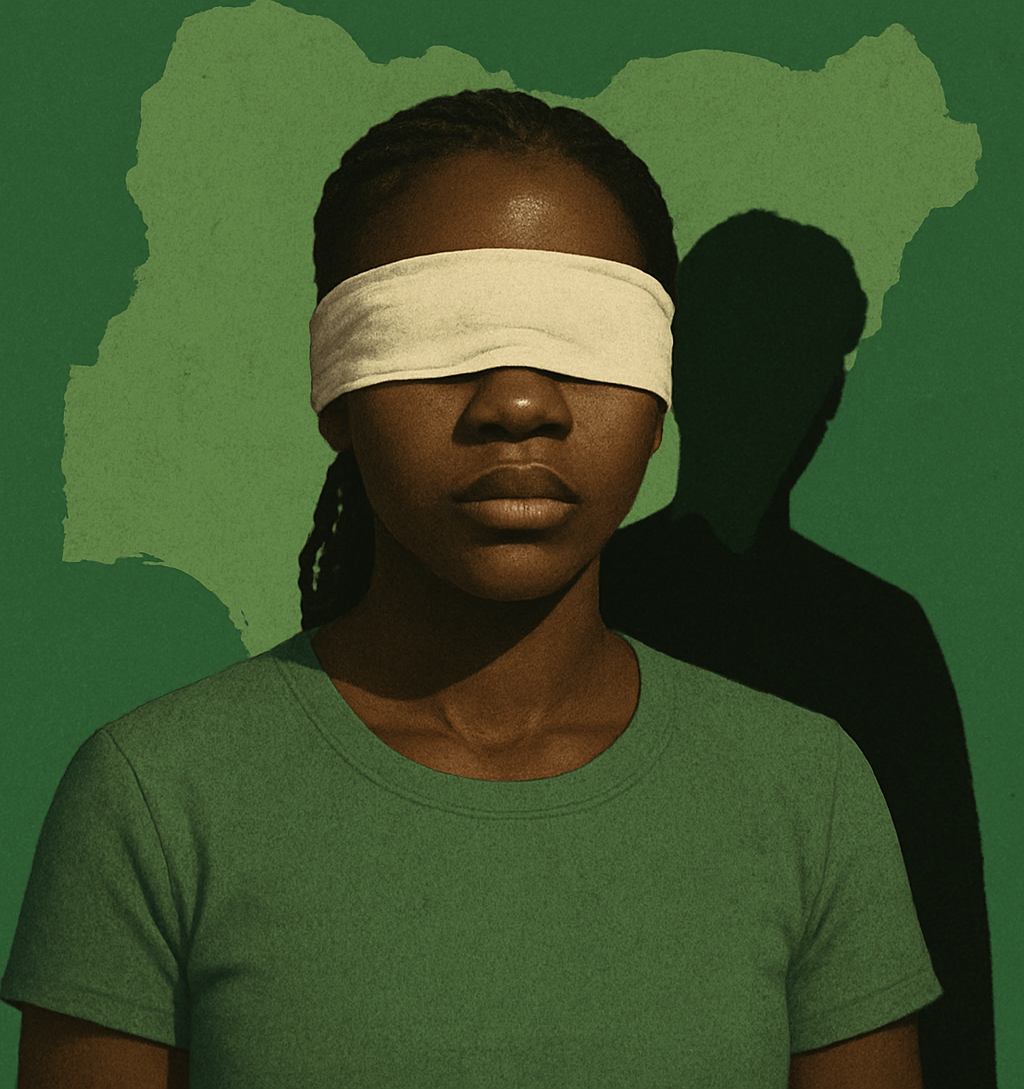
We don’t talk about racism here. Not seriously. Not the way it’s discussed in the U.S. or the UK, mostly because we’ve convinced ourselves it isn't our problem.
And that’s mostly because we’ve convinced ourselves it doesn’t exist. “We’re all Black here, how can there be racism?” That line says a lot. It shows how many of us see racism as something that only happens when a white person is involved.
But what if racism isn’t always about who’s in the room? What if it’s about who holds the power, who sets the standards, and who benefits from silence?
Here’s the truth: racism exists in this country. It exists in many African countries. We just don’t see it because it isn’t always loud or obvious. It's quieter here; polite and sometimes hidden beneath smiles and nods.
The Residue of Colonialism
Let’s start with the roots. Colonialism wasn’t just about land or borders. It was about hierarchy. It taught us to associate whiteness with power, progress, and intelligence, and Blackness with everything opposite. These ideas didn’t vanish when the colonizers left. We kept the systems. We inherited the institutions. And more dangerously, we absorbed the mindset.
You see it everywhere:
- It’s in the praise for someone who “speaks well,” meaning they sound British or American.
- It’s in the beauty billboards where the lighter-skinned model always gets the spotlight
- It’s in schools where students are punished for speaking their local language.
- It’s in how foreign-owned businesses often operate above the law while task forces harass local vendors.
Even today, in our own countries, whiteness still holds symbolic and economic power. We treat white people or anyone who looks, sounds, or associates with whiteness, like they are somehow better. We call them "expats" when they work here, but Africans abroad are "immigrants." We pay more for services when a white face is attached. We market our cities and experiences for the approval of a global gaze, even when it disadvantages our own.
Internalized Racism: The Kind That Hides
It gets more complicated when we realize we’re not just experiencing racism—we’re often reinforcing it ourselves.
We repeat colonial attitudes in casual jokes, parenting, and what we aspire to. We raise children to be ashamed of their accents, their names, their hair, and their history. We joke that being “too African” is backward. We say “don’t marry someone too dark” like it’s advice. We reward foreign degrees but mock local qualifications.
We’ve learned to distrust ourselves. That’s not a coincidence. That’s conditioning.
But It's Not Just About Whiteness
Racism also shows up in how we treat other Africans.
- In Nigeria, we’ve seen xenophobia surface in the way some nationals are blamed for crime or overpopulation. Some groups are blamed for crime or population growth. “It is only a Yoruba man that can do such.”
- In South Africa, anti-African immigrant violence has become normalized in parts of society. Violence against African immigrants is sadly common, or have we forgotten the xenophobic attacks against Nigerians in 2019?
- In North Africa, Black sub-Saharan migrants are often treated as second-class humans, if human at all.
- In Kenya, lighter-skinned women receive better treatment and compliments about their beauty, while dark skinned individuals don't receive the same recognition. Reports have also been made where light-skinned models and actors were favoured while the dark sinned ones were pressured to use
Even here at home, tribalism and colourism feed off the same root. They create social caste systems where power is unevenly distributed, and certain people are “preferred” without question. It’s all connected, tied to the same root.
What We Refuse to Name, We Can’t Fix
We may not have racist police gunning down Black teenagers in the street. But we do have a problem, deep, complicated, and layered – about power, identity, and who gets treated fairly.
And we can’t fix what we won’t admit is there.
So no, racism didn’t skip us.
It just doesn’t always look like a slur or a knee on someone’s neck. Sometimes, it looks like the job you never got. The loan that was never approved. The voice that’s constantly ignored.
The child is taught to unlearn who they are. It hides in compliments like:
“You’d be prettier if you were dark.”
Or “You’re only pretty because you’re light-skinned.”

It's the news anchor who always "neutralizes" their accent to sound more British or American, because that’s what “educated” is supposed to sound like. It’s in the punishment for speaking your mother tongue in school, because the curriculum says English and French are what matter.
It exists in our silence. In our systems. In our aspirations.
Racism may not wear a badge or carry a baton here, but it walks among us—in our schools, in our salons, in our jokes, in our policies, and in our mirrors.
Until we’re brave enough to name it, we will keep passing it down—polished, disguised, and dangerous enough to feel invisible.
But silence won’t protect us. Only truth will.