Power Crisis Looms: US Data Centers Brace for Grid Blackouts
The U.S.'s largest electrical grid operator, PJM Interconnection, will cut power to large data centers during shortages starting in June 2027, after struggling with surging demand. This move aims to manage the exponential growth in data center electricity use, which has also contributed to nearly doubled wholesale electricity prices. Affected data centers will be compensated and may seek on-site power solutions.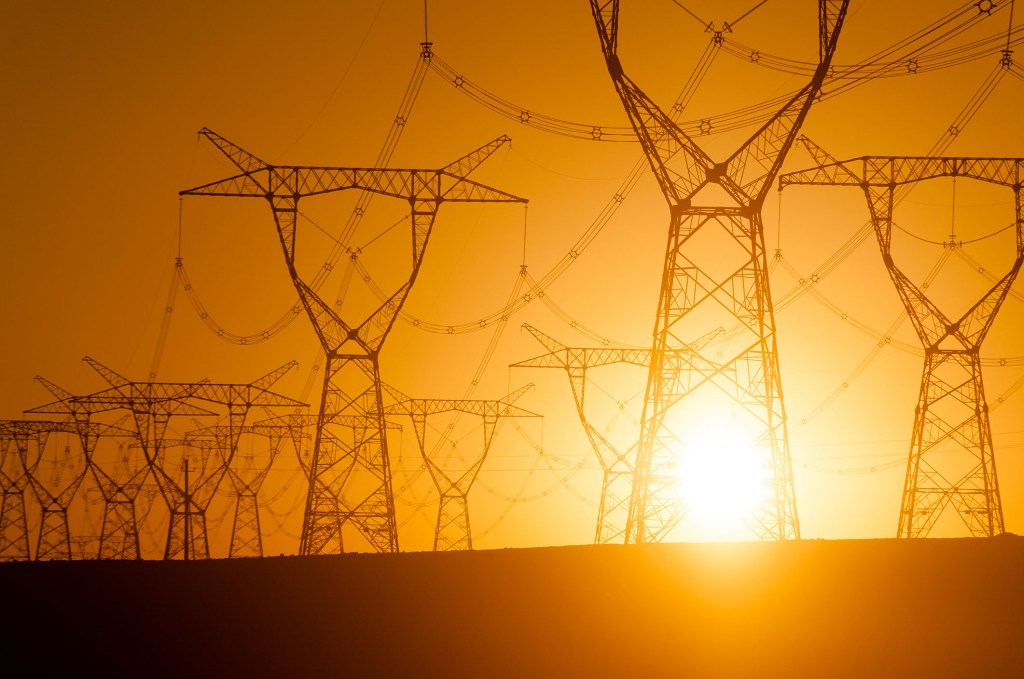
The increasing demand for electricity, particularly from a booming data center industry, is placing significant strain on the United States' largest electrical grid, PJM Interconnection.
This followed a failed auction to secure additional generating capacity, PJM has announced plans to implement power curtailments for data centers and other substantial energy consumers during periods of power scarcity.
This critical decision underscores the challenges grid operators face in keeping pace with the rapid expansion of data center infrastructure, which is projected to quadruple its electricity consumption by 2035 compared to current levels.
The curtailment program, set to commence in June 2027, will specifically target data centers consuming 50 megawatts or more.
This initiative mirrors existing demand response programs that have successfully operated for decades, typically involving large industrial users like manufacturers.
Under these programs, affected customers, including the data centers, will receive compensation for the power cuts.
Furthermore, these users are usually provided with advance notice of impending curtailments, with warning periods ranging from 30 minutes to several days, depending on demand forecasts and grid conditions.
This impending policy shift is expected to prompt many new data centers, and potentially some existing ones, to invest in and establish their own on-site power generation capabilities.
For those that do not, the reliance on backup generators, primarily diesel-fueled, is likely to increase.
While diesel generators offer the advantages of widespread fuel availability and on-site storage, they are generally more expensive to operate and tend to be more environmentally polluting than grid-supplied power.
Federal regulations currently permit the use of such generators for up to 50 hours annually for demand response events and up to 100 hours per year for emergencies or maintenance.
The environmental implications of this reliance on backup power have already sparked controversy.
Recently, Vantage Data Centers faced scrutiny for its alleged collaboration with Virginia environmental regulators to discredit a report.
This report had suggested that diesel backup generators associated with a 96-megawatt data center in Northern Virginia could contribute to tens of millions of dollars in annual health damages for nearby residents.
PJM Interconnection itself has drawn criticism in recent months regarding its management of both new generating capacity and the integration of large new users, including the burgeoning data center sector.
The grid operator's extensive territory spans from Virginia to Illinois, serving a vast customer base of 67 million.
Compounding these issues, wholesale electricity prices have nearly doubled over the past year.
PJM's independent market monitor has explicitly attributed a significant portion of this price escalation to the escalating demands of data centers, highlighting the multifaceted challenges facing the U.S. electrical infrastructure.