Piracy Is Draining Nigeria's Film Industry of 70% of Its Revenue. Can Nigeria's New Crackdown Actually Stop It?
Nigeria’s new anti-piracy plan promises stronger coordination, but can enforcement protect filmmakers, reduce losses, and make legitimate Nigerian films easier to access?
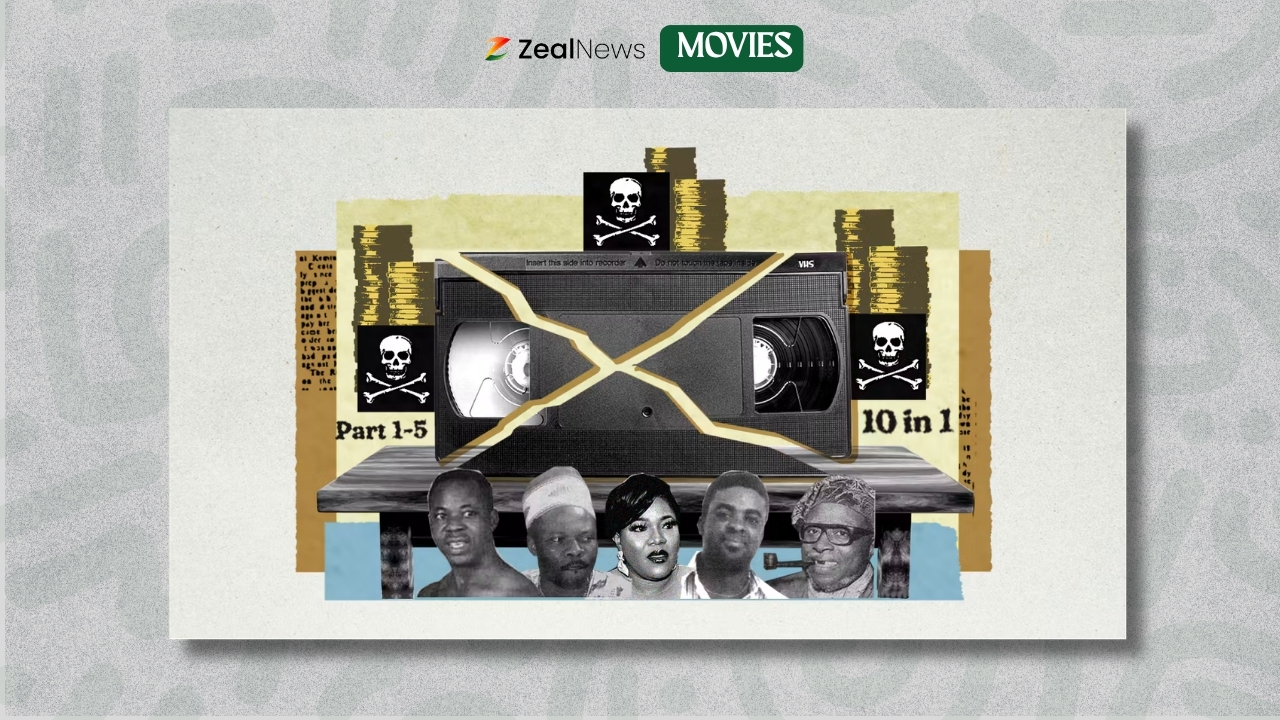
A Nigerian filmmaker can spend months writing, shooting, editing, and promoting a film, only to discover that the work has appeared on a pirate platform before the legitimate audience has even settled into watching it.
That is the uncomfortable reality behind the Federal Government’s claim that piracy takes about 70 per cent of the revenue that should reach Nigeria’s film industry each year. The figure has not been independently verified, so it should be treated as a government estimate, not a precise industry audit.
But whether the loss is 70 per cent or something lower, the underlying problem is difficult to dismiss: piracy does not simply steal a movie; it takes money from a chain that includes producers, actors, writers, editors, cinematographers, distributors and investors, and when that chain repeatedly loses revenue, making the next film becomes harder.
Nigeria Has Been Fighting Piracy for Years
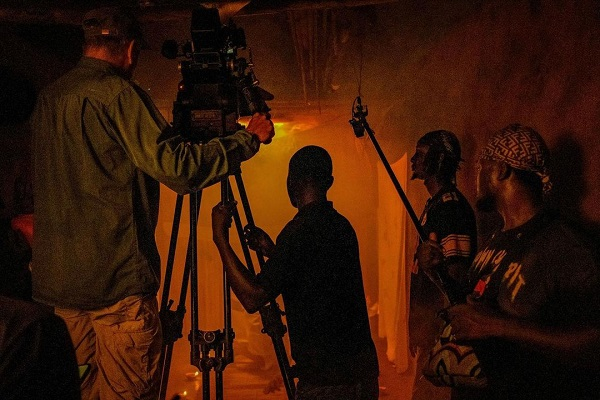
The proposed Abuja Copyright Action Plan is not Nigeria’s first attempt to fight piracy. The Copyright Act 2022 already strengthened the Nigerian Copyright Commission’s powers, including online takedowns, website blocking and technological protection measures.
In 2025, the Commission and Nigeria Internet Registration Association suspended , while several .ng domains linked to unauthorised distribution were also taken offline. Those actions show that enforcement can disrupt pirate operations, but they also reveal the problem: pirate websites can use mirror or replacement domains and move content quickly.
The industry has seen this cycle before in a different form. Nollywood once fought copied VCDs and DVDs in markets; now the pirate’s storefront can be a website, social-media account, messaging channel or streaming link. The technology changed, but the question stayed the same: who gets paid when creative work attracts an audience? The Copyright Act 2022 was itself designed to give the Commission stronger digital enforcement tools.
The lesson is not that previous measures were useless, but that piracy keeps changing faster than one enforcement method can handle.

That is why the new plan is interesting. The government is proposing a more coordinated system involving copyright officials, security agencies, telecom operators, internet service providers, digital platforms and rights owners, with faster takedowns, information sharing, lawful domain blocking and clearer responsibilities.
The pattern is familiar: new law, new enforcement drive, new technology, then another wave of piracy. What this proposal promises is not simply another raid; it is an attempt to make the different points of the digital chain work together. The real test, however, will be whether those responsibilities become measurable action rather than another framework that sounds impressive at a seminar.
Filmmakers Cannot Wait for Government to Win This Fight.

There is also a question for the people creating the films. What can filmmakers actually do when a determined pirate can record, upload, copy, and redistribute content at remarkable speed? There is no perfect shield, but creators can make piracy harder and faster to detect by using trusted distribution platforms, controlled screeners, digital watermarking, access restrictions, secure file sharing and clear rights documentation.
They can also monitor search engines, social platforms and known pirate sites, preserve evidence and report infringements quickly instead of discovering the problem months later.
For filmmakers, the proposal should therefore be treated as an opportunity to demand clearer systems, not simply celebrate another plan. Rights owners need to know where to report infringements, how quickly complaints will be handled and what happens after a takedown request.
Industry bodies can share intelligence on repeat offenders, while producers can plan releases around the reality that a film’s first days online may be its most vulnerable period.

Audiences matter too. If legal access is expensive, inconvenient or delayed while a pirated copy is free and immediately available, enforcement is fighting consumer behaviour as much as criminal behaviour. Legitimate platforms therefore need affordable pricing, reliable streaming, easy payment options and sensible release windows. WIPO has also warned that pirate platforms can expose users to cybersecurity threats, including malware and scams.
So, can piracy be completely eradicated? Probably not. Digital piracy is designed to move, adapt, and reappear, which means the more realistic goal is to make it less profitable, less convenient, and more difficult to sustain. The Abuja plan could help if it turns coordination into routine enforcement, but filmmakers and platforms must also build stronger distribution and protection systems.
Nigeria does not need a world without piracy before its creative economy can grow; it needs a market where creating and paying for legitimate content is easier than feeding the people stealing it.